
France Moves Forward with New Nuclear Carrier
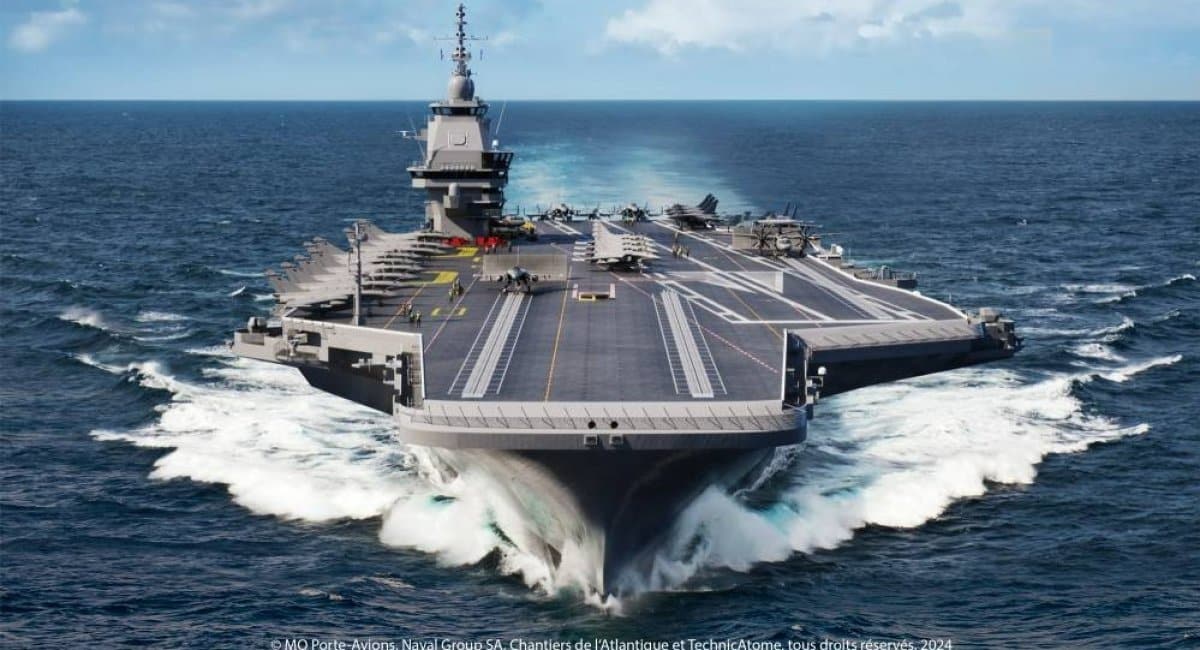
France is set to embark on an ambitious project to construct a new nuclear-powered aircraft carrier, following confirmation from President Emmanuel Macron. This initiative comes as the current flagship, the Charles de Gaulle, is nearing the end of its operational life. While the project promises to bolster France’s naval capabilities, concerns about its hefty price tag and the economic climate loom large.
Details of the New Aircraft Carrier Project
The upcoming aircraft carrier, tentatively named Porte-avions de nouvelle génération (PANG), will mark a significant milestone in French naval history. The Charles de Gaulle, which has served since 2001, is set to remain operational until 2038, but modernization efforts have proven too costly. As a result, the French government has decided to invest in a new vessel that will be larger and more technologically advanced.
PANG is projected to cost around 10 billion euros, a figure that may increase as construction progresses into the next decade. For context, the Charles de Gaulle had an initial cost of 3 billion euros in 2001, which translates to approximately 5 billion euros today. The current economic situation in Europe raises questions about funding, especially as France’s budget approval has been delayed until January. Despite these concerns, Macron argues that the project will stimulate the French economy, creating jobs for around 800 suppliers, predominantly small and medium-sized enterprises.
HD KSOE’s nuclear powered box ship notches up another approval
Construction of PANG is expected to begin in 2031, with detailed design work commencing soon. The new carrier will be approximately 310 meters long and will accommodate over 2,000 personnel. It will feature cutting-edge technology, including electromagnetic catapults, and will be capable of deploying both the current Dassault Rafale fighter jets and the future sixth-generation European fighter currently under development.
Strategic Implications and Economic Considerations
The PANG project represents a significant investment in France’s military capabilities and its position within NATO. Once completed, it will serve as a crucial asset for both national defense and international operations. However, the financial implications of such a large-scale project cannot be overlooked. Critics have already begun to voice concerns about the feasibility of the project, suggesting it may be prudent to reconsider its scope or delay its initiation.
As France navigates these challenges, the government remains committed to advancing the PANG initiative. The project not only aims to enhance military readiness but also seeks to foster innovation and technological development within the French defense industry. By integrating new technologies and providing opportunities for a new generation of engineers, PANG could redefine France’s naval capabilities for decades to come.
While the PANG aircraft carrier project promises to elevate France’s naval power, it also faces significant financial scrutiny and economic challenges. The coming years will be critical in determining whether this ambitious plan can be realized without compromising the nation’s economic stability.
