
Gard Warns of Risks Associated with Nickel Ore Shipments from the Philippines
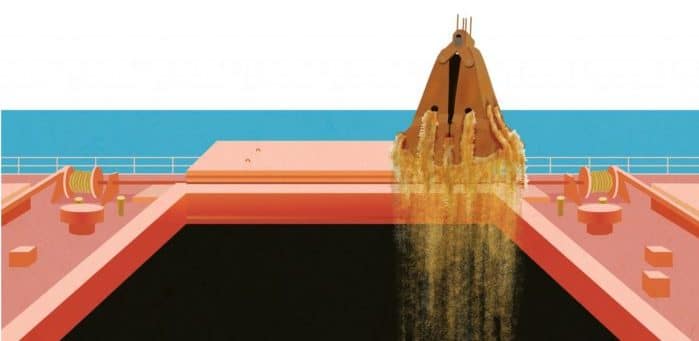
Gard, a leading marine insurance provider, has issued a critical alert regarding the dangers of transporting nickel ore, particularly from the Philippines. This warning follows a recent tragic incident where a bulk carrier capsized and sank while carrying nickel ore, resulting in the loss of crew members. Although the exact cause of the incident remains under investigation, it underscores the ongoing safety concerns associated with nickel ore shipments from this region.
The liquefaction of mineral ores, which can lead to cargo shift and loss of stability, has been a persistent issue in maritime safety. According to Intercargo’s ‘Bulk Carrier Casualty Report 2015-2024’, the loading and transportation of nickel ore from the Philippines have consistently posed significant risks. Despite the last major casualty linked to cargo liquefaction occurring in 2019, the recent tragedy serves as a stark reminder of the ongoing threats to crew safety and the integrity of bulk vessels carrying Group A cargoes worldwide.
Gard’s alert highlights that many shipments are loaded in dangerously wet conditions, primarily due to systemic misdeclarations and poor moisture management practices by shippers. The organization emphasizes the need for heightened awareness and caution when dealing with nickel ore cargoes, particularly in light of the recent incident.
Challenges in Nickel Ore Shipment Practices
A detailed report from Gard’s correspondent, Pandiman, outlines several critical issues surrounding nickel ore shipments from the Philippines. The country has 14 active nickel ore mining areas, with Gutalac Zamboanga being a recent loading site for the ill-fated bulk carrier. Surigao and its surrounding islands are noted as the most active loading regions, where several vessels have previously encountered grounding incidents.
Concerns have been raised regarding the reliability of loading certificates issued by local mines. Independent analyses often reveal discrepancies between the moisture content and Flow Moisture Point (FMP) reported by mining companies and those determined by independent laboratories. This inconsistency raises questions about compliance with the International Maritime Solid Bulk Cargoes (IMSBC) Code.
Infrastructure issues further complicate the situation. Many mines stockpile nickel ore in open areas near the foreshore, lacking dedicated jetties or port facilities. Loading operations typically occur offshore using uncovered barges, exposing the ore to environmental elements. Additionally, changing climate patterns have blurred the lines between dry and wet seasons, leading to increased rainfall and wet cargo conditions.
Access to mining sites and laboratories is often restricted, limiting opportunities for independent verification of cargo safety. In some instances, vessels have had to withdraw from loading due to the inability to confirm the cargo’s compliance with safety standards.
Case Study Highlights Risks of Liquefaction
Gard recently managed a case involving a charterer client where nickel ore liquefied in the vessel’s holds shortly after departing Surigao for China. Fortunately, the vessel reached a port of refuge in the Philippines. Investigations revealed that the shipper’s documentation, including the Shipper’s Declaration and moisture content certificates, was inaccurate. All certificates had been prepared solely by the mining company, raising concerns about their validity.
The case also highlighted problematic clauses in charterparty agreements that attempted to shift safety responsibilities from shippers to vessel owners and crews. Such clauses contradict the IMSBC Code and can jeopardize the safety of the ship and its crew.
Gard advises shipowners and charterers to carefully review their charterparty terms to avoid incorporating similar clauses that undermine safety obligations. It is recommended that charterparties include BIMCO’s ‘Solid Bulk Cargoes that Can Liquefy Clause for Charter Parties 2012’ to ensure compliance with safety standards.
Members are reminded of the mandatory notification requirements when planning to load nickel ore from the Philippines or Indonesia. Gard’s geofencing alerts are designed to support members by highlighting risks associated with liquefiable cargoes and recommending precautions to mitigate these risks.
