
Government Proposes Licensing Changes for Foreign Vessels
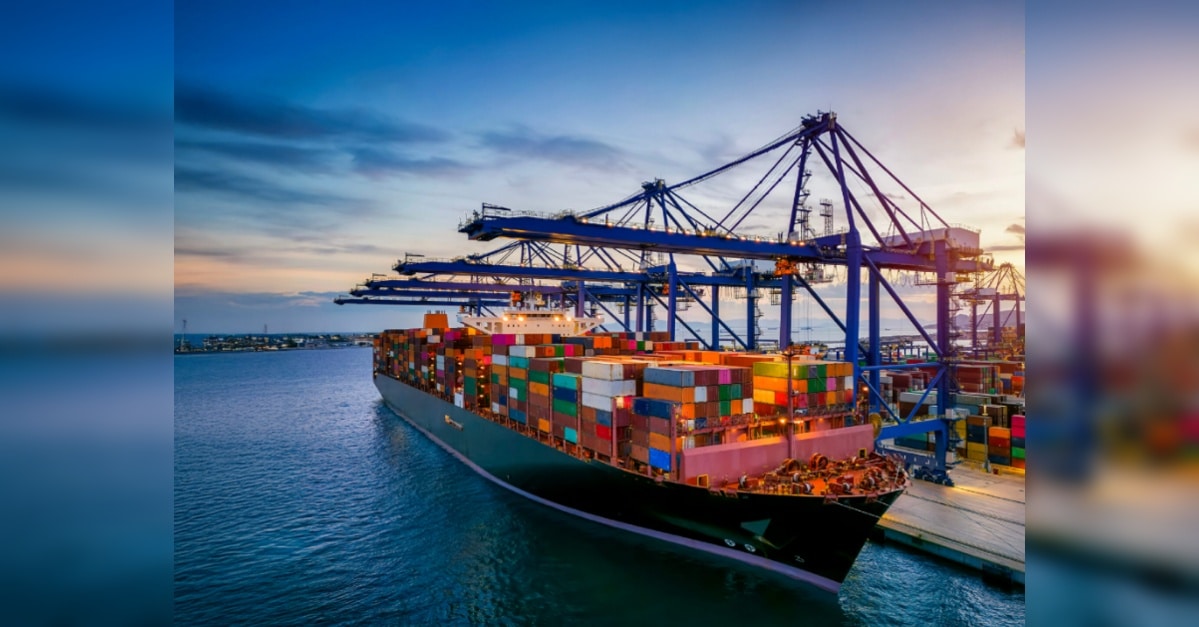
The Central government is nearing the finalization of rules governing the licensing of foreign vessels under the Coastal Shipping Act. In a significant move, the International Financial Services Centres Authority (IFSCA) has requested that entities operating within the tax-free enclave be exempt from obtaining permits from the Directorate General of Shipping when leasing foreign-flagged ships. This change aims to attract more Indian ship operators back to the domestic market.
IFSCA Advocates for Licensing Exemption
The IFSCA has made a compelling case for exempting its entities from the licensing requirements imposed by the Directorate General of Shipping (DGS) when they lease foreign vessels. An official from the IFSCA stated, “Leave IFSC entities out of the licensing requirement. When IFSC entities lease in foreign vessels, they should not be subjected to taking permission from D G Shipping.” This exemption is crucial as it allows these entities to charter foreign-flagged vessels either to Indian companies in the Domestic Tariff Area (DTA), which still require DGS permission, or to overseas entities that do not fall under Indian jurisdiction.
The draft rules for the Coastal Shipping (Licensing of Foreign Vessels) Rules 2026 were notified by the Central government on December 19, 2025. According to the draft, foreign flag vessels are prohibited from engaging in coasting trade within India’s coastal waters without a license from the DGS. The Coastal Shipping Act governs both India’s export-import trade and its coastal shipping activities. The Act stipulates that no foreign flag vessel can be taken to sea from an Indian port without the necessary licensing, which has raised concerns among ship operators about the complexities of compliance.
The IFSCA believes that relaxing these licensing requirements will not undermine the Right of First Refusal (RoFR) policy, which supports domestic fleet owners during public tenders. The authority has assured stakeholders that the RoFR policy will remain intact, emphasizing that IFSC-registered entities can only charter foreign vessels on a time charter basis and cannot engage in voyage charters under the current framework.
Impact on Indian Shipping Industry
The Indian shipping industry faces challenges due to a limited number of domestic ship owners, particularly in the tanker segment. An official noted that with only 3-4 Indian ship owners operating in this area, approximately 90% of the benefits from the RoFR policy inadvertently favor foreign-flagged ships. This situation has deterred foreign investment in Indian shipping, as navigating the Foreign Exchange Management Act (FEMA) can be cumbersome for foreign entities operating in the DTA.
The IFSCA argues that creating a more favorable environment for foreign ship operators is essential for revitalizing the Indian shipping sector. The authority has highlighted that many Indian operators and capital have relocated overseas due to stringent licensing requirements. By establishing a FEMA-free zone in the IFSC, the government aims to attract these operators back to India, allowing them to operate without the burdensome licensing process.
The government’s recent stakeholder meetings have indicated a willingness to streamline the licensing process, particularly for entities engaged in international business. The proposed changes are expected to facilitate smoother operations for ship operators who charter vessels for international trade, thereby enhancing the competitiveness of the Indian shipping industry.
The proposed licensing changes under the Coastal Shipping Act represent a significant shift in the regulatory landscape for foreign vessels in India. By easing restrictions for IFSC entities, the government hopes to stimulate growth in the domestic shipping sector and attract back Indian operators who have sought more favorable conditions abroad.
