
Indian Govt allows for Chartering Foreign-Flag Ships
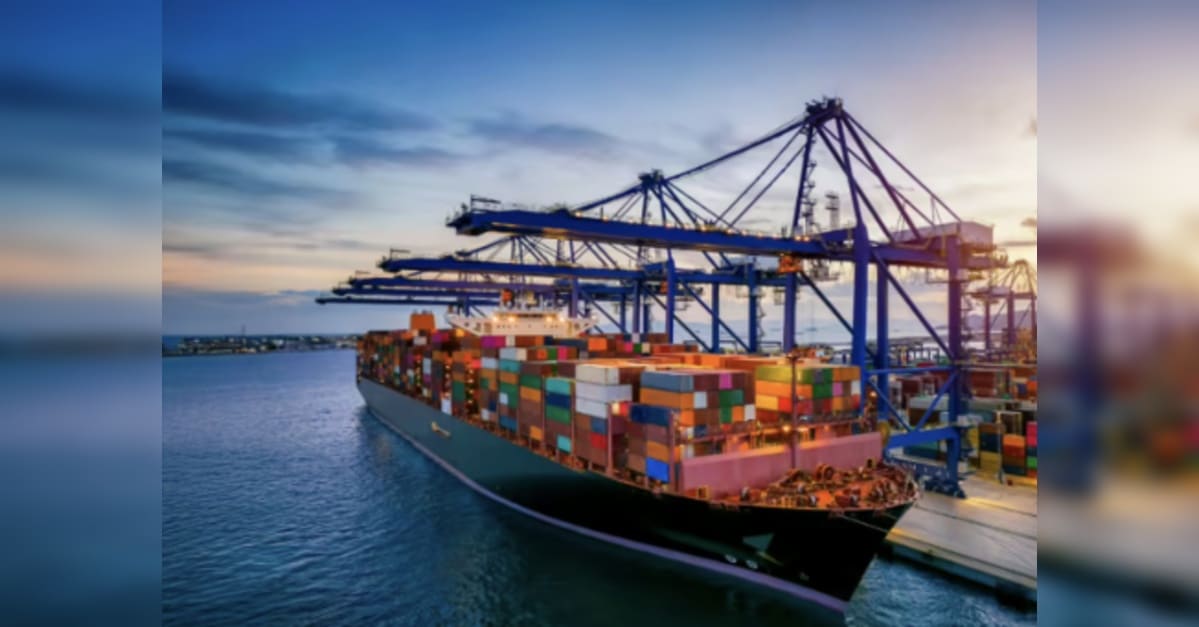
In a significant regulatory shift, the Ministry of Ports, Shipping and Waterways has announced the repeal of a 1963 notification that exempted certain Indian entities from securing a general trading license to charter foreign flag ships. This decision aims to streamline operations under the new Coastal Shipping Act 2025, which seeks to enhance coastal shipping and reduce compliance burdens for Indian flag vessels. The move is expected to reshape the landscape of maritime trade in India.
Revocation of Outdated Notification
The government’s decision to scrap the 1963 gazette notification comes as part of its efforts to implement the Coastal Shipping Act 2025 effectively. This Act, which separates coastal shipping regulations from the Merchant Shipping Act of 1958, aims to facilitate focused policy-making and promote Indian shipping. The original notification allowed Indian entities to charter foreign flag ships without a license, leading to potential legal conflicts with the new regulations.
Officials noted that the outdated notification had been exploited by some Indian companies, enabling them to charter over 800 foreign ships annually without obtaining necessary licenses or approvals. This practice not only contravened local shipping laws but also posed challenges for the government in enforcing the new Coastal Shipping Act. The repeal of this notification is expected to ensure that all foreign flag vessels chartered by Indian entities comply with licensing requirements, thereby enhancing regulatory oversight.
The Coastal Shipping Act mandates that any foreign flag vessel engaged in the coasting trade of India must secure a license from the Director General of Shipping. This requirement aims to ensure safety and compliance with international maritime standards. While Indian flag ships are now exempt from licensing for coastal operations, foreign flag vessels will still need to adhere to these regulations, which some industry stakeholders believe may increase operational costs and affect competitiveness in global markets.
Industry Reactions and Future Implications
The introduction of the Coastal Shipping Act has sparked mixed reactions among industry players. While the government argues that the new regulations will streamline operations and enhance safety, many exporters and importers express concerns about the increased costs associated with licensing requirements for foreign flag ships. Critics argue that the stringent controls could hinder the ability of Indian entities to compete effectively in international markets.
Industry executives have voiced apprehensions that the licensing conditions may deter ship owners from booking vessels, potentially leading to higher freight costs. The steel industry, in particular, has raised alarms over the implications for pricing and competitiveness, given that India currently controls a mere fraction of the global shipping fleet. The government’s push for a robust national shipping fleet is seen as a long-term strategy to mitigate reliance on foreign vessels, especially in light of geopolitical uncertainties.
Furthermore, the International Financial Services Centres Authority has urged the Ministry to reconsider licensing requirements for companies operating from special economic zones, arguing that such regulations could stifle international trade opportunities. As the government navigates these complex challenges, the future of India’s shipping industry remains uncertain, with stakeholders closely monitoring the impact of the Coastal Shipping Act on operational dynamics and global competitiveness.
