
Great Eastern Shipping Welcomes New Medium Range Tanker ‘Jag Pranesh’
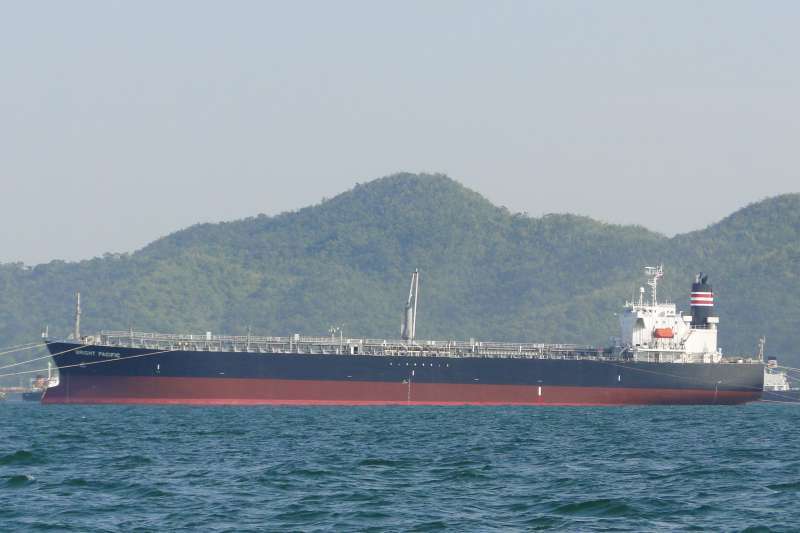
The Great Eastern Shipping Company Limited (GE Shipping) has successfully taken delivery of the Medium Range Tanker “Jag Pranesh,” a vessel built in South Korea in 2013. The delivery occurred on February 24, 2026, following a purchase agreement made in the third quarter of FY26. This acquisition was financed entirely through the company’s internal accruals, showcasing GE Shipping’s robust financial health and commitment to expanding its fleet.
With the addition of “Jag Pranesh,” GE Shipping’s owned fleet now comprises 41 vessels. This includes 27 tankers—five crude tankers, 17 product tankers, and five LPG carriers—alongside 14 dry bulk carriers, which consist of two Capesize, nine Kamsarmax, one Ultramax, and two Supramax vessels. The total deadweight tonnage (dwt) of the fleet stands at an impressive 3.25 million dwt, with the company achieving nearly 100% capacity utilization. This strategic expansion reflects GE Shipping’s ongoing efforts to enhance its operational capabilities in the maritime industry.
Great Eastern Shipping Expands Fleet with New Tanker Acquisition
Stock Performance and Future Transactions
In addition to the recent delivery, GE Shipping has also announced plans to sell one of its Very Large Gas Carriers, “Jag Vishnu.” This sale is anticipated to be finalized in the fourth quarter of FY26, further optimizing the company’s fleet composition and operational efficiency.
On the stock market, shares of The Great Eastern Shipping Company Limited were last recorded trading at Rs. 1299.45 on the Bombay Stock Exchange (BSE), marking an increase from the previous close of Rs. 1285.65. During the trading session, a total of 5,663 shares changed hands across 442 trades. The stock reached an intraday high of Rs. 1317.30 and a low of Rs. 1286.85, with a net turnover of Rs. 7,395,330.00 for the day. This performance indicates a positive market response to the company’s recent developments and strategic initiatives.
As GE Shipping continues to expand its fleet and optimize its operations, stakeholders will be keenly watching how these changes impact the company’s market position and overall performance in the maritime sector.
