
Increased Border Scrutiny Sparks Controversy Between Canada and U.S.
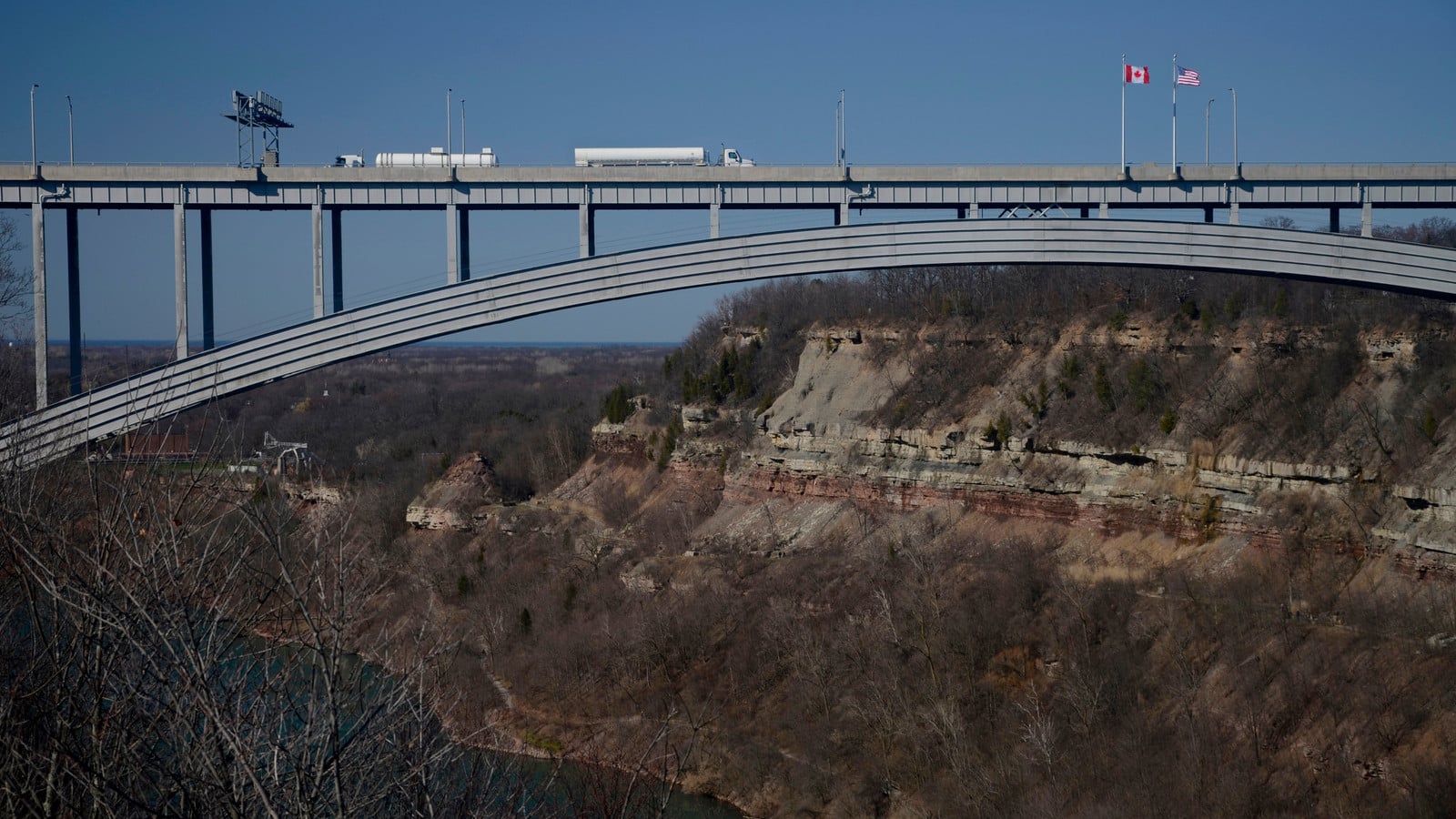
Tensions are rising at the Canada-U.S. border as both nations tighten their scrutiny of cross-border activities. Recent incidents, including the denial of entry to American musician Charlet Crockett due to a past conviction, highlight the growing enforcement measures. Meanwhile, Canadian communities are advocating for stricter regulations on American fishing guides operating in Canadian waters, raising concerns about economic impacts and sustainability.
Calls for Enhanced Border Security in Ontario’s Fishing Areas
In response to a surge in American fishing guides operating in Canadian waters, a coalition of businesses and community stakeholders in northwestern Ontario is urging the Canadian government to bolster border security. The group emphasizes that while U.S. angling guides are required to obtain work permits, non-resident anglers can fish without checking in at border offices or acquiring permits, provided they do not dock or land in Canada.
The coalition’s media release states, “Over recent years, there has been a steady increase in the number of U.S. resident angling guides bringing U.S. anglers into Canadian waters.” They argue that this loophole undermines local economies and threatens the sustainability of Canadian fisheries. The group is advocating for all non-residents to pass through Canadian Border Services Agency (CBSA) checkpoints before fishing in Canadian waters.
Additionally, they are calling for an increased presence of CBSA and Royal Canadian Mounted Police (RCMP) on lakes to ensure compliance with regulations. The group also expressed frustration that many American anglers choose to return to U.S. accommodations after fishing, contributing little to the local economy while benefiting from Canadian resources.
American Anglers Exploit Loopholes, Impact Local Economy
The ongoing situation has raised concerns among Canadian stakeholders about the economic implications of American anglers fishing in their waters while opting for U.S. accommodations. Laurie Marcil, executive director of the Northern Ontario Tourist Outfitters Association, pointed out that these anglers are not contributing to the local economy. “Americans are really not bringing anything into the local economy here, but they’re definitely taking home lots of fish,” she stated.
Marcil emphasized that the goal is not to exclude American anglers but to ensure that all visitors adhere to the same regulations. Many lodges in northwestern Ontario rely heavily on U.S. clientele, and it is crucial for their guests to follow the same processes as Canadian visitors. The call for stricter regulations aims to create a level playing field for all anglers and to encourage American visitors to stay in Canada, thereby supporting local businesses.
Border Guards rescue 5 Saudis after their marine vessel runs aground
In addition to increased border enforcement, the coalition is also advocating for potential fines and fees for American guides who do not comply with Canadian regulations. This move is seen as a necessary step to protect Canadian resources and ensure that local economies benefit from the tourism generated by fishing activities.
Canadians Face Harsh Scrutiny in U.S. Waters
The heightened scrutiny at the border is not one-sided. Canadians have also faced severe consequences for inadvertently crossing into U.S. waters. Last July, Edouard Lallemand, a Quebec resident, was arrested by the U.S. Coast Guard after being accused of fishing in U.S. territory. He was detained for nearly two hours and later fingerprinted by U.S. Customs and Border Protection.
Lallemand’s experience serves as a stark reminder of the strict enforcement measures in place. He recounted the incident, stating, “I’m never going to be the same.” The U.S. Coast Guard reported that Lallemand’s vessel collided with their response boat during the incident, leading to a capsizing that put him in the water.
As border restrictions tighten, both Canadians and Americans are navigating a complex landscape of regulations that impact their recreational activities and local economies. The ongoing dialogue between communities and governments will be crucial in finding a balanced approach to border security and resource management.
