
Iran Closes Strait of Hormuz Amid Rising Tensions
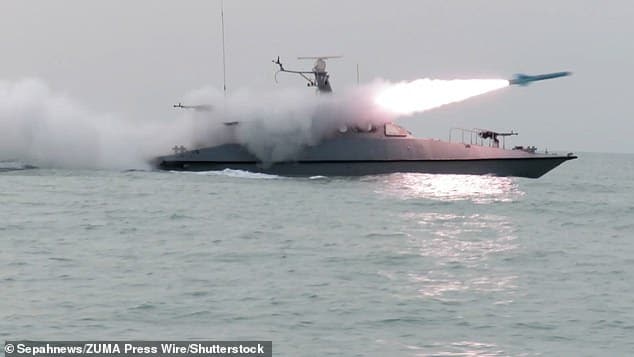
In a significant escalation of military posturing, Iran has temporarily closed parts of the Strait of Hormuz for a military drill, coinciding with a notable increase in U.S. military presence in the Arabian Sea. This rare closure serves as a stark warning to the international community, particularly in light of potential U.S. military actions against Iran. The Strait of Hormuz is a crucial maritime route, with approximately 20% of the world’s oil passing through it.
Military Drills and Strategic Implications
The Iranian military conducted live-fire exercises in the Strait of Hormuz, which has raised concerns about the implications for global oil markets and regional stability. This closure marks an unprecedented move by Tehran, signaling the potential economic fallout if tensions with the U.S. escalate further. Historically, Iran has threatened to disrupt shipping in the strait during periods of heightened conflict, but such a complete shutdown has not occurred since the 1980s.
Iran’s military drills, dubbed “Smart Control of the Strait of Hormuz,” included missile tests that reportedly struck targets within the waterway. Iranian media indicated that the closure would last several hours for “safety and maritime concerns.” The U.S. Central Command has not commented on the closure but has previously warned Iran against unsafe actions near U.S. forces and commercial vessels. The U.S. military has emphasized that any aggressive behavior could lead to increased risks of collision and destabilization in the region.
The Strait of Hormuz, a vital waterway approximately 21 miles wide at its narrowest point, connects the Persian Gulf to the Gulf of Oman. It is a critical route for oil tankers from several Gulf nations, including Saudi Arabia and Iraq, with most shipments destined for Asian markets. While alternative pipelines exist, the U.S. Energy Information Administration notes that many shipments rely on this strait for transit.
Escalating Tensions and Diplomatic Efforts
The recent military exercises come amid escalating tensions between the U.S. and Iran, particularly following U.S. President Donald Trump’s threats of military action in response to Iran’s crackdown on anti-government protests. The U.S. has bolstered its military presence in the region, deploying the USS Abraham Lincoln aircraft carrier and other naval assets. Trump has also ordered the USS Gerald R. Ford, the largest aircraft carrier, to join the forces in the Middle East.
Iran has responded with warnings of potential preemptive strikes against U.S. interests in the region. Supreme Leader Ayatollah Ali Khamenei cautioned that the U.S. military could face significant consequences if tensions escalate further. Meanwhile, diplomatic efforts continue, with indirect negotiations regarding Iran’s nuclear program taking place in Geneva. However, both sides have acknowledged that substantial differences remain, complicating the path to a comprehensive agreement.
As the situation develops, the international community watches closely, aware that any disruption in the Strait of Hormuz could have far-reaching implications for global energy markets and geopolitical stability.
