
Iran’s Oil Exports Dip Amid Rising Enforcement
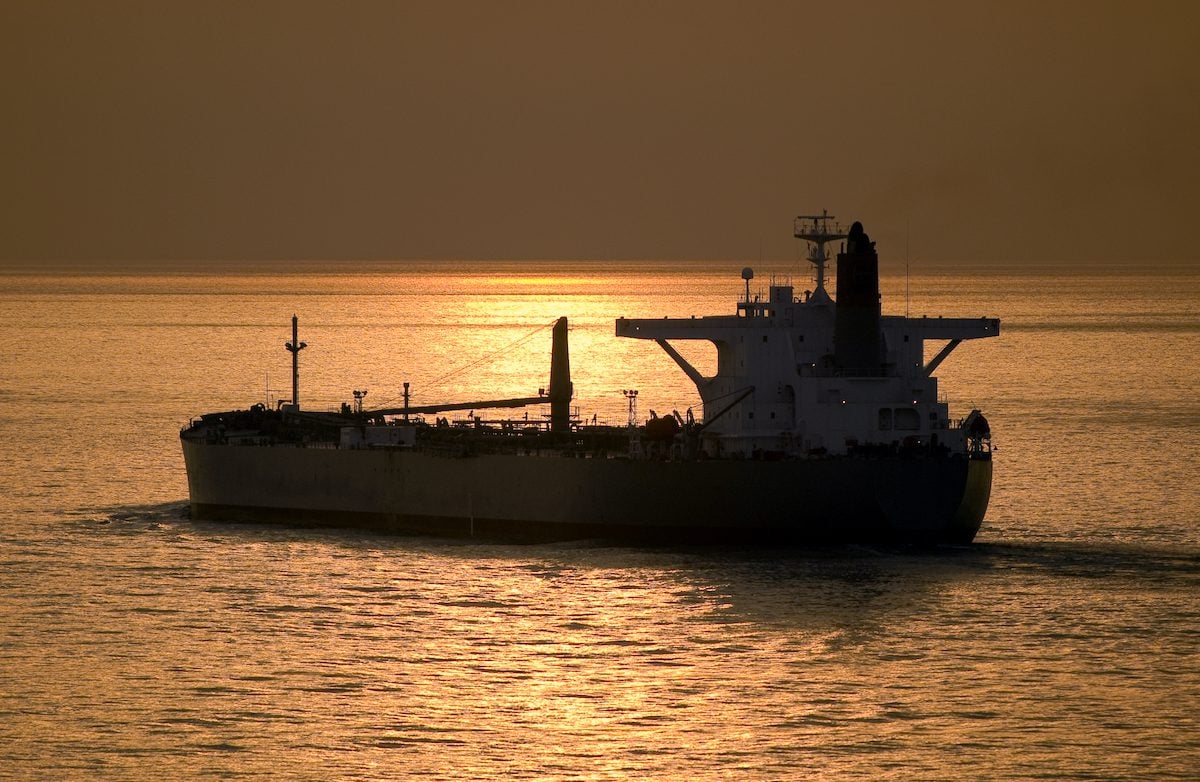
Iran’s oil exports saw a slight decline in January 2026, dropping to an estimated 46.9 million barrels, or about 1.51 million barrels per day. This decrease of roughly 3% from December’s figures does not indicate improved compliance with international sanctions. Instead, it highlights the resilience of Iran’s illicit oil trade, which remains heavily reliant on China and faces increasing scrutiny from U.S. enforcement efforts.
Resilience of the Illicit Oil Trade
Despite the modest dip in oil exports, Iran’s ability to evade sanctions remains robust. The data compiled by United Against Nuclear Iran (UANI) reveals that the majority of January’s oil shipments were directed to China, with smaller amounts funneled through the UAE and other intermediaries. Malaysia has emerged as a critical transshipment hub, facilitating the movement of Iranian crude through a network of aging tankers that employ tactics such as AIS manipulation and frequent flag changes to obscure their activities.
The ongoing enforcement pressure from the U.S. has intensified, particularly following actions against vessels linked to Venezuela. U.S. authorities have demonstrated a willingness to act beyond traditional boundaries, conducting boardings and seizures in waters near allied nations, including the UK. This shift in enforcement strategy sends a clear message to operators within the dark fleet ecosystem: geographical advantages are diminishing, and the risks of operating in the international maritime system are increasing.
UANI Senior Advisor Charlie Brown emphasized the global nature of sanctions enforcement, warning that Malaysia could become a focal point for international scrutiny if illicit activities continue unchecked. The overlapping networks of vessels and brokers involved in both Iranian and Venezuelan oil trades suggest that the recent decline in export volumes may reflect heightened operational caution rather than a genuine reduction in illicit activity.
Malaysia’s Role and Growing Risks
January 2026 also saw a significant concentration of Iranian crude staged offshore near Johor, Malaysia. At one point, approximately 60 dark fleet tankers were observed in the area, preparing for ship-to-ship transfers before sending their cargoes to China. This operational pattern indicates a sophisticated laundering operation that operates with minimal interference, even as enforcement pressures mount elsewhere.
However, this concentration of illicit activity poses risks not only for Iran’s customers but also for Malaysia itself. The continued tolerance of dark fleet operations exposes local ports and service providers to potential secondary sanctions. Additionally, the aging and poorly maintained tankers involved raise significant safety and environmental concerns, as any incident in the congested waters off Johor could have immediate regional repercussions.
Geopolitical tensions further complicate the situation. The recent deployment of a U.S. aircraft carrier to the Middle East, coupled with internal unrest in Iran, suggests a heightened readiness to disrupt Iranian maritime activities. Historically, such moments of instability have led to increased enforcement actions, which could further impact Iran’s oil trade.
