
Kursk Submarine Disaster: A Tragic Legacy
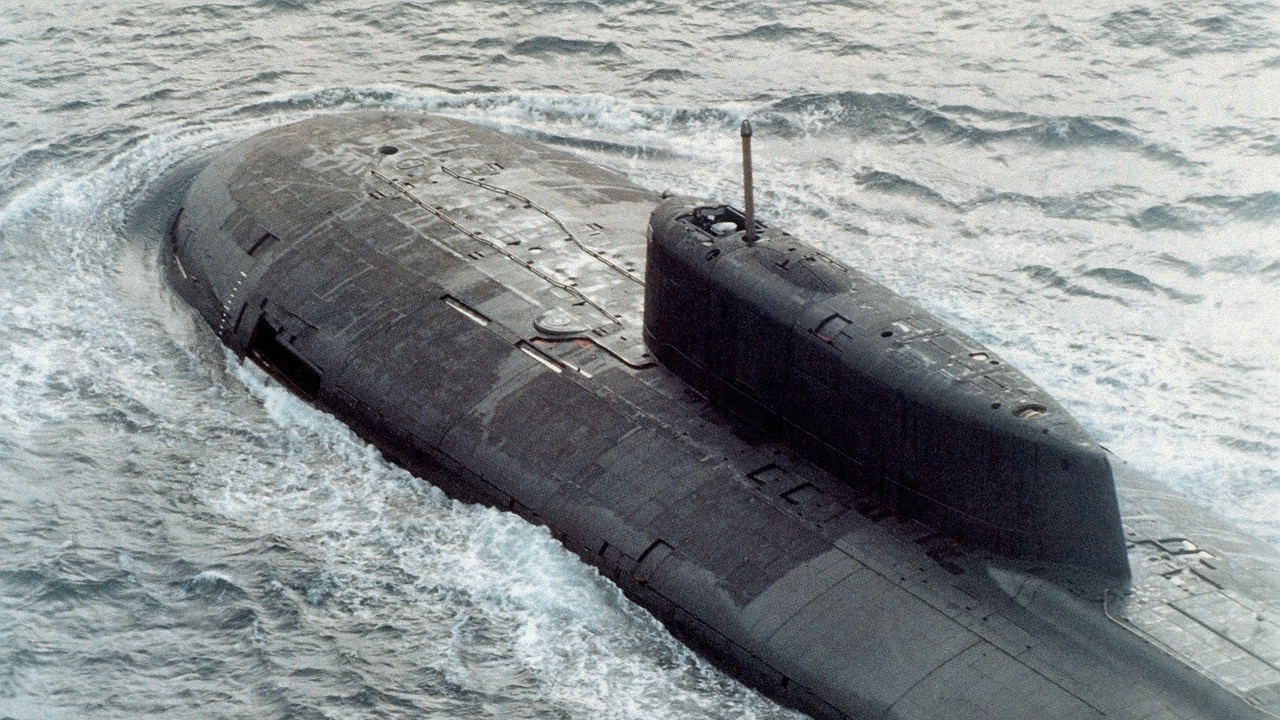
The sinking of the Russian nuclear submarine Kursk in August 2000 resulted in the tragic loss of all 118 crew members, marking a pivotal moment in the early years of Vladimir Putin’s presidency. Investigations revealed that a torpedo malfunction triggered catastrophic explosions, yet Russian officials initially deflected blame, suggesting foreign involvement. The slow response to the disaster and refusal of foreign assistance highlighted systemic failures in Russia’s military and crisis management.
Details of the Kursk Incident
On August 12, 2000, the Kursk was participating in a significant naval exercise in the Barents Sea, which involved over 50 ships and submarines. The submarine, part of the Oscar II-class, was known for its advanced capabilities and was armed with a variety of weapons, including cruise missiles. During a scheduled torpedo training launch, a faulty torpedo detonated, causing a series of explosions that ultimately sank the vessel.
Seismic sensors detected two significant explosions shortly after the torpedo was loaded. The first registered a magnitude of 2.2, while the second, measuring 4.2, was felt across northern Europe and even reached as far as Alaska. Despite these alarming seismic events, the Russian Navy did not initiate a search-and-rescue operation until hours later. Admiral Vyacheslav Popov, the commander of the Northern Fleet, continued to promote the naval exercise as a success, neglecting to address the missing submarine.
It wasn’t until the following morning that President Putin was informed of the incident. By then, the Kursk had already sunk to a depth of 354 feet, and the chances of survival for any crew members were rapidly diminishing. A note found later from one of the officers indicated the dire situation inside the submarine, revealing a desperate plea for help.
Failures in Crisis Management and Propaganda
The Russian government’s response to the Kursk disaster was marred by poor decision-making and a refusal to accept international assistance. Offers of help from the United States, the United Kingdom, and several other nations were declined, with Russian officials claiming that rescue efforts were impossible due to adverse weather conditions. It was only four days after the sinking that Norway was allowed to assist, but by then, it was too late for any potential survivors.
In the aftermath, Admiral Popov attempted to shift blame for the disaster onto a supposed collision with a U.S. submarine, despite lacking any evidence to support this claim. President Putin also propagated theories of foreign involvement, suggesting that American missiles had attacked the Kursk. This incident marked a turning point in Russian media control, as the government began to manipulate narratives surrounding the tragedy to deflect responsibility.
Ultimately, the Kursk disaster exposed significant flaws in Russia’s military safety protocols and crisis management strategies. The tragedy not only resulted in the loss of lives but also shaped the political landscape in Russia for years to come, as the government sought to control the narrative surrounding the incident and its implications.
