
Maritime Threats Surge in Western Indian Ocean
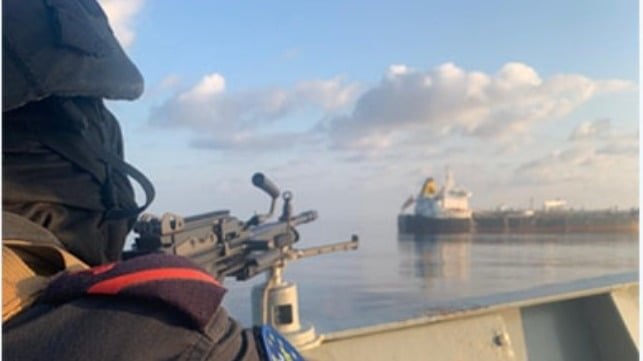
The Western Indian Ocean (WIO) is grappling with escalating maritime threats, particularly as piracy resurfaces along the Somali coastline. A recent attack on the Maltese-flagged tanker Hellas Aphrodite off Puntland’s coast highlights the growing insecurity. According to a report from the UN Economic Commission for Africa (ECA), these maritime challenges are costing the region an estimated $1.1 billion annually, significantly impacting the potential of its blue economy.
Economic Impact of Maritime Insecurity
The ECA report emphasizes that maritime insecurity is a critical barrier to the growth of ocean-based industries in the WIO. The estimated annual loss of $1.1 billion represents about six percent of the region’s gross marine product. The WIO’s natural capital is valued at $330 billion, with blue economy industries contributing approximately $20 billion each year. The report identifies several specific threats, including illegal, unreported, and unregulated (IUU) fishing, which alone costs the region around $245 million annually.
In addition to piracy, the increase in shipping traffic raises the risk of environmental disasters. Such incidents could lead to clean-up costs exceeding $100 million. A notable example is the Wakashio disaster in 2020, where a bulk carrier grounded off Mauritius, spilling about 1,000 metric tons of fuel oil into the ocean. The immediate clean-up expenses were estimated at $50 million, not accounting for the long-term ecological restoration needed at the site.
Despite previous successes in combating piracy, the threat remains persistent. While the peak levels of piracy seen between 2010 and 2012 may not return, the evolving nature of piracy networks continues to pose risks to maritime trade. In 2021, the cost of piracy to the WIO shipping community was approximately $160 million, primarily due to increased insurance premiums and the need for private security measures.
Call for Sustainable Maritime Security Initiatives
Edgard Razafindravahy, Secretary General of the Indian Ocean Commission (IOC), has urged for long-term financial planning to enhance maritime security in the region. He noted that while initiatives like the Regional Maritime Information Fusion Center and the Regional Coordination Operations Center have made progress, they lack the stability needed for sustained impact. “To protect livelihoods, economies, and marine ecosystems, these capabilities should be integrated into national and regional budgets, as well as have data gaps closed,” Razafindravahy stated.
The current security frameworks in the WIO heavily rely on short-term donor funding. Without firm commitments from regional governments, the effectiveness of these initiatives may be limited. A collaborative approach that includes national support is essential for addressing the maritime threats that jeopardize the region’s economic and environmental future.
