
Merchant Marine Fund Approves R$4.38 Billion for Southern Brazil
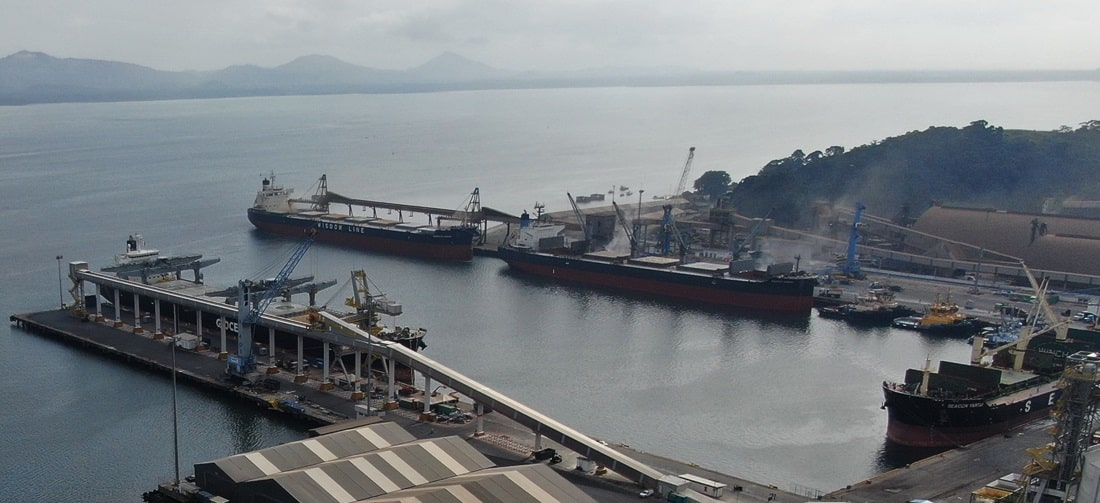
In a significant development, Southern Brazil’s shipbuilding industry and ports have been granted approval for R$4.38 billion from the Merchant Marine Fund during the 64th meeting of its Board of Directors (CDFMM) on October 8. This funding injection is set to drive nine crucial projects across Santa Catarina, Paraná, and Rio Grande do Sul, encompassing vessel construction, shipyard expansion, and port infrastructure works, with an estimated creation of 3,675 direct jobs.
Terminal in Babitonga Bay
The Mar Azul terminal in São Francisco do Sul, Santa Catarina, stands out as the recipient of the largest allocation, amounting to R$1.878 billion. This facility is poised to specialize in handling general cargo, focusing particularly on steel products and fertilizers. The project includes the development of onshore handling and storage areas, along with berthing infrastructure for ships and barge-and-pusher combinations. It is anticipated to generate 1,800 direct jobs, with a completion period of 28 months.
Tugboats and Barges at Santa Catarina Shipyards
Within Santa Catarina, two notable projects are slated for execution at Indústria Naval Catarinense in Navegantes. Sulnorte has secured approval for R$324.87 million to construct six harbor tugboats, with an estimated 720 direct jobs and a completion period of 39 months. Concurrently, Conay is set to receive R$138.8 million for the construction of two container barges, expected to create 200 direct jobs and be completed within 24 months. Notably, these vessels will ply the Paraguay-Paraná Waterway, facilitating container transportation.
In Itajaí, the Detroit shipyard is gearing up to build two tugboats for SAAM Towage Brasil, with a budget of R$108.4 million. This project is projected to yield 100 direct jobs and be finalized in 23 months. The tugboats will be equipped with engines boasting lower carbon dioxide emissions, aligning with eco-friendly practices.
Expansion and Vessel Services at Navship
The Navship shipyard in Navegantes has two approved projects in the pipeline. One project allocates R$128.5 million for the expansion of production facilities, with an estimated 45 direct jobs and a completion period of 20 months. This expansion endeavor encompasses the construction of a ship block assembly building, a blasting and painting booth, handling equipment, and improvements to industrial facilities. Additionally, a project submitted by Bram Offshore totaling R$130.22 million for conversions and dry-docking work involving five vessels has been greenlit. The project foresees the creation of 320 direct jobs and a completion period of seven months.
Port of Paranaguá Access Channel
In Paraná, a substantial allocation of R$1.26 billion has been approved for the Port of Paranaguá access channel concession project. This initiative, estimated to generate 250 direct jobs and be completed in 65 months, encompasses channels, anchorages, turning basins, and berths in Paranaguá Bay. These infrastructural developments play a pivotal role in facilitating the smooth flow of ships to and from cargo loading and unloading facilities.
Pulp Transport on Patos Lagoon
Moving to Rio Grande do Sul, Unes Navegação Brasil has received the green light for a R$383.1 million project aimed at constructing five vessels for transporting pulp and timber on Patos Lagoon. This initiative is expected to create 230 direct jobs and be completed within 34 months. The vessels, to be built at Intecnial’s shipbuilding facility in Taquari, will operate between the new Barba Negra industrial plant in Barra do Ribeiro and the municipalities of Rio Grande and Pelotas.
The approval of these projects signals a promising outlook for the southern Brazilian shipbuilding industry, linking production at local shipyards to the growing demand for cargo transport and handling. Beyond the immediate job creation, these developments are poised to stimulate additional business opportunities for suppliers and service providers, fostering economic growth in the municipalities where construction activities take place.
