
Methanol Emerges as Key Player in Green Shipping
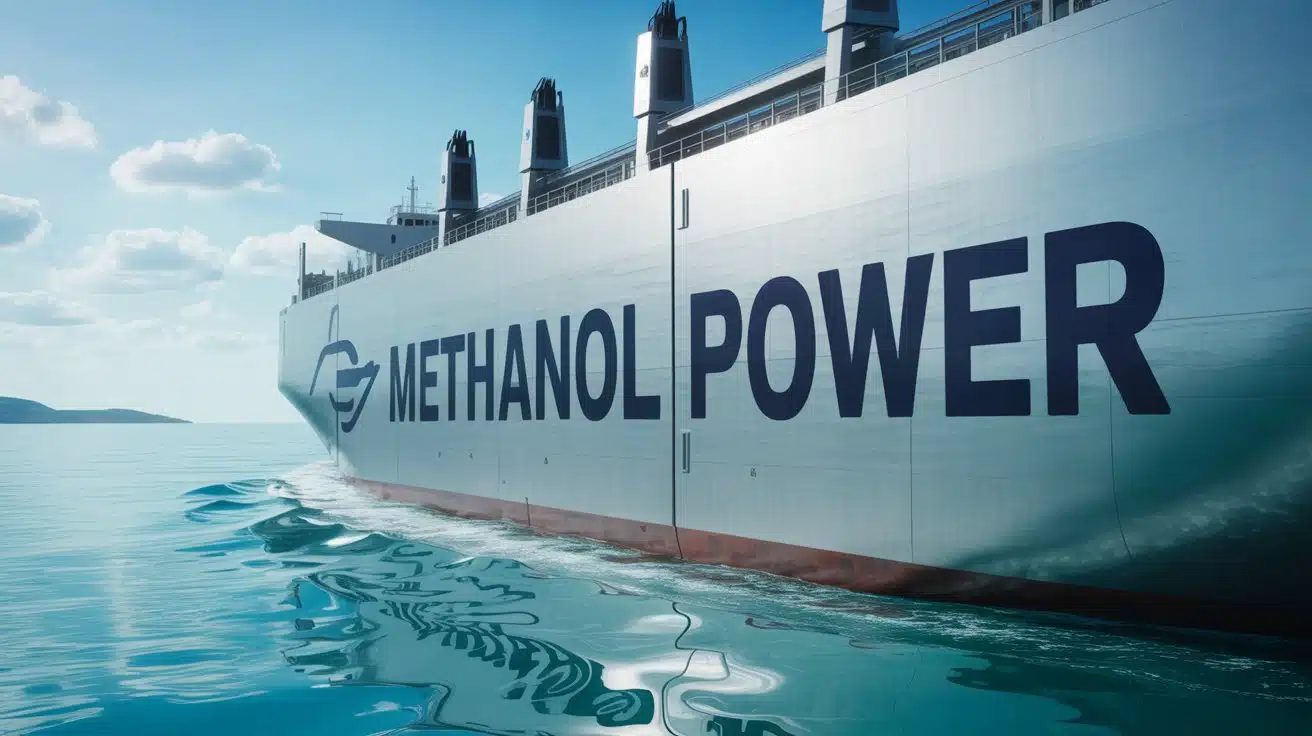
As the shipping industry seeks sustainable alternatives to heavy fuel oil, methanol is gaining traction as a viable option. With a decade-long track record as a marine fuel, methanol offers a solid foundation for future developments. Experts highlight its ease of handling and compliance with environmental regulations, though challenges remain in scaling up low-greenhouse gas (GHG) production.
Advantages and Current Landscape of Methanol Fuel
Methanol’s appeal in the maritime sector stems from its established history and practical benefits. Marius Leisner, a senior consultant at DNV, emphasizes that methanol has a “ten-year track record as a marine fuel,” which instills confidence compared to newer alternatives like ammonia or hydrogen. The fuel’s liquid state simplifies storage, transport, and bunkering, making it a safer choice than gaseous fuels such as LNG, ammonia, and hydrogen.
Historically, the adoption of methanol has been driven by local environmental regulations rather than a global push for carbon reduction. Early adopters utilized methanol to meet stringent sulfur and nitrogen oxide standards, as it is sulfur-free and complies with MARPOL Annex VI SOx regulations. However, while methanol burns cleanly, its conventional form is not a complete solution for greenhouse gas emissions. When derived from fossil sources, its GHG intensity can be higher than that of fuel oil. The future lies in bio-methanol and e-methanol, which can be produced from non-fossil sources with near-zero emissions. Yet, the current uptake of low-GHG methanol remains limited, with most vessels still relying on fossil fuels.
The production capacity for green methanol is currently around 2.2 million tonnes annually, predominantly bio-methanol. However, actual bunkering volumes have not kept pace, indicating a gap between availability and market demand. Optimistically, if investment trends continue, production could rise to approximately 14 million tonnes by 2030, largely driven by projects in China. Methanol also benefits from existing infrastructure, being one of the most widely transported chemical commodities globally, with storage facilities in over 115 ports. However, the economic disparity between fossil fuels and green alternatives poses a significant challenge, as bio-methanol prices are currently three times higher than marine gas oil.
Challenges Ahead for e-Methanol and Regulatory Support
The development of e-methanol, produced using renewable electricity and captured carbon, faces even greater challenges. Currently, e-methanol constitutes only about 2% of green methanol production due to cost competitiveness issues. The inefficiency in converting green electricity into fuel remains a significant barrier. Despite this, a substantial portion of future production is expected to focus on e-methanol, as its potential for near-zero GHG intensity may justify its higher price under stricter regulations.
To overcome the economic hurdles, industry stakeholders are looking to regulators for support. DNV’s modeling suggests that without strong regulatory intervention, methanol-capable vessels will continue to rely on fossil fuels to maintain profitability. The regulatory landscape includes the FuelEU Maritime initiative, which projects methanol use to rise to between five and twelve million tonnes by 2040, and the IMO’s Net-Zero Framework, which envisions a more aggressive uptake of 20 to 50 million tonnes. However, the recent postponement of the IMO framework has left many in the industry frustrated, as clarity on regulations is crucial for investment confidence.
As the shipping industry navigates the transition to greener fuels, the technological readiness for methanol is largely in place, with major engine manufacturers already logging extensive operational hours on methanol systems. Approximately 370 methanol-capable vessels are set to join the global fleet. The key challenge remains creating an economic environment that encourages shipowners to opt for low-GHG methanol over fossil fuels. Until carbon pricing or incentives for green fuels reach a tipping point, methanol will continue to be a promising solution awaiting broader market adoption.
