
North Water Polynya: A Vital Arctic Ecosystem Faces New Challenges
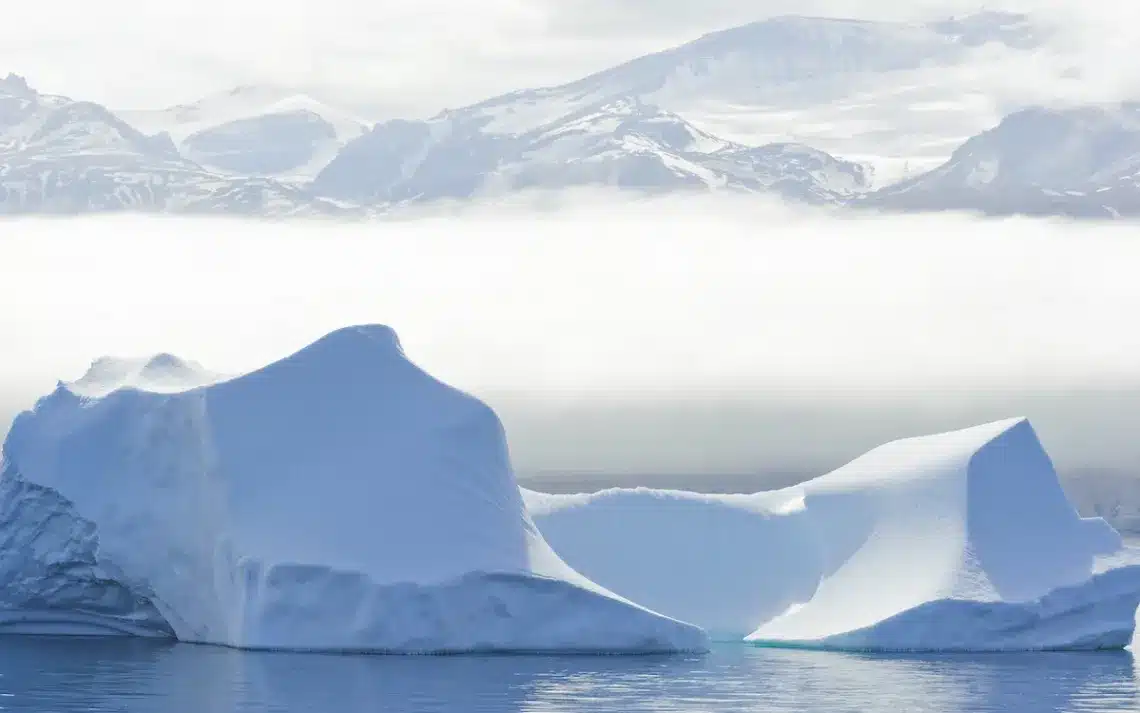
In the heart of Baffin Bay, the North Water Polynya stands as one of the Arctic’s most remarkable natural phenomena. This expansive area of open water, roughly the size of Lake Superior, remains unfrozen even during the harshest winter months. Situated between Greenland and Canada, the polynya is crucial for the local wildlife and the Inuit communities that have thrived in this region for generations.
The formation of the North Water Polynya is a delicate balance of ocean currents and a massive ice arch to the north. These elements work in tandem to prevent sea ice from encroaching on the area, allowing nutrient-rich waters to rise and support a diverse ecosystem. However, with the Arctic warming at an alarming rate—four times faster than the global average—this natural barrier is increasingly at risk of failing. The consequences of this warming trend extend beyond ecological concerns; they also include a significant increase in shipping traffic, which has surged nearly 40% over the past decade. This uptick includes various vessels such as oil tankers, commercial fishing boats, and cruise ships, raising alarms about potential environmental impacts and resource extraction in the region.
Inuit Communities Advocate for Environmental Protection
The Inuit communities, who have historically managed the lands surrounding the North Water Polynya, are voicing their concerns over the implications of increased shipping and resource extraction. The rhetoric surrounding potential territorial claims by the U.S. government has heightened fears of ecological disaster. In response, the Inuit have intensified their calls for respect for Indigenous sovereignty and environmental protection.
In late 2022, the United Nations granted permanent consultation status to Inuit communities regarding international shipping regulations, marking a significant step in their advocacy efforts. Additionally, discussions are underway with the Canadian and Greenland governments to establish a marine protected area near the polynya. Herb Nakimayak, interim president of the Inuit Circumpolar Council Canada, emphasized the importance of cooperation and adherence to international rules to ensure the Arctic remains a peaceful region.
The Ford-Class & New Ship Programs Bring Next-Gen to the Navy
The North Water Polynya, known as Sarvarjuaq to Canadian Inuit and Pikialasorsuaq to Greenlanders, has been a source of sustenance for these communities for millennia. The Inuit Circumpolar Council (ICC) has been instrumental in advocating for the rights and priorities of the Inuit, culminating in the 2017 report titled *People of the Ice Bridge: The Future of Pikialasorsuaq*. This report underscored the ecological and cultural significance of the polynya, asserting that any protective measures must prioritize the interests of the Inuit.
As the Arctic continues to face unprecedented changes, the Inuit communities remain vigilant in their efforts to safeguard their traditional way of life and the fragile ecosystem of the North Water Polynya. The recent signing of a Letter of Intent by Greenlandic and Canadian politicians to create the world’s first bilateral Inuit marine protected area is a promising development. This proposed area would span over 20 million acres and be managed by the Inuit, ensuring that their voices are central to the conservation efforts in this vital region.
