
Norway’s Ambitious Ship Tunnel Project Faces Uncertain Future
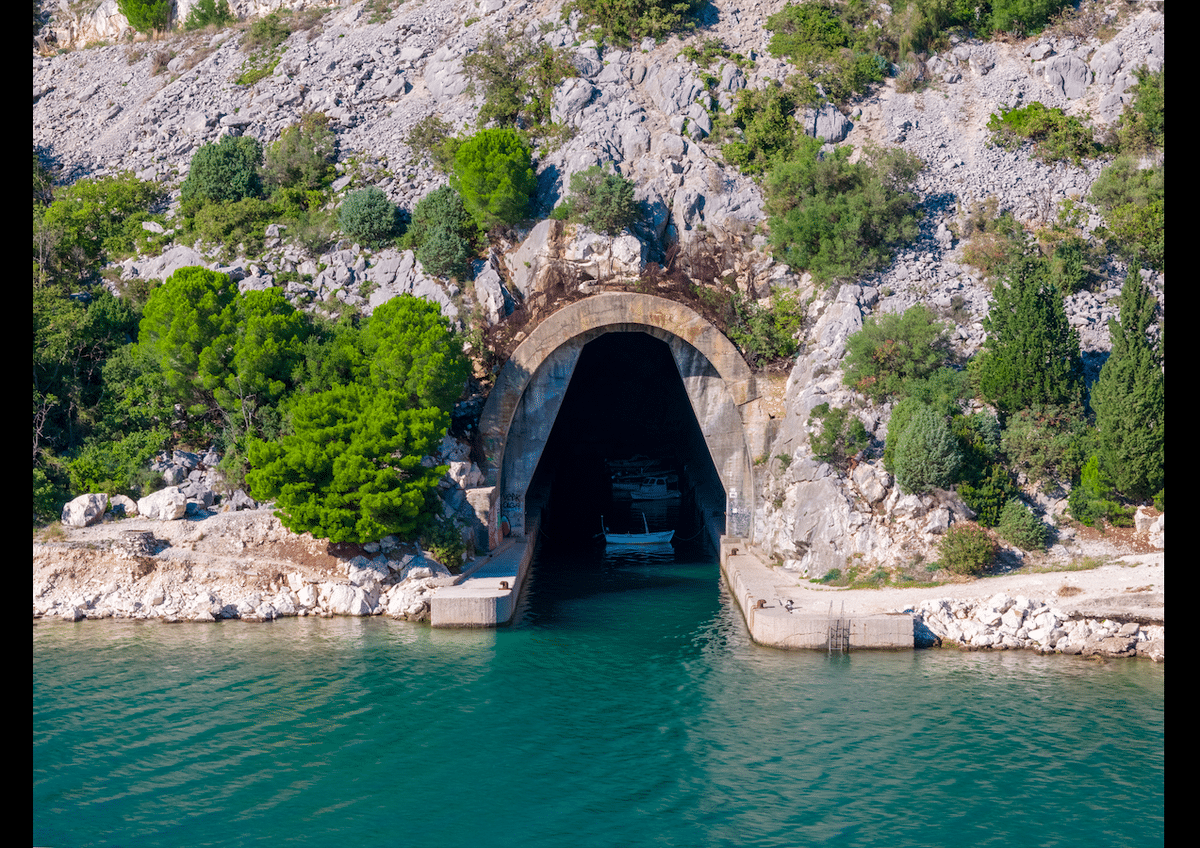
Norway’s plan to construct the world’s first full-scale ship tunnel, designed to enhance maritime safety, has been suspended by the national government due to soaring costs and budgetary disputes. The Stad Ship Tunnel, intended to create a 1.7-kilometer passage through the Stad Peninsula, was initially hailed as a groundbreaking engineering solution to one of Norway’s most perilous maritime routes. However, recent projections indicate that the project’s costs have nearly doubled, prompting a reevaluation of its feasibility within the current budget framework.
As part of the proposed 2026 state budget, the government announced that all work on the tunnel would be halted pending approval from the Storting, Norway’s national parliament. The Norwegian Coastal Administration, responsible for the project’s development, has been directed to pause all preparations, including the tendering process and negotiations with potential contractors, until lawmakers reach a decision.
“For now, we are suspending our activities until the parliament has decided on the budget,” stated the Coastal Administration’s director, highlighting the anticipation among stakeholders, including municipalities and regional interests, for the legislature’s outcome.
The Original Project and Its Ambitions
The concept of a ship tunnel at Stad has been under consideration for decades, aimed at improving safety for vessels navigating the treacherous Stadhavet Sea along Norway’s western coast. The area is notorious for strong cross-currents, unpredictable winds, and a history of shipwrecks, making it a hazardous route for ferries, fishing boats, and coastal cargo traffic. A tunnel through the narrowest point of the peninsula, connecting Moldefjorden and Kjødepollen, would have provided a protected maritime corridor.
According to official plans, the tunnel was designed to be 1.7 kilometers long, 36 meters wide, and 50 meters high, accommodating coastal freight and passenger vessels, including those operated by Hurtigruten. The Coastal Administration, along with external consultants, conducted extensive quality assurance and project optimization studies to prepare for the project.
In late 2024, the Norwegian Coastal Administration completed a prequalification phase for contractors, with four firms advancing to the bidding round. This interest reflected the significance of what would have been an unprecedented maritime engineering endeavor.
Rising Costs Trigger Government Rethink
Despite initial enthusiasm, the projected costs for the tunnel began to escalate as bids were received and further technical assessments were conducted. Early transport planning documents estimated the project would cost a few billion Norwegian kroner, but by 2025, advisers warned that construction could exceed NOK 9 billion (approximately €810 million). In October 2025, government ministers cited these rising costs as the main reason for halting active work on the project.
Under a government-approved framework, construction costs were initially capped at NOK 5.3 billion, a figure adjusted from earlier parliamentary approvals. However, the tendered bids significantly exceeded this threshold, leading officials to conclude that proceeding without a new parliamentary mandate would be fiscally irresponsible, given competing national priorities.
The Minister of Fisheries and Oceans stated that the decision to suspend the tunnel project was made to prioritize initiatives that would deliver greater safety and accessibility benefits within the available budget.
Parliament to Decide Tunnel’s Fate
The future of the Stad Ship Tunnel now rests with the Storting, which will debate whether to allocate funds to continue the current tender and contract process or to revise the project scope to align with more modest cost projections. The proposed 2026 budget, which includes the tunnel’s suspension, will undergo parliamentary scrutiny and potential amendments before a final vote.
Some lawmakers have already indicated they may advocate for reviving the project or restructuring it to meet acceptable cost limits, which may require new funding approvals. Until the final budget vote, the Coastal Administration will maintain a holding pattern, pausing construction planning and awaiting clear direction.
Funding to Build First Ship Tunnel Withdrawn by Norwegian Government
The Stad Ship Tunnel was envisioned as an innovative solution to a dangerous maritime passage, potentially setting a global precedent. However, as the 2026 budget process unfolds, stakeholders from coastal communities to national policymakers will closely monitor the situation. The decision to revive, redesign, or permanently shelve the project will significantly influence Norway’s approach to major infrastructure initiatives in the years ahead.
