
Oceana Revolutionizes Shipbuilding with Integrated Solutions
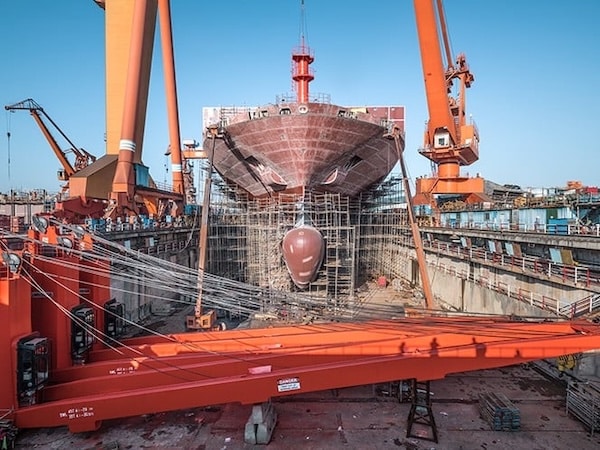
In a significant shift for the shipbuilding industry, Brazil-based Oceana has adopted an integrated approach to streamline its operations and enhance efficiency. By leveraging AVEVA™ Enterprise Resource Management, Oceana has successfully united its departments, addressing common challenges such as siloed information and inefficient material management. This innovative strategy not only improves collaboration but also positions Oceana as a leader in production times within the competitive shipbuilding market.
Challenges in Traditional Shipbuilding
In the shipbuilding sector, managing costs effectively is crucial, with approximately 60–70% of project budgets allocated to materials. However, traditional shipyards often face significant hurdles due to fragmented material flow and disconnected systems. This disjointed approach leads to various challenges, including siloed departments, inefficient material management, and a lack of control and visibility across projects.
Without integration, teams frequently re-enter data into multiple systems, resulting in unreliable information and wasted time. This fragmentation complicates cross-discipline planning and makes it difficult to extract accurate managerial KPIs for informed decision-making. Furthermore, poor material management can lead to overspending, double ordering, and missing parts, which can quickly escalate into substantial cost overruns.
Additionally, when teams lack visibility into project details, they risk working with outdated designs or incomplete bills of materials (BOMs). This can result in mismatched kits, installation errors, and costly rework. To overcome these challenges, shipbuilders need a cohesive strategy that integrates engineering, procurement, planning, and construction teams within a unified data environment.
Oceana’s Integrated Approach to Shipbuilding
Founded in 2013, Oceana has quickly established itself in the shipbuilding industry by adopting an integrated approach that harmonizes work across the project lifecycle. By implementing AVEVA Enterprise Resource Management, Oceana has successfully connected its supply chain functions—such as procurement, warehousing, and planning—with engineering and construction workflows. This integration allows teams to collaborate effectively, sharing a single source of information that enhances coordination and reduces errors.
With this system, data is entered only once, ensuring that all teams work from the same up-to-date information. As designs evolve, the project roadmap remains current, enabling leadership to access critical KPIs for performance assessment and swift decision-making. Moreover, by linking engineering outputs directly to procurement and warehouse systems, Oceana can accurately forecast material needs, preventing issues like double ordering and overstocking.
Oceana’s integrated environment also provides real-time visibility into design changes, ensuring that construction crews operate with the most accurate BOMs. This proactive approach minimizes the risk of installation errors and reduces rework. By releasing work orders closer to execution dates, Oceana maximizes agility and enhances its ability to navigate disruptions, ultimately streamlining production flow.
As a result of these advancements, Oceana has achieved remarkable outcomes, delivering new builds on or ahead of schedule while significantly reducing costs. An independent study has recognized Oceana as a leader in production times, underscoring the effectiveness of its integrated approach and the AVEVA solutions that support it. This success story serves as a powerful reminder that true integration in shipbuilding goes beyond technology; it hinges on collaboration, visibility, and the effective use of shared data to achieve common goals.
