
Pacific Basin Expands Fleet with New Conventionally-Fuelled Carriers
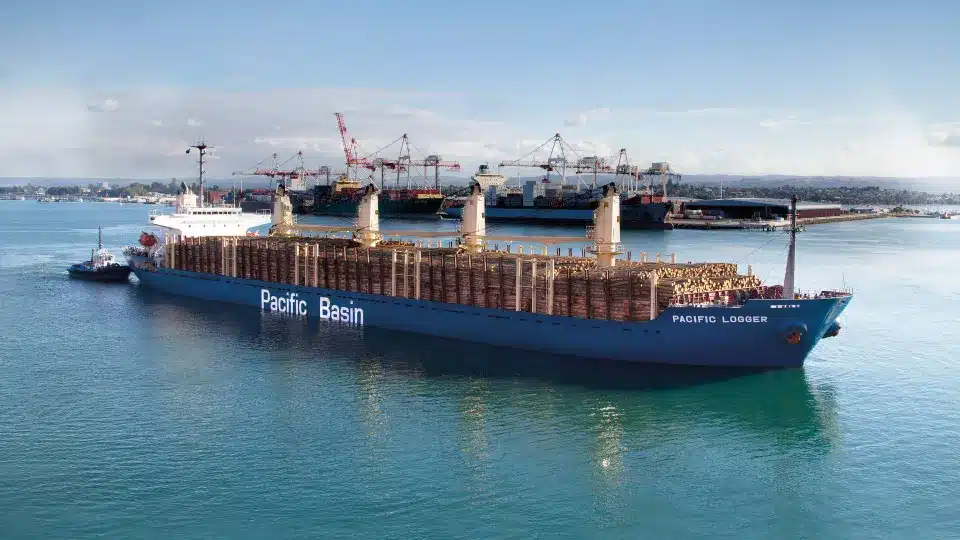
Pacific Basin, a prominent player in the dry bulk shipping sector, has announced the acquisition of four new conventionally-fuelled dry bulk carriers. This decision comes in light of the International Maritime Organization’s (IMO) delay in adopting its net-zero framework, which has influenced the company’s strategy regarding fleet expansion. The firm has signed contracts with Jiangmen Nanyang Ship Engineering Co. for the construction of these vessels, valued at approximately $119.2 million. The new ships are expected to be delivered in the first half of 2028.
The company’s choice to invest in conventionally-powered vessels stems from the current lack of proven dual-fuel designs in the Handysize category. In a statement, Pacific Basin emphasized that the postponement of the IMO’s net-zero framework, originally slated for adoption in October 2025, played a significant role in their decision-making process. The framework aimed to implement stricter greenhouse gas (GHG) intensity thresholds for marine energy consumption starting in 2028, promoting a transition to greener fuels and technologies within the shipping industry.
IMO’s Delay Impacts Shipping Industry Decisions
The IMO was expected to finalize its net-zero framework during an extraordinary session of the Marine Environment Protection Committee in October. However, due to substantial opposition, the organization opted to delay the vote for an additional year. This decision has created uncertainty within the maritime sector, prompting companies like Pacific Basin to reassess their fleet strategies. The delay in establishing a clear regulatory framework for green fuels has left many shipping firms hesitant to invest in alternative fuel technologies, particularly in the Handysize segment.
Pacific Basin’s commitment to conventionally-fuelled vessels reflects a broader trend in the industry, where companies are grappling with the implications of regulatory changes and the availability of suitable vessel designs. The firm’s investment in these new carriers indicates a cautious approach, prioritizing operational reliability while awaiting clearer guidelines on the transition to greener alternatives.
As the shipping industry navigates these challenges, the focus remains on balancing immediate operational needs with long-term sustainability goals. The decision by Pacific Basin to expand its fleet with conventionally-fuelled vessels underscores the complexities faced by maritime companies in adapting to evolving environmental regulations while ensuring their competitiveness in the market.
