
Poland Secures Stealthy Submarines Amid Baltic Tensions
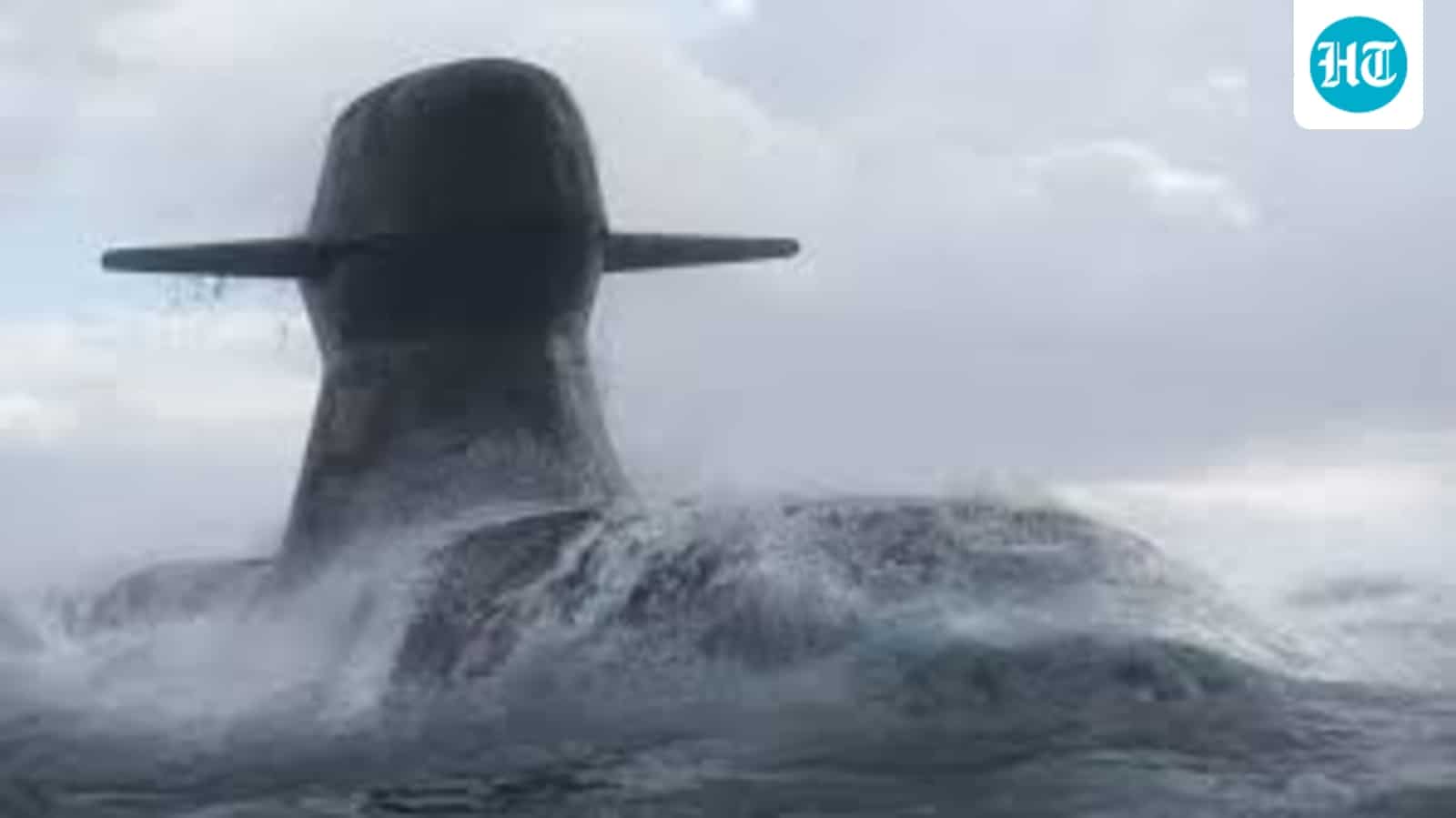
In a significant move for national security, Poland has announced the purchase of three Swedish A26 submarines for approximately $2.8 billion. This decision, made on November 26, comes as the Baltic Sea faces increasing threats from Russian activities, including suspected sabotage of critical infrastructure. The A26, while compact at just 66 meters, boasts advanced stealth and surveillance capabilities, making it a strategic asset for monitoring the region’s murky waters.
Strategic Importance of the Baltic Sea
The Baltic Sea is a vital area for Poland and its neighbors, teeming with essential telecom and energy infrastructure. Key projects like the Balticconnector, which links Finland and Estonia, and the Baltic Pipe, transporting gas from Norway to Poland, underline the region’s significance. Additionally, the seabed is lined with power and communication cables, crucial for the energy security of the Baltic states. Earlier this year, Estonia, Latvia, and Lithuania disconnected their power systems from Russia, relying on underwater connections to the European grid. The presence of hundreds of wind turbines off the coasts of Denmark and Germany, along with new installations rising off Poland, further emphasizes the need for robust surveillance in this area.
Despite NATO’s strong presence in the Baltic, with all but Russia of the nine littoral states being members, the alliance faces challenges. Russia’s ability to disrupt operations has been demonstrated through multiple suspected acts of sabotage against Baltic infrastructure, including significant damage to the Balticconnector and a power cable between Finland and Estonia. These incidents, attributed to Russia’s shadow fleet, highlight the vulnerabilities of the region. Moreover, there have been reports of drones linked to Russian vessels operating over Danish airspace, raising concerns about hybrid warfare tactics that allow Russia to deny involvement while testing NATO’s response capabilities.
Challenges and Responses to Undersea Threats
As the geopolitical landscape shifts, Poland’s reliance on the Baltic for nearly half of its energy imports is growing. By 2040, the country plans to invest over $100 billion in offshore wind farms and new LNG terminals, increasing its exposure to potential threats. The urgency to protect these assets has intensified, especially as existing surveillance technology struggles to monitor the complex underwater environment of the Baltic Sea. The shallow and cluttered seabed complicates sonar operations, making it difficult to detect underwater activities.
New technologies, including hydro-acoustic sensors and unmanned underwater vehicles, are being developed to enhance monitoring capabilities. However, integrating these systems into a cohesive surveillance network will take time. Meanwhile, delays in the delivery of the A26 submarines, originally scheduled for 2022, have pushed timelines back to 2031. Poland, currently operating only one outdated Soviet-era submarine, will have to wait until the 2030s for its new fleet.
In response to the growing threats, NATO has increased patrols in the Baltic under its Baltic Sentry operation. However, the alliance’s ability to enforce maritime law remains limited, as crews cannot board or inspect commercial vessels without valid registration. Some nations have proposed more aggressive measures, such as closing the Baltic to shadow-fleet tankers, but such actions could violate international law and escalate tensions with Russia.
As Poland strengthens its naval capabilities, including a new law allowing the use of force to protect critical infrastructure, the costs of maintaining security are becoming apparent. A recent study estimated the daily costs of repairing undersea infrastructure, highlighting the financial implications of potential attacks. With the stakes high, Poland’s investment in the A26 submarines may prove to be a crucial step in safeguarding its national interests in the Baltic Sea.
