
Pyxis Tankers Inc. Highlights Fleet and Financial Performance in Corporate Presentation
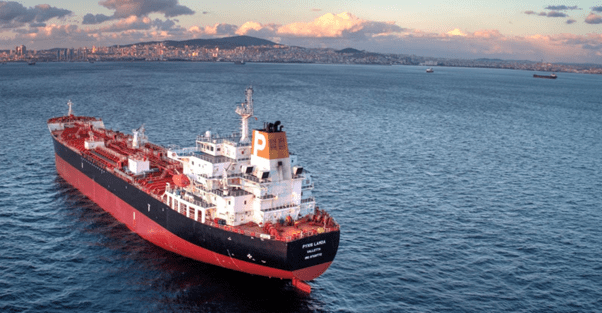
In a recent episode of Capital Link’s 2026 Corporate Presentation Series, Pyxis Tankers Inc. (NASDAQ:PXS) showcased its corporate overview, focusing on its fleet composition, eco-efficient vessels, and financial performance. The presentation, led by Chairman and CEO Valentios (Eddie) Valentis and CFO & Treasurer Henry Williams, provided insights into the company’s operations and market outlook for both the tanker and dry bulk sectors.
Pyxis Tankers operates a fleet of six mid-sized vessels, which includes three MR product tankers and three dry bulk carriers. This fleet features a wholly owned Kamsarmax and controlling interests in two joint ventures for a sister Kamsarmax and an Ultramax. As of September 30, 2025, the company reported a net funded debt to total capitalization ratio of under 20%. However, the financial landscape has seen challenges, with TCE revenues declining by approximately $8 million year-over-year, primarily due to lower charter rates. The average daily TCE across the fleet fell from $25,870 in 2024 to $17,730 in 2025, reflecting a significant drop in MR product tanker charter rates and a reduction in dry bulk rates. Consequently, the company’s net income decreased to nil, with adjusted EBITDA reported at $8.9 million for the recent period.
Financial Strategies and Market Outlook
During the presentation, CFO Henry Williams discussed recent loan amendments that have reduced the consolidated weighted average interest margin to just under 2% over SOFR. This marks a decrease from the 6.67% rate incurred during the first nine months of 2025. The company’s next loan maturity is not due until February 2029, providing a stable financial outlook for the near future. In terms of capital allocation, Pyxis Tankers has repurchased approximately 115,000 shares for just over $300,000, with $2.7 million remaining under the current authorization for further repurchases.
Looking ahead, the product tanker market is expected to see moderate growth, with seaborne trade correlating to GDP growth projected at approximately 3.25% annually through 2027, according to the IMF. OPEC+ has committed to maintaining its voluntary crude production cuts, which began in April 2025. Global oil consumption is anticipated to rise by nearly 1% in 2026, alongside a similar increase in refinery throughput. On the supply side, the MR2 order book currently comprises 268 vessels, representing about 14% of the global fleet. With newbuilding deliveries set to accelerate, significant demolitions of older vessels are expected in the long term.
China and India’s Role in Dry Bulk Demand
Bureau Veritas Hellenic Marine Technical Committee meets in Athens
China continues to be the primary demand driver for iron ore and coal, with its economy forecast to grow approximately 4.5% in 2026. However, CEO Valentis cautioned that structural challenges within China’s real estate market and banking system could impact this growth. Meanwhile, India is emerging as a significant source of demand, with the IMF projecting GDP growth of around 6.4% annually through 2027. This shift in demand dynamics highlights the evolving landscape of the dry bulk market and the potential opportunities for Pyxis Tankers moving forward.
