
Reviving the Port of Churchill: A New Era for Exports
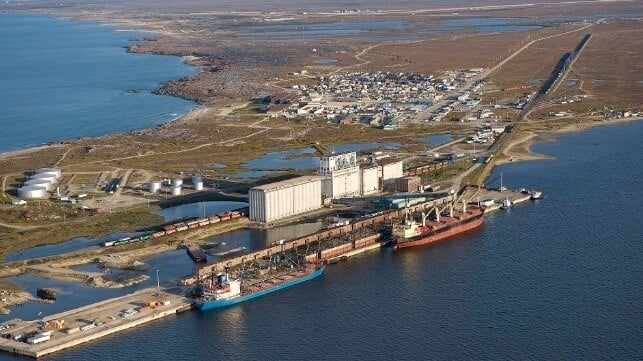
Discussions are intensifying in Canada regarding the revitalization of the Port of Churchill, a historically significant shipping hub on Hudson Bay. Once the primary port for exporting Western Canadian agricultural products to Europe, the port is now being considered for future oil and agricultural bulk freight exports. Manitoba’s premier is actively seeking federal support to enhance the port’s capabilities, which could play a crucial role in meeting Eastern Canada’s energy needs and expanding trade routes.
Historical Context and Current Developments
The Port of Churchill, located in northeastern Manitoba, has a rich history dating back to the early 1800s. It served as a vital export point before the St. Lawrence Seaway opened in the late 1950s, which shifted much of the shipping traffic to the Port of Thunder Bay. This transition reduced the competitiveness of Churchill, as the shorter railway distance to Thunder Bay made it more cost-effective for transporting grain from Western Canada. However, recent opposition to pipeline development across Quebec has prompted a reevaluation of Churchill’s potential.
Environmental concerns have stalled plans for a pipeline intended to transport oil and natural gas from Western Canada to the Atlantic provinces. In response, Western Canada is exploring alternative export routes, including a proposed oil pipeline connecting to the railway leading to Churchill. This could facilitate the transport of oil and agricultural products to European markets. Enhancements to the port, such as deepening the draft of the maritime terminal and developing an offshore terminal, are also being considered to accommodate larger vessels.
With the potential to deepen the navigation channel and construct breakwaters to manage sediment, the Port of Churchill could once again become a key player in international shipping. The idea of using smaller vessels to break ice for larger ships during winter months could further enhance year-round shipping capabilities across Hudson Bay.
Future Prospects and Economic Impact
The future of the Port of Churchill looks promising, with plans to accommodate mega-size ships that can carry bulk freight more efficiently than smaller vessels. Upgrading the railway infrastructure to support heavier loads during winter months could significantly enhance the port’s export capacity. This would allow for the transportation of crude oil, potash, and agricultural products from Western Canada to Europe and beyond at competitive rates.
Moreover, the potential for container ships to dock at Churchill and transfer goods to trains for distribution across Western Canada and the northwestern United States adds another layer of economic opportunity. As discussions continue, the Port of Churchill stands at a crossroads, with the possibility of transforming into a vital export hub once again, driven by the need for alternative energy sources and efficient trade routes.
