
Rhode Island Secures 70 Acres of Coastal Land
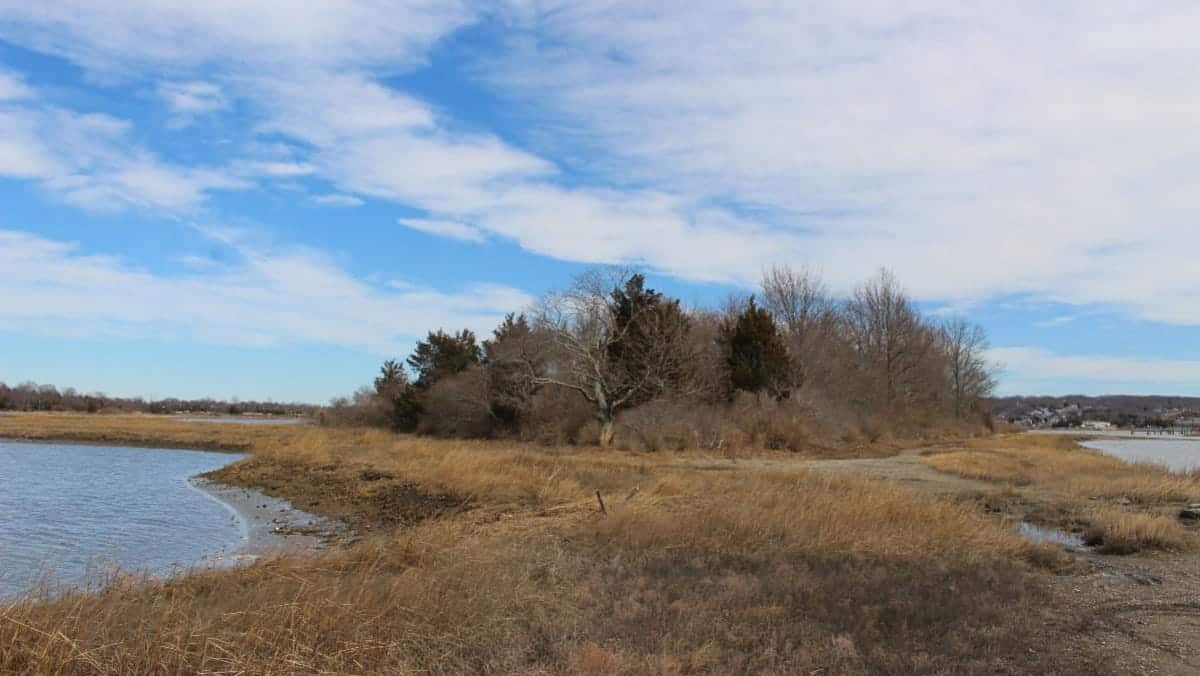
Rhode Island has taken a significant step in environmental conservation by acquiring 70 acres of coastal land in Portsmouth, funded by settlement money from a 2003 oil spill. The Bouchard B-120 oil spill, which released 98,000 gallons of fuel oil, devastated local wildlife and coastline. The newly acquired Gull Cove area will serve as a critical habitat for birds and aid in marshland restoration efforts to combat rising sea levels.
Details of the Land Acquisition
The Rhode Island Department of Environmental Management (DEM) utilized $880,000 from the Bouchard B-120 settlement to purchase the 70 acres at Gull Cove, an intertidal estuary located next to the Sakonnet River. This acquisition, combined with a recent transfer of a 16.75-acre parcel from the state Department of Transportation, means that the DEM now oversees the entire northern shore of Gull Cove.
Terry Gray, the DEM director, emphasized the importance of this land, describing it as “a state treasure” that provides essential habitat for various bird species. He noted that the conservation of this area enhances coastal access opportunities in Portsmouth while improving the local wildlife habitat. The newly protected land consists of a mix of salt marsh and coastal uplands, which are vital for the ecosystem.
Impact of the Bouchard B-120 Oil Spill
The Bouchard B-120 oil spill occurred on April 27, 2003, when the tank barge struck a bedrock ledge while being towed. This accident resulted in a significant environmental disaster, with nearly 100 miles of coastline in Massachusetts and Rhode Island affected. The spill coincided with the spring bird migration, leading to the deaths of thousands of birds, including common loons and various shorebirds.
Cleanup efforts took months, and the spill’s long-term effects included habitat disruption that impacted bird populations. After years of legal battles, a final settlement of $13 million was reached in 2018, which has since funded various conservation projects across the region.
The newly acquired Gull Cove land will be instrumental in providing nesting, roosting, and foraging areas for waterbirds. The DEM plans to restore the marshland with support from the National Fish and Wildlife Foundation, ensuring that the habitat can adapt as sea levels rise. Gray highlighted this acquisition as a significant milestone in Rhode Island’s conservation efforts, marking a lasting victory for the state’s environmental future.
