
Robotic Excavators Pave Way for Lunar Colonies
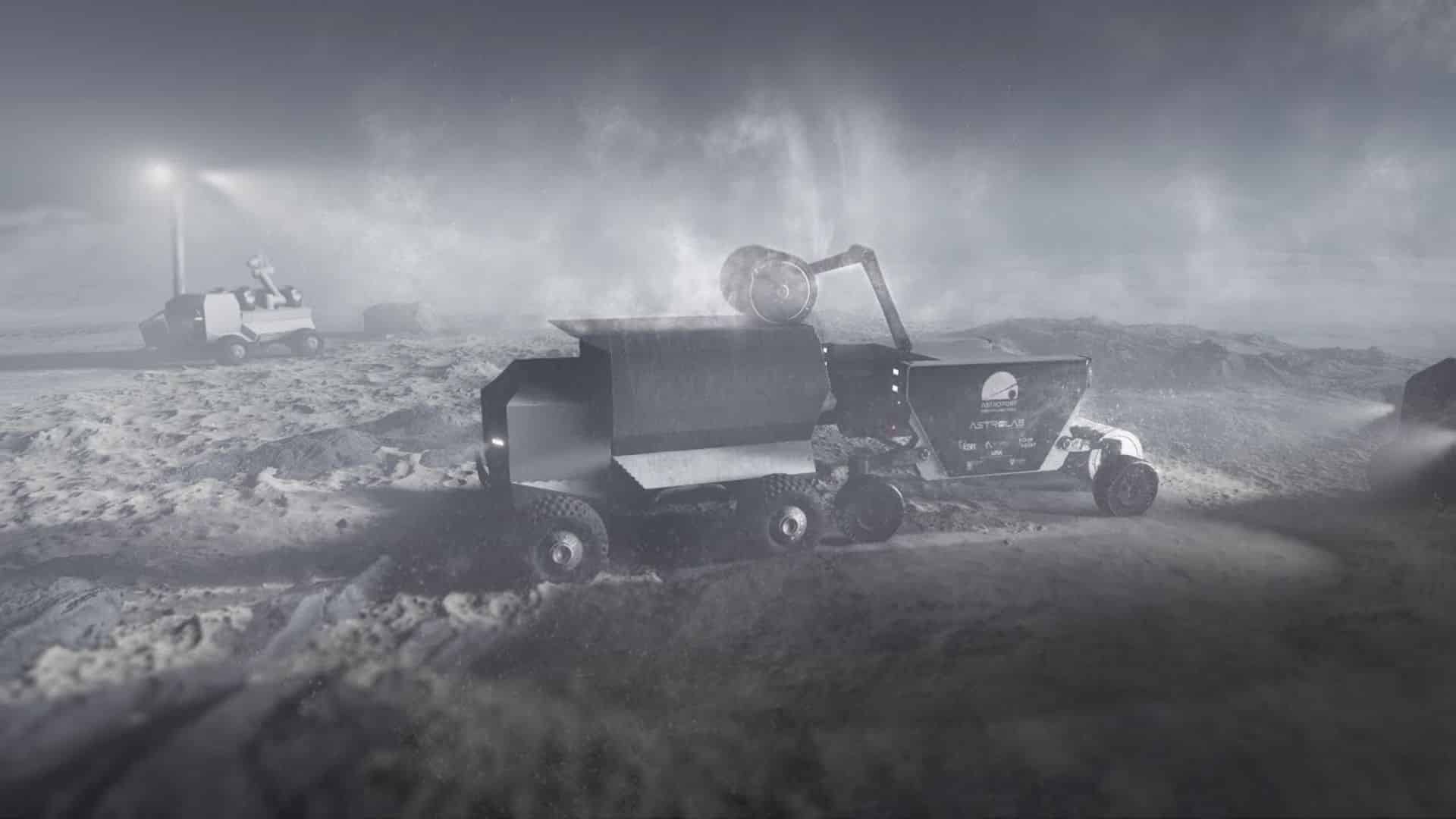
As humanity looks toward establishing a permanent presence on the Moon, significant advancements are being made in lunar construction technology. Recently, Astroport Space Technologies and Venturi Astrolab successfully tested a specialized lunar excavator, marking a crucial step in preparing for future lunar colonies. This development comes amid ongoing challenges and delays related to the Artemis II mission.
Innovative Excavation Technology
Astroport Space Technologies and Venturi Astrolab have recently concluded a successful field demonstration of their lunar excavator payload, which is envisioned as the “industrial workhorse” for future lunar habitats. This milestone is part of a broader initiative to develop automated construction solutions for the Moon, aimed at addressing the unique challenges posed by its harsh environment.
The collaboration between the two companies is formalized through a Memorandum of Understanding (MOU), which establishes a “Science-to-Construction” pipeline. This initiative aims to tackle the significant issue of lunar infrastructure, as the Moon’s surface is characterized by a desolate landscape filled with sharp regolith that can damage equipment. To mitigate this risk, Astroport is working on creating sintered surfaces—essentially transforming lunar dust into solid landing pads and roadways.
Sam Ximenes, CEO of Astroport, emphasized the importance of building the necessary infrastructure before large-scale missions commence. The centerpiece of this operation is the Flexible Logistics and Exploration (FLEX) rover, developed by Astrolab. This modular platform can adapt to various payloads, functioning like a high-tech multi-tool. During the recent demonstration, the excavator integrated with the FLEX rover successfully moved an average of 94 kilograms of regolith in just 3.5 minutes, showcasing its operational capabilities.
Seaspan Shipyards Invests in Robotics for Safer Shipbuilding
Building a Sustainable Lunar Economy
Establishing a sustainable presence on the Moon requires the movement of thousands of tons of regolith to create stable infrastructure. The recent excavator demonstration represents the first step in evolving the FLEX rover into a versatile tool for lunar development. The partnership between Astroport and Astrolab prioritizes the construction of essential infrastructure, ensuring that NASA and the Space Force have “shovel-ready” capabilities for future missions.
This modular approach aims to secure strategic locations on the Moon and support a long-term space economy. It could facilitate the precise excavation of habitat sites, the paving of lunar roadways for supply chains, and the construction of sintered launch pads to reduce the hazardous dust plumes that threaten spacecraft operations.
Ximenes stated, “Leading with this successful excavator demo proves that our technology is no longer theoretical—it is operational.” Other companies are also exploring lunar excavation technologies, including Interlune, which is focused on harvesting Helium-3 for quantum computing and fusion energy. In collaboration with Vermeer Corp, Interlune is developing a prototype capable of processing an impressive 100 metric tons of regolith per hour.
