
Royal Caribbean Unveils Icon of the Seas: A Floating City
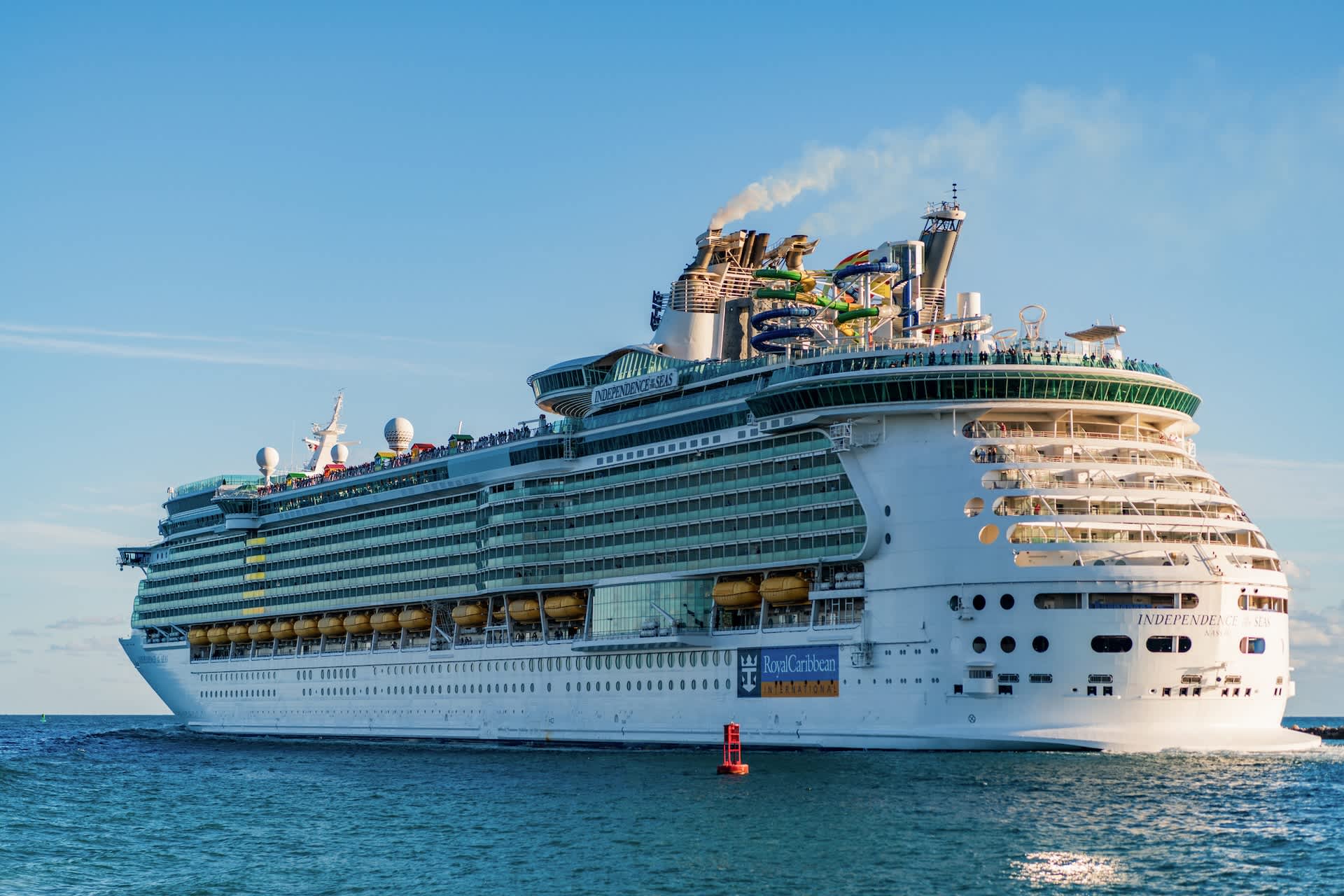
Royal Caribbean has officially introduced its latest cruise ship, the Icon of the Seas, in early 2024. This vessel represents a significant shift in cruise ship design, boasting an impressive length of 1,197 feet and a weight of 248,663 tons. With a capacity to accommodate 7,600 passengers and 2,350 crew members, the Icon of the Seas has sparked widespread fascination and debate among potential travelers and environmentalists alike. A recent video shared on the r/Amazing subreddit highlighted the ship’s immense size, with users humorously noting that it could be “five times bigger than the Titanic.” The footage showcases a plethora of attractions, including pools, basketball courts, water slides, and outdoor bars, leading many to liken the ship to a floating city.
The sheer scale of the Icon of the Seas has generated a mix of excitement and concern. While many are drawn to the ship’s extensive amenities, critics have raised alarms about the environmental impact of such a colossal vessel. The ship’s design and operational capabilities reflect the latest trends in the cruise industry, where larger ships are becoming the norm. As the cruise line aims to attract more passengers, the implications of this growth on local ecosystems and communities are becoming increasingly relevant.
Environmental Concerns Surrounding Icon of the Seas
Despite the allure of the Icon of the Seas, environmental concerns have emerged regarding its operation. The ship is powered by six massive engines that utilize liquefied natural gas (LNG), consuming nearly 100,000 gallons of fuel daily. While LNG was chosen to reduce carbon emissions, critics point out that it produces methane, a greenhouse gas significantly more potent than carbon dioxide in terms of heat retention. This has led to skepticism among experts about whether LNG can effectively mitigate the environmental impact of such large vessels.
The International Council on Clean Transportation has expressed doubts about the efficacy of LNG in reducing overall pollution from cruise ships. As the cruise industry continues to expand, the environmental footprint of these floating behemoths raises questions about sustainability. Some users on social media have voiced their concerns, with one commenter stating that the ship represents “mobile pollution.” Others have suggested that the influx of tourists to destinations served by such large ships could overwhelm local resources and ecosystems.
As the Icon of the Seas prepares to set sail, it remains to be seen how the cruise industry will address these pressing environmental issues. The ship’s debut has undoubtedly captured public attention, but it also serves as a reminder of the ongoing challenges faced by the maritime sector in balancing growth with sustainability.
