
Royal Caribbean’s Icon of the Seas Sparks Controversy
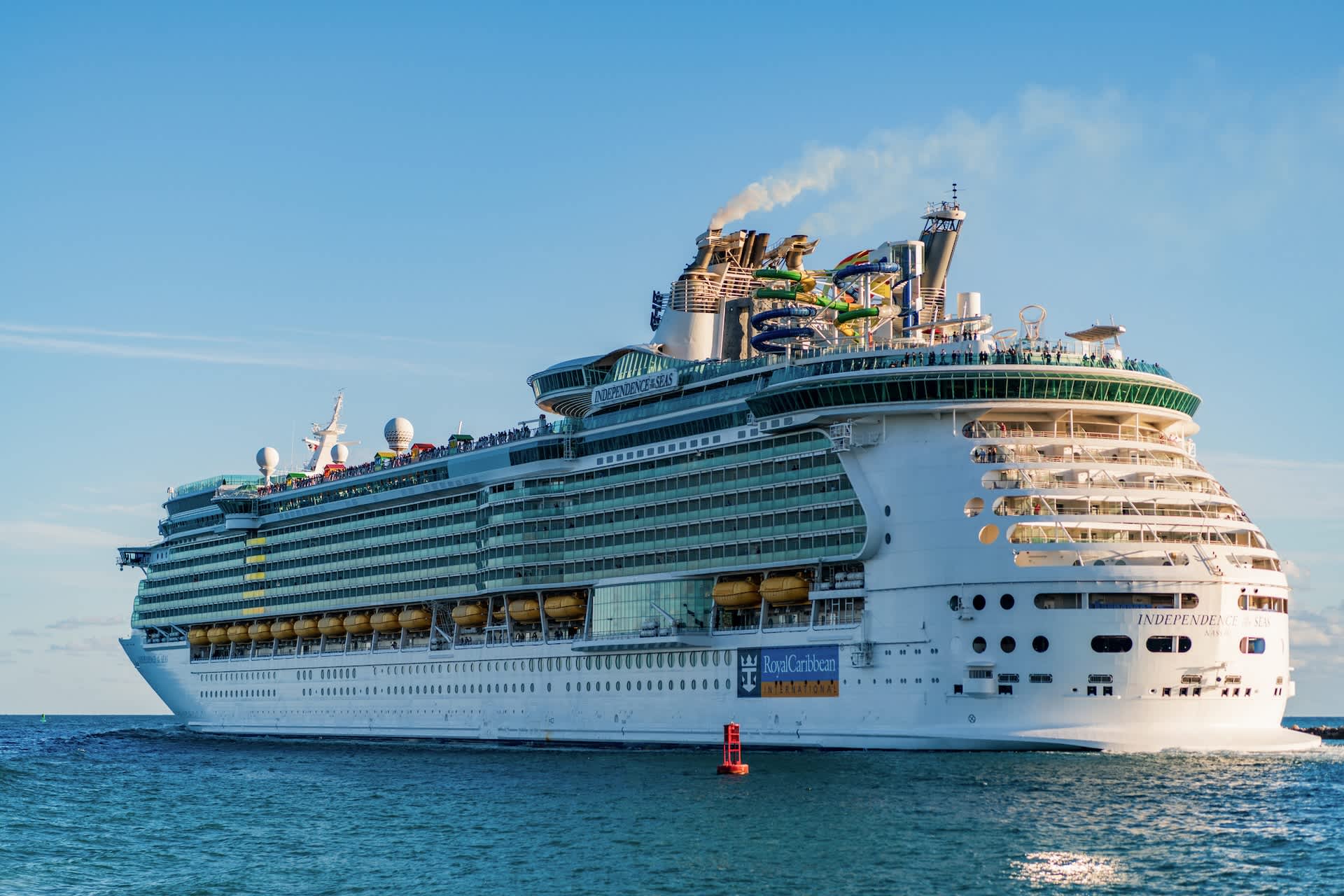
Royal Caribbean’s latest cruise ship, the Icon of the Seas, has ignited a heated debate online following its unveiling in early 2024. Dubbed “five times bigger than the Titanic,” this colossal vessel boasts a staggering capacity of 7,600 passengers and 2,350 crew members. While many marvel at its impressive amenities, critics are raising concerns about its environmental impact and the implications of such massive tourism.
Massive Scale and Amenities
The Icon of the Seas is a marvel of modern engineering, measuring 1,197 feet in length and weighing 248,663 tons. Its design features a plethora of attractions, including multiple pools, basketball courts, water slides, and outdoor bars, all of which contribute to its reputation as a floating city. A recent video shared on Reddit showcased the ship’s vastness, prompting users to joke about its size, with one commenter quipping, “That thing have its own ZIP code?”
Despite the excitement surrounding its launch, the sheer scale of the Icon of the Seas has led to comparisons with a mobile city, raising questions about the sustainability of such large vessels. The ship’s capacity to accommodate thousands of guests and crew members presents unique challenges in terms of resource management and waste disposal. Critics argue that the environmental footprint of such a massive cruise ship is significant, with concerns about the pollution generated by its operations.
Environmental Concerns and Criticism
While Royal Caribbean has opted for liquefied natural gas (LNG) propulsion to reduce carbon emissions, critics point out that this choice does not come without its drawbacks. The six engines powering the Icon of the Seas consume nearly 100,000 gallons of LNG daily. Although LNG is touted as a cleaner alternative, it produces methane emissions, a greenhouse gas that is 80 times more effective than carbon dioxide at trapping heat in the atmosphere.
Experts from the International Council on Clean Transportation have expressed skepticism about the effectiveness of LNG in mitigating the environmental impact of cruise ships. Many users on social media have voiced their concerns, with one commenter stating, “These kinds of vessels are just mobile pollution.” Others have drawn parallels to the animated film “Wall-E,” suggesting that such massive tourism operations contribute to a growing environmental crisis.
As the Icon of the Seas continues to attract attention, it remains to be seen how Royal Caribbean will address the mounting criticism regarding its environmental practices and the sustainability of its operations. The ship may be a marvel of modern design, but its impact on the planet is a growing concern among both environmentalists and the public.
