
Russian Cargo Ship Ursa Major Sinks in Mediterranean Amid Suspicions of Attack
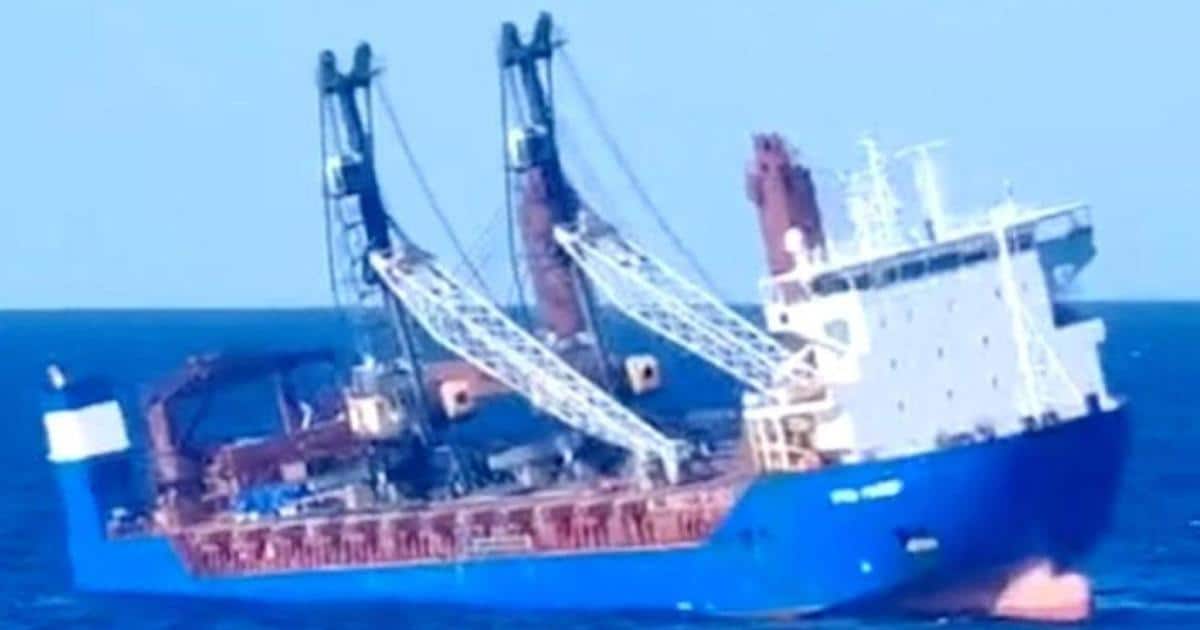
The Russian cargo ship Ursa Major sank in the Mediterranean Sea on December 23, 2024, following a catastrophic explosion in its engine room. The incident occurred while the vessel was navigating south of Mallorca. According to a report by the Spanish newspaper La Verdad, officials are investigating the possibility that the ship was targeted by a submarine, potentially from a Western nation. This attack may have been aimed at preventing the delivery of two nuclear reactors allegedly being transported to North Korea.
The Ursa Major, constructed in 2009, was operated by Oboronlogistika, a company affiliated with the Russian Defence Ministry. Initially, the ship was reported to be en route to Vladivostok, carrying two large port cranes on its deck. However, the circumstances surrounding its sinking have raised significant concerns. Russia’s embassy in Spain has stated that it is investigating the incident and is in contact with Spanish authorities. Both Oboronlogistika and SK-Yug, the ship’s direct owner, have refrained from commenting on the matter. Notably, both companies, along with the Ursa Major itself, were sanctioned by the United States in 2022 due to their connections to Russia’s military operations.
Investigation Reveals Possible Military Connection
La Verdad’s report highlights that investigators have identified a breach on the starboard side of the Ursa Major, which matches the damage typically caused by a supercavitating torpedo equipped with a 500-millimeter warhead. Such torpedoes are utilized by various nations, including Russia, China, and some NATO countries. Spanish authorities are particularly focused on two blue containers located on the ship’s stern, which do not align with the cargo description provided by the vessel’s captain, Igor Anisimov.
Investigators suspect that these containers may have held two VM-4SG reactors intended for nuclear submarines. The original shipping plan indicated that these reactors were to be transported from St. Petersburg to the North Korean port of Arson, situated just a few kilometers from Vladivostok, the ship’s officially declared destination. This revelation raises serious questions about the nature of the cargo and the potential implications for international security.
In the context of heightened maritime activity, maritime observer Michael J. Sánchez noted an increase in Russian ship transits through the Strait of Gibraltar in late December 2025 and early January 2026. During this period, at least five Russian-flagged vessels crossed this critical maritime corridor, with two of them listed under international sanctions imposed by the United States, the European Union, and the United Kingdom. This surge in activity has reignited discussions regarding the control and surveillance of the Strait of Gibraltar, a key passage for global maritime trade.
