
Russian Expedition Uncovers Cold War Nuclear Waste Site Beneath Arctic Ocean
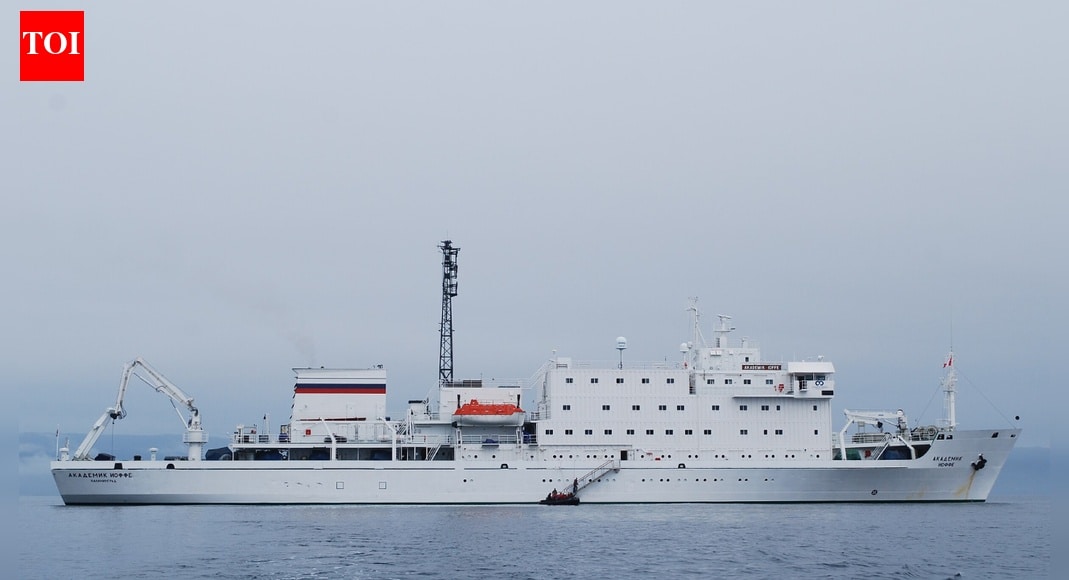
A recent Russian scientific expedition has unveiled a long-hidden nuclear waste disposal site beneath the Arctic Ocean, shedding light on Cold War-era practices of dumping hazardous materials. The discovery of the Likhter-4 barge, sunk in 1988, reveals the extent of Soviet nuclear waste disposal efforts, which included reactor compartments and solid radioactive materials. As climate change accelerates ice melting and expands marine access, the urgency to assess these sites has intensified, prompting researchers to evaluate the safety and integrity of these submerged hazards.
A Nuclear Graveyard in the Barents Sea
During its latest Arctic mission, a Russian research vessel successfully located the Likhter-4, a barge that had been intentionally sunk over three decades ago. This finding addresses a significant gap in historical records, as previous attempts to locate the site were hindered by inadequate archival data and the harsh conditions of Arctic exploration. The Likhter-4 was reportedly carrying two reactor compartments from the submarine K-22, along with 146 containers of solid radioactive waste.
From the 1960s to the late 1980s, the Soviet Union engaged in extensive dumping of spent nuclear fuel, reactor components, and sealed radioactive materials into the deep waters of the Arctic, far from populated areas. The recent expedition’s findings are crucial not only for historical documentation but also for assessing the long-term safety of these materials in a rapidly changing Arctic environment. Scientists emphasize the importance of confirming the locations and conditions of these objects to ensure they have not deteriorated over time.
Advanced Techniques for Tracking Nuclear Waste
The successful identification of the Likhter-4 required a combination of archival research and modern surveying technology. Previous attempts to locate the barge in 2007, 2023, and 2024 faced challenges due to adverse weather conditions and outdated documents that misidentified the site. This time, researchers employed side-scan sonar and remotely operated vehicles to map the seabed and identify wreck structures, providing a clearer understanding of what lies beneath the surface.
In addition to locating the Likhter-4, the expedition confirmed the presence of another suspected barge, known as the Nikel, which is associated with nearly 580 tonnes of radioactive waste. The identification of both vessels marks a significant advancement in tracking submerged hazards in the Arctic seabed.
Survey teams utilized gamma spectrometers and high-resolution sonar to assess the condition of the sites. Initial readings indicated no active radioactive leakage from the Likhter-4, with detected radiation attributed to residual surface contamination rather than structural failure. Samples from nearby sediment and marine organisms showed no measurable artificial radionuclides, suggesting that the immediate environment remains unaffected.
Future Monitoring and Environmental Concerns
The expedition also revisited the K-27 submarine, scuttled in 1981 with its nuclear fuel still onboard. Although survey readings indicated no leakage into the surrounding waters, researchers continue to regard the K-27 as one of the most hazardous submerged nuclear objects due to its unique reactor system.
In light of these findings, scientists are considering establishing a permanent underwater monitoring station near the K-27 site. This initiative aims to track long-term stability and detect any changes that could threaten containment as the Arctic environment evolves.
The resurgence of interest in Arctic shipping routes and resource access has prompted governments and researchers to reevaluate the legacy of Cold War nuclear waste. While current assessments show no immediate leaks at the confirmed sites, concerns remain about the potential degradation of metal structures and the long-term implications of climate change on these hazardous materials.
