
Russian Ports Face Decline in Foreign Trade Due to New Inspections
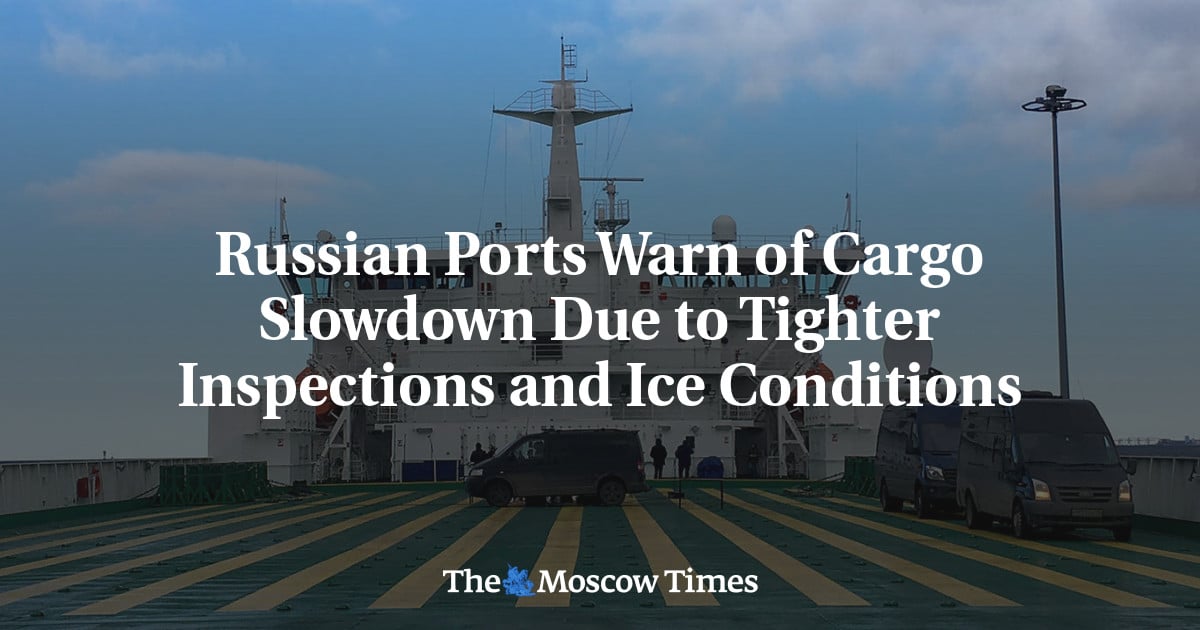
Russian ports in the northwest are bracing for a significant drop in foreign trade cargo handling. This warning comes from the Association of Russian Sea Commercial Ports (ASOP) following a decree by President Vladimir Putin that mandates enhanced inspections of all vessels entering Russian ports. The decree was enacted after a tanker explosion in Ust-Luga in February 2025, aiming to bolster port security. However, ASOP head Serik Zhusupov expressed concerns that these tighter controls, coupled with severe ice conditions in the Gulf of Finland, could severely disrupt export flows.
The implications of reduced cargo turnover extend beyond the ports themselves. Zhusupov highlighted that Russian Railways, cargo owners, and the broader economy could all feel the impact. The new inspection measures have already led to longer vessel handling times, resulting in increased costs and logistical challenges. Ilya Zharsky, managing partner at consultancy Veta, noted that while the inspections enhance security, they also create “serious logistical problems.”
Proposed Changes to Inspection Procedures
In light of the challenges posed by the new inspections, ASOP has proposed a temporary moratorium on underwater hull inspections for vessels carrying non-hazardous cargo during the ice season. This includes containers, ferrous and non-ferrous metals, mineral fertilizers, and coal. The association is advocating for amendments to the government resolution implementing the decree, emphasizing the need for clear criteria for selecting vessels for inspection.
Zharsky pointed out a critical flaw in the current inspection regime: the lack of differentiation between types of vessels. He argued that applying the same stringent requirements to tankers carrying petroleum products and bulk carriers transporting grain is illogical from a risk management perspective. A more nuanced, risk-based approach is suggested, where tankers and gas carriers would undergo full inspections, while container ships would face selective checks, and bulk carriers would follow simplified procedures.
Furthermore, Zharsky emphasized the necessity of adjusting inspection rules during the winter ice period to accommodate the unique challenges posed by the season.
Vladimir Putin instructed to check the technical condition of the tanker fleet
Current Cargo Turnover Trends
According to ASOP data, cargo turnover at Russian seaports reached 884.5 million tons in 2025, marking a slight decline of 0.4% compared to the previous year. The Baltic basin ports experienced a 0.6% drop in throughput, totaling 271.3 million tons. Notably, the Great Port of St. Petersburg saw a 3% increase in shipments, amounting to 54.6 million tons, while Ust-Luga reported a 3.4% decrease, with volumes falling to 130.5 million tons.
