
Safe Bulkers Sells Capesize Vessel as Part of Fleet Renewal Strategy
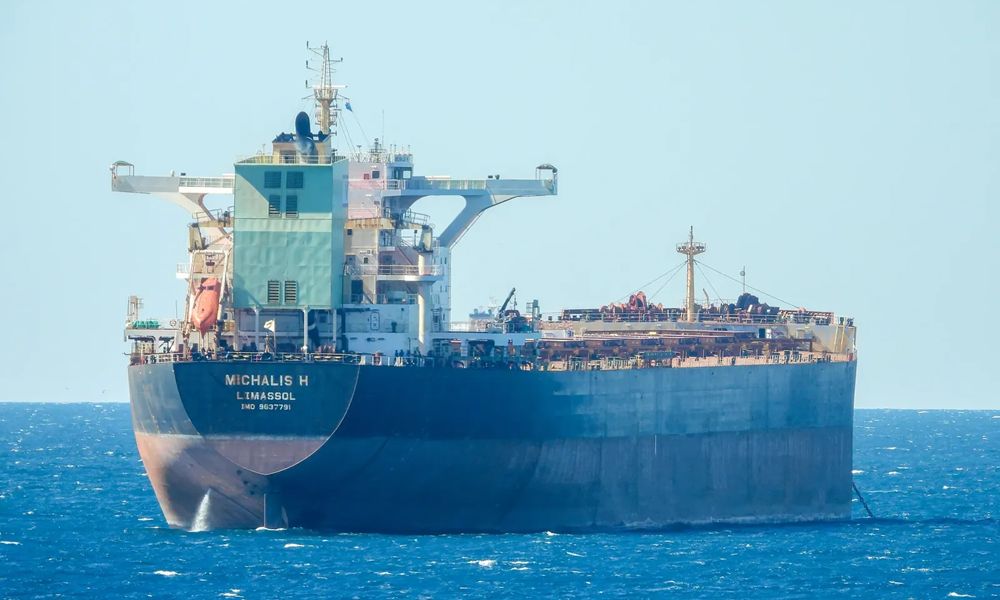
New York-listed Greek shipping company Safe Bulkers has announced the sale of its 14-year-old capesize vessel, the *Michalis H*, for $35.2 million. The transaction is part of the company’s ongoing fleet renewal program and is expected to be finalized with delivery to the new owner scheduled for the first quarter of 2026. This strategic move aligns with Safe Bulkers’ efforts to modernize its fleet and capitalize on favorable market conditions.
The *Michalis H*, built in 2012 in China, is one of the many bulk carriers operated by Safe Bulkers. The company currently manages a fleet of approximately 45 vessels, including panamax, kamsarmax, post-panamax, and capesize units. The average age of these vessels is just over 10 years. Loukas Barmparis, the company’s president, emphasized that the sale is a key component of their renewal strategy, reflecting a proactive approach to fleet management.
Balancing Sales and New Orders
The sale of the *Michalis H* comes at a time when Safe Bulkers is balancing secondhand vessel sales with new orders. Earlier this year, the company made a return to the newbuilding market by agreeing to purchase two kamsarmax vessels, each with a deadweight tonnage of 82,500. These new ships are expected to be delivered in the third quarter of 2028 and the first quarter of 2029.
Safe Bulkers Positions for Recovery with $650M Fleet Renewal Strategy
This latest acquisition follows a period of restructuring in 2024, during which Safe Bulkers sold two kamsarmax vessels. With the recent capesize sale, the company now has an order book that includes eight vessels scheduled for delivery through to 2029. This strategic mix of selling older vessels while investing in new builds positions Safe Bulkers to enhance its operational efficiency and maintain competitiveness in the bulk shipping market.
As the maritime industry continues to evolve, Safe Bulkers remains committed to adapting its fleet to meet changing demands and market conditions. The company’s focus on fleet renewal is not only a response to current market trends but also a long-term strategy aimed at sustaining growth and profitability in the years to come.
