
Sanctioned Russian Vessel Delivers Military Cargo to Libya
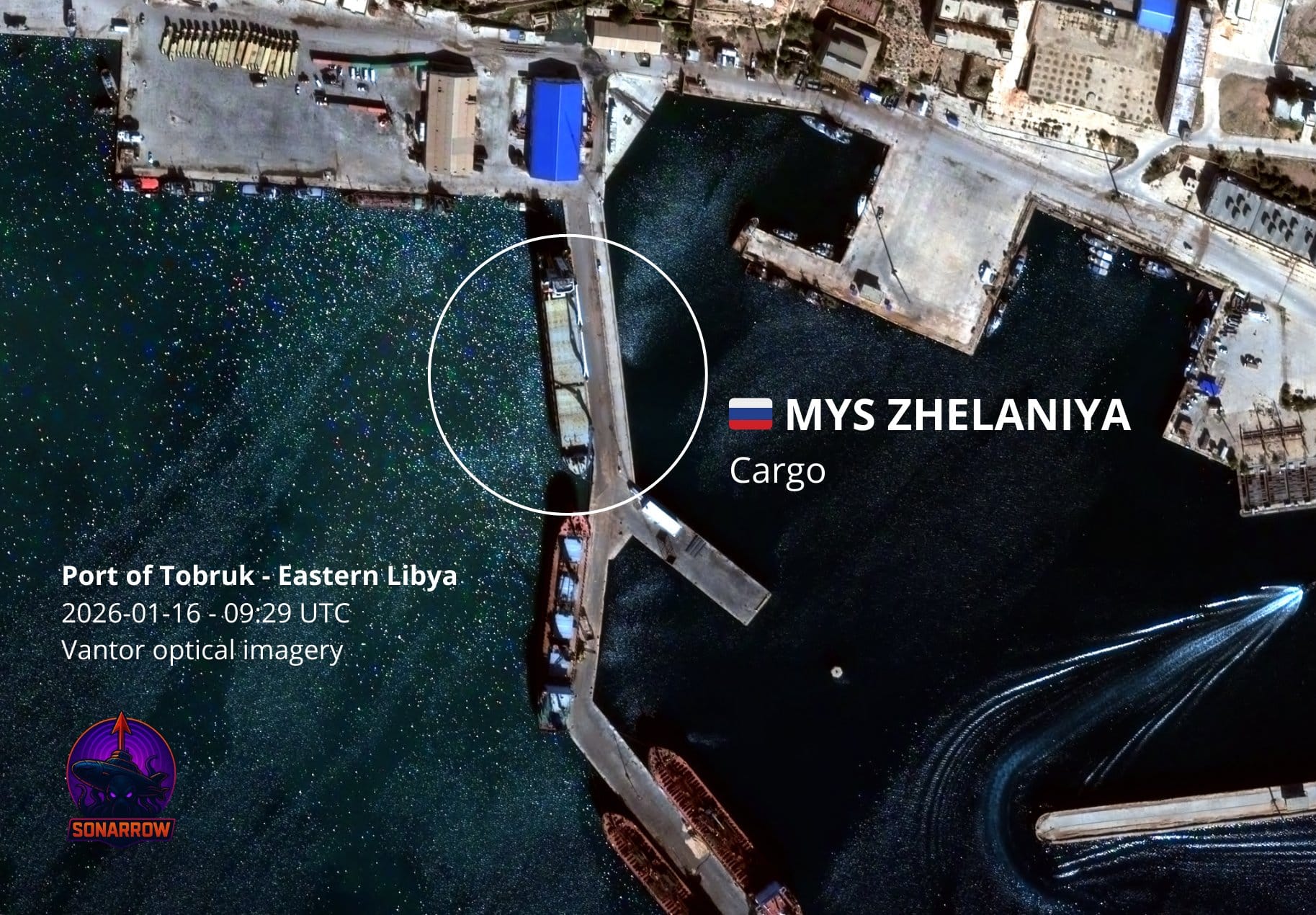
The Russian cargo ship Mys Zhelaniya has reportedly delivered military supplies to Libya, raising concerns among international observers. This delivery occurred under the protection of a naval warship, highlighting the ongoing complexities of military logistics in conflict zones. The incident took place recently, although specific dates remain undisclosed. The involvement of a sanctioned vessel in transporting military cargo has drawn attention due to the implications for regional stability and international law.
The Mys Zhelaniya is known to be under sanctions, which restrict its operations and trade activities. Despite these restrictions, the ship successfully reached its destination, indicating potential loopholes in enforcement mechanisms. The cargo’s nature and the intended recipient within Libya have not been publicly confirmed, but the delivery aligns with ongoing military support for various factions in the region. This situation underscores the challenges faced by authorities in monitoring and regulating maritime activities, especially concerning sanctioned entities.
Implications for Regional Security
The delivery of military supplies by the Mys Zhelaniya raises significant concerns regarding the escalation of conflict in Libya. The country has been embroiled in civil strife for years, with various factions vying for control. The influx of military resources could potentially alter the balance of power among these groups, leading to increased violence and instability.
International reactions to this incident are likely to be critical. The United Nations and other global entities have been closely monitoring the situation in Libya, emphasizing the need for a peaceful resolution to the ongoing conflict. The use of sanctioned vessels for military logistics poses a direct challenge to international sanctions aimed at curbing arms supplies to conflict zones. This incident may prompt calls for stricter enforcement of existing sanctions and a reevaluation of maritime security protocols.
Moreover, the presence of a naval warship escorting the Mys Zhelaniya suggests a coordinated effort to ensure the safe passage of the cargo. This raises questions about the involvement of state actors in supporting military operations in Libya, further complicating the geopolitical landscape in the region.
Background on the Conflict in Libya
Libya has faced significant turmoil since the fall of Muammar Gaddafi in 2011. The power vacuum created by his ousting has led to a fragmented political landscape, with multiple factions claiming authority. The ongoing conflict has drawn in various international players, each supporting different sides, which has exacerbated the situation.
The United Nations has been actively involved in peace negotiations, aiming to establish a unified government and restore stability. However, the continued flow of military supplies, as evidenced by the Mys Zhelaniya’s delivery, undermines these efforts. The situation remains fluid, with the potential for further escalations as factions receive new resources.
The delivery of military cargo by the sanctioned Russian vessel Mys Zhelaniya to Libya highlights the ongoing challenges in enforcing international sanctions and maintaining regional stability. As the conflict continues, the implications of such actions will be closely monitored by global stakeholders.
