
Seafarer Abandonment Reaches Alarming New Heights
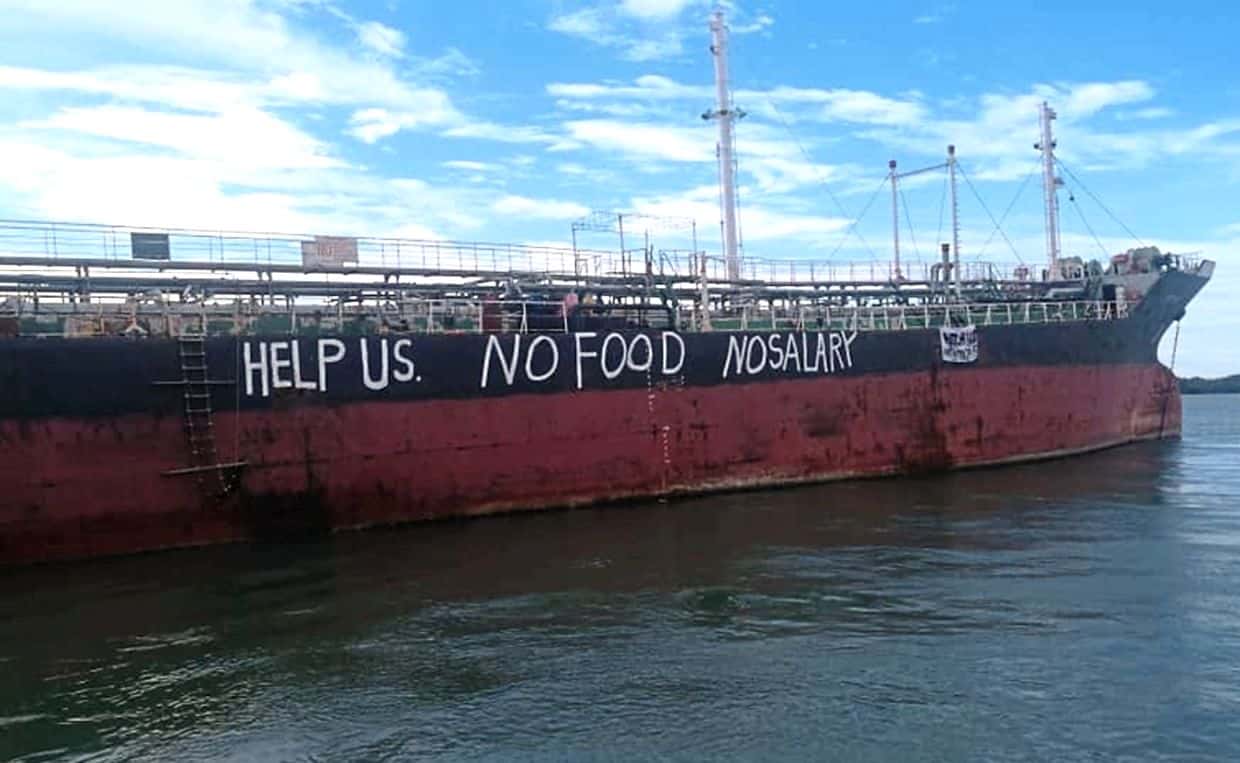
In a troubling trend for the maritime industry, the International Transport Workers’ Federation (ITF) has reported that seafarer abandonment has reached unprecedented levels in 2025. A staggering 6,223 seafarers were left stranded across 410 ships, marking a significant 31% surge in ship abandonments and a 32% rise in seafarer abandonment compared to the previous year. This alarming statistic highlights a persistent crisis that has continued for six consecutive years.
The Financial Toll on Abandoned Seafarers
The ITF’s findings reveal that seafarers collectively faced a staggering $25.8 million in owed wages due to these abandonments. Fortunately, the ITF has managed to recover and return $16.5 million of that amount to the affected seafarers. David Heindel, chair of the ITF Seafarers’ Section, expressed outrage at the ongoing issue, stating, “It’s nothing short of a disgrace that, yet again, we are seeing record numbers of seafarers abandoned by unscrupulous shipowners.” He emphasized the need for the maritime industry to unite in addressing the systemic issues that lead to such human and labor rights violations.
The International Maritime Organization (IMO) defines seafarer abandonment based on three key criteria: the failure to cover repatriation costs, leaving seafarers without necessary support, and unilaterally severing ties without paying wages for at least two months. The IMO and the International Labour Organization (ILO) maintain a joint database to document these cases.
Among the abandoned seafarers, those from India were the hardest hit, with 1,125 individuals affected. In response, the Indian government has announced plans to implement blacklisting measures aimed at protecting its seafarers from vessels with histories of abandonment and other malpractices. Filipino seafarers followed closely behind, with 539 reported abandonments, while Syrian seafarers faced 309 cases. The regions most impacted were the Middle East and Europe, with Türkiye and the United Arab Emirates leading in the number of abandonments, accounting for 61 and 54 cases, respectively.
Addressing the Crisis: ITF’s Proposed Solutions
The issue of abandonment is compounded by the prevalence of flag of convenience (FOC) vessels, which saw 337 ships—or 82% of the total abandonments—registered under such flags. In light of these troubling statistics, ITF general secretary Stephen Cotton has called for greater authority for the International Maritime Organization to coordinate efforts aimed at eliminating seafarer abandonment.
Abandoned suezmax off Yemen risks becoming fifth-largest tanker spill in history
The ITF has proposed several measures to tackle this growing crisis. Firstly, it advocates for flag states to be required to document a ship’s beneficial owner, including contact details, as a condition for registration. Secondly, the ITF suggests implementing national blacklisting of ships with repeated abandonment incidents to protect seafarers. Lastly, the organization urges governments to scrutinize the use of flags of convenience to mitigate the ongoing issue of abandonment in the maritime industry.
