
Shipbreaking Industry Faces Challenges Despite Regulatory Advances
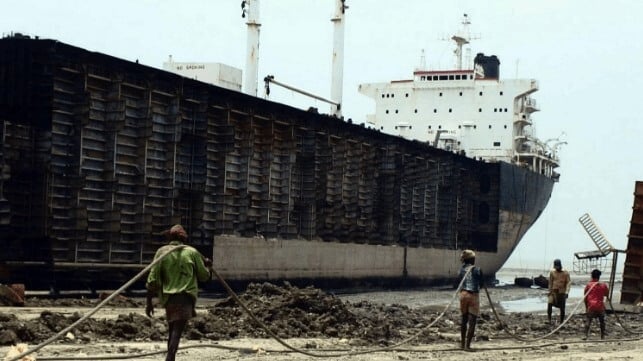
The NGO Shipbreaking Platform has released a report detailing the dismantling of ships in 2025, emphasizing the need for improved adherence to safety and environmental regulations within the industry. The report reveals that a total of 321 vessels were dismantled this year, a significant decline from over 400 ships dismantled annually in the previous three years and a stark contrast to the peak of over 1,000 ships per year a decade ago. This downturn is attributed to the extended lifespan of commercial vessels, driven by demand and uncertainty surrounding environmental regulations. The organization warns that as older ships begin to be dismantled, existing safety and environmental issues could worsen unless immediate action is taken.
The report highlights that 85% of the ships sold for dismantling in 2025 were sent to South Asia, with Bangladesh and India as the primary destinations. A total of 214 ships were dismantled in these countries, contributing to over 6 million gross tons of material. In comparison, Turkey received only 49 ships, while 44 ships were dismantled in other regions, and a mere 14 ships were processed within the European Union. The concentration of dismantling activities in South Asia raises concerns about the safety and environmental practices employed in these yards.
Safety Concerns and Regulatory Compliance
Despite the Hong Kong Convention coming into effect in mid-2025, which aims to enhance safety and environmental standards in shipbreaking, the performance of shipbreakers has shown little improvement. The convention mandates that all ships over 500 gross tons must have specific recycling plans that address hazardous materials. While Bangladesh has approved 17 yards under the convention, India has yet to authorize any of its more than 100 shipbreaking plots.
The report also highlights ongoing safety issues within the industry, with 11 workers reported dead and an estimated 62 injured in South Asian shipbreaking yards in 2025. One of the most alarming incidents involved an explosion on an oil tanker being dismantled in Bangladesh, injuring eight workers. The NGO Shipbreaking Platform calls for the International Maritime Organization (IMO) to enhance the convention’s requirements and update the standards, which have remained unchanged since their adoption in 2009.
Ingvild Jenssen, Executive Director and Founder of NGO Shipbreaking Platform, stresses the importance of phasing out the beaching method for dismantling ships. She advocates for stricter enforcement of the Basel Convention’s restrictions on hazardous waste trade, urging that accountability be shifted to the states controlling the owners of vessels intended for disposal.
Future Outlook and Ongoing Challenges
As the backlog of older ships begins to be dismantled, the NGO Shipbreaking Platform warns of the potential influx of hundreds of tankers, including those from the so-called shadow fleet. These vessels often evade regulations, with owners seeking cash or cryptocurrency deals to bypass sanctions. The report indicates that China remains a significant source of ships heading to South Asian shipbreakers, with 21 vessels sent last year, primarily to Bangladesh. South Korea and the UAE also contributed to this trend, despite the UAE’s new Ship Recycling Regulation prohibiting ships from leaving its territorial waters for beach scrapping.
The report underscores that European shipowners continue to utilize South Asian yards, often circumventing regulations. Turkey is one of the few non-EU destinations that can receive Western European-flagged end-of-life vessels, but scrutiny of its shipbreaking sector is increasing. The NGO Shipbreaking Platform continues its mission to combat environmental and human rights abuses in shipbreaking practices, aiming for safer and more environmentally sound dismantling processes worldwide as it approaches its 20th anniversary.
