
Shipping Activity in the Strait of Hormuz Shows Signs of Recovery Amid Ongoing Tensions
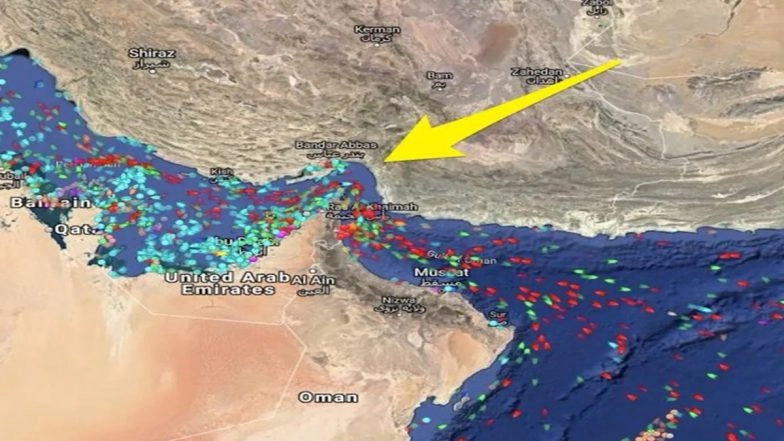
Shipping activity through the Strait of Hormuz has experienced a notable uptick over the past week, marking the highest level of vessel transits since the onset of conflict involving Iran on February 28. Recent data reveals a gradual increase in ship movements, indicating a potential easing of constraints in this critical energy corridor. Despite this positive trend, overall traffic remains significantly lower than pre-conflict levels, as countries and shipping operators continue to engage with Tehran to ensure safe passage.
Hormuz Strait Tracker: Gradual Increase in Vessel Movement
Vessel-tracking data indicates that 13 ships have transited the Strait of Hormuz since Friday morning, comprising 10 outbound vessels from the Persian Gulf and three inbound. The latest movements include a mix of liquefied petroleum gas (LPG) carriers, bulk carriers, and oil-product tankers. Notably, among the recorded vessels are ships linked to Iran and China, as well as an LPG carrier bound for India. Additionally, a French container ship and a Japanese-owned LNG tanker have crossed the strait, representing some of the first such transits since the conflict began.
The increase in shipping activity comes amid ongoing regional tensions, with former U.S. President Donald Trump recently stating that Iran has 48 hours to negotiate a deal or face consequences regarding the Strait of Hormuz. This statement underscores the geopolitical stakes involved in this vital maritime route, which is crucial for global energy supplies.
Iran Tightens Control Over Hormuz Strait Passage
In response to the ongoing situation, Iran has intensified its oversight of maritime traffic in the Strait of Hormuz. The country has implemented a system that directs vessels along a designated route close to its coastline. Most ships are now navigating through a narrow northern channel between Iranian islands, including Larak and Qeshm. This strategy has centralized shipping movements, granting Iranian authorities greater control over transit operations during heightened tensions.
However, monitoring ship movements in the region has become increasingly complex due to electronic interference and intentional shutdowns of tracking systems. Many vessels are opting to turn off their Automatic Identification System (AIS) transponders in high-risk areas, complicating real-time tracking efforts. Analysts suggest that transit figures may initially appear lower than actual numbers, as some ships resume signal transmission only after moving further away from the strait.
Suezmax Tanker Transits Persian Gulf Amid Easing Shipping Restrictions
Inbound and Outbound Trends
Since Friday, outbound traffic has included several bulk carriers and LPG tankers, while inbound movement has been limited, with only a few vessels entering the Persian Gulf. Reports indicate that some Iran-linked oil tankers are delaying signal transmission until reaching distant points, such as the Strait of Malacca, further complicating efforts to assess traffic in real time.
The Strait of Hormuz is a vital chokepoint for global energy supplies, with approximately 20% of the world’s oil and liquefied natural gas passing through it under normal conditions. Any disruption in this strait can have immediate and far-reaching implications for global energy markets and supply chains. While the recent increase in shipping activity suggests some stabilization, the situation remains fluid as geopolitical tensions continue to evolve.
