
Shipping Industry Shifts Focus to Tankers Amid Demand Surge
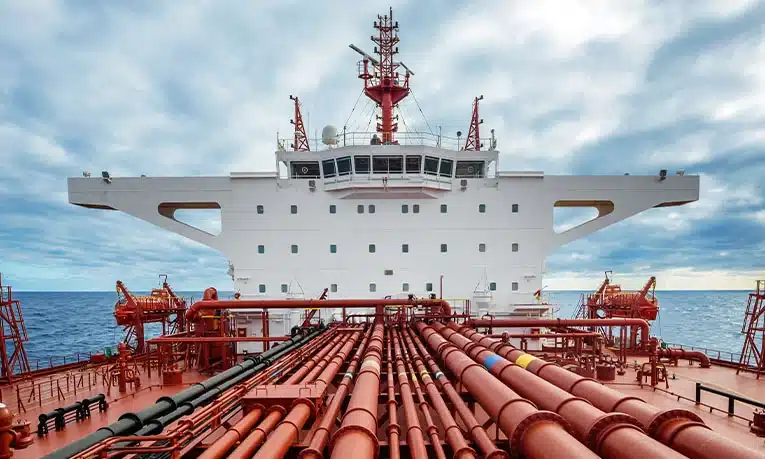
Global shipping companies are making a significant shift from ordering container ships to investing in tankers, driven by concerns over oversupply and a growing demand for crude oil transport. The tanker market is experiencing a surge as shipowners respond to rising freight rates and the need to replace aging vessels. With Chinese shipyards quickly filling their docks with new tanker orders, experts predict that Korean shipbuilders will gain increased pricing power in future negotiations.
Changing Orders Reflect Market Dynamics
On December 4, HD Hyundai Samho announced a pivotal change in its contract with Greece’s Capital Group, switching from the construction of four container ships to four 157,000 DWT crude oil tankers. This adjustment marks a significant shift in strategy, as the new vessels are among the largest that can navigate the Suez Canal when fully loaded. The delivery date has been moved up to October 31, 2028, and the project value has been adjusted from $466 million for container ships to $360 million for tankers.
Typically, altering the type of ship in a contract requires mutual agreement between the shipowner and the shipyard, often involving additional fees or commitments. However, the current market conditions are compelling shipowners to accept these costs. According to Clarksons Research, shipyards are increasingly accommodating requests to switch contracts to tankers, often in exchange for favorable terms such as price increases or the inclusion of eco-friendly specifications. This trend is expected to continue as the tanker market strengthens.
The disparity in supply and demand between container ships and tankers is a key factor driving this shift. The backlog of container ship orders has reached 34% of the existing fleet, indicating a potential oversupply in the future. In contrast, the tanker order backlog stands at only 17%, highlighting a critical shortage in tanker capacity. Recent geopolitical events, particularly the conflict in the Middle East, have further exacerbated this situation, leading to soaring freight rates. For instance, short-term charter rates for very large crude carriers (VLCCs) from the Middle East to China recently peaked at $480,000 per day.
Korean Shipbuilders Poised for Growth
As the demand for tankers rises, shipyards are rapidly filling their docks with new orders. Reports indicate that all 47 VLCCs ordered this year and a significant portion of Suezmax vessels are being constructed in Chinese shipyards. Major players like Hengli Heavy Industries and New Times Shipbuilding are nearing capacity, with slots booked through 2028. This situation is expected to benefit Korean shipbuilders, who may gain leverage in pricing negotiations as shipowners seek faster delivery times.
Industry analysts suggest that the current environment presents a unique opportunity for Korean shipyards. With strong freight rates bolstering shipowners’ financial capabilities, the prices for new tanker constructions are likely to remain elevated. Kang Kyung-tae, an analyst at Korea Investment & Securities Co., noted that the newbuilding tanker order market is anticipated to experience significant growth this year, with 97 new tanker orders placed globally from January to early March, a substantial increase from just 30 during the same period last year.
