
Shipping Market Faces Turbulent January
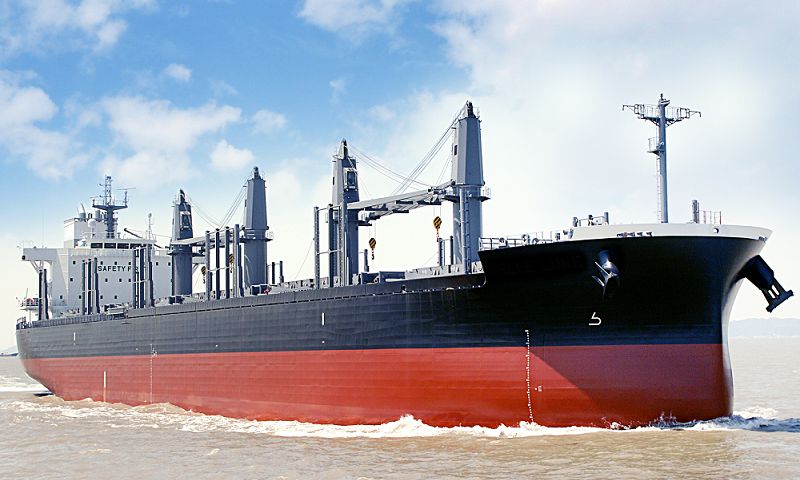
January has proven to be a challenging month for the shipping industry, marked by a significant decline in activity across various routes. The Baltic Dry Index, a key indicator of shipping costs, experienced a notable drop before staging a modest recovery. Factors such as fluctuating trade dynamics and seasonal production slowdowns in China have contributed to the market’s instability, raising concerns as the Lunar New Year approaches.
Market Decline and Recovery Efforts
At the beginning of January, the shipping market saw a stark lack of capesize fixtures, particularly on less active routes. Reports indicated that trading was sluggish, with brokers noting minimal activity until mid-month, primarily in northwest Europe and the Mediterranean. The Baltic Dry Index started the year at 1,882 points but fell to a low of 1,532 points by January 15. Fortunately, the index has since rebounded to 1,803 points, driven largely by the panamax market, particularly in the north Pacific region.
One of the key developments has been the increase in Chinese trade with Canada, which has boosted day rates for panamax vessels by 33% this year. However, the overall rates remain modest, averaging $12,899 for a 35 to 50-day round trip. The political landscape adds another layer of complexity, with former President Donald Trump threatening 100% tariffs on Canadian exports to the U.S. as a result of a new trade deal between Canada and China. This political tension is expected to continue influencing market conditions throughout 2026.
Freight Rates and Economic Concerns
China’s ongoing slowdown in steel production has also impacted the shipping market. The dollar-per-tonne rate for iron ore shipments from Hedland to Qingdao dropped significantly, from $10.10 in mid-December to $7.23 by January 15. Despite steady activity from mining companies, per-day rates fell sharply from $30,083 to $14,211 during the same period. However, as tonnage has been absorbed, rates have shown signs of recovery, reaching $8.63 per tonne and $21,529 per day for modern capesize vessels.
In the supramax and ultramax freight markets, January has been particularly harsh, with the S11 ultramax average declining by 7% to $12,593. Rates for voyages from China have plummeted, with the trip to West Africa dropping 16% to $9,500 per day. The Atlantic market has fared slightly better, with rates from the U.S. Gulf to Europe increasing by 5% to $22,979 per day. Meanwhile, handysize bulker freight rates have also suffered, with the H7 average down 13% to $10,698, reflecting a challenging environment for ship owners as they navigate through a month of significant fluctuations and uncertainties.
