
SS United States to Make Final Voyage as a Diving Reef
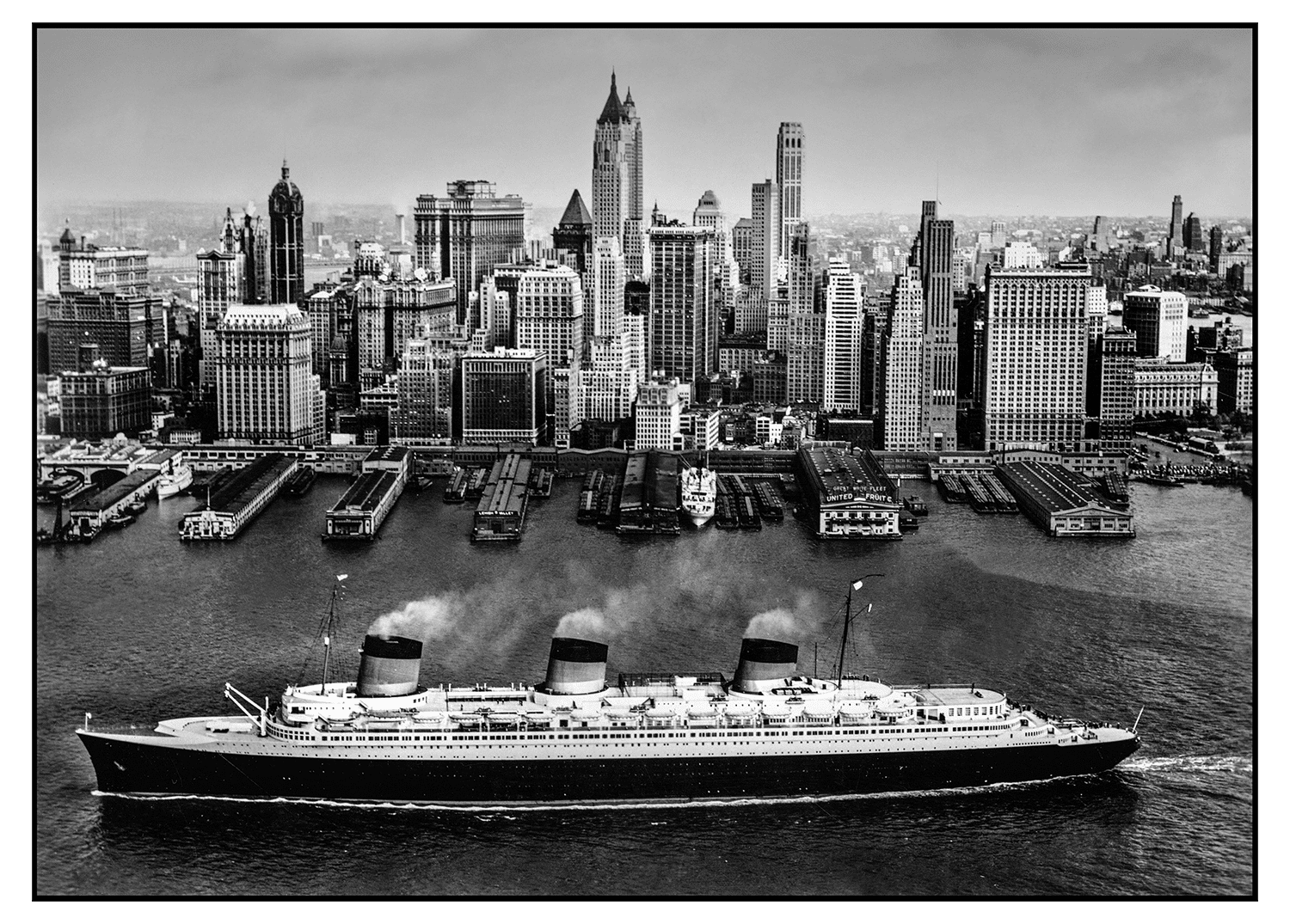
In a poignant farewell to maritime history, the SS United States, once the epitome of transatlantic luxury, is set to be lost at sea in the coming weeks. This iconic ocean liner, which made its maiden voyage in July 1952, has been a symbol of elegance and speed, holding the Blue Riband for the fastest transatlantic crossing by a passenger ship. After decades of deterioration and failed preservation efforts, the vessel will be towed and sunk off the Florida coast, transforming it into an artificial reef for divers.
The decision to sink the SS United States comes as the era of traditional ocean liners has long passed. The golden age of these majestic ships ended in the late 1960s when air travel became the preferred mode of intercontinental transport. Today’s cruise ships, while still providing passenger services, are designed more as floating resorts, lacking the engineering prowess and purpose of their predecessors. The SS United States, along with many other famous liners, has succumbed to the fate of obsolescence, with most having been dismantled for scrap metal in shipbreaking yards.
Legacy of the Great Ocean Liners
The decline of the ocean liner is evident in the fate of its contemporaries. The Cunard Line’s Queen Elizabeth 2 has found a new life as a hotel in Dubai, while the Queen Mary serves as a tourist attraction in Long Beach, California. Other notable vessels, such as Holland America Line’s Rotterdam, have also been repurposed. However, the SS United States will avoid the indignity of being reduced to scrap, opting instead for a burial at sea.
Currently, the only true transatlantic liner still in service is Cunard’s Queen Mary 2, which launched in 2003. This ship stands as a rare reminder of the past, operating on the historic Southampton to New York route. Cunard, now part of Carnival Corporation, recognizes the financial advantages of leisure cruising but continues to honor its heritage through events like “Letters Live,” which features readings of historic letters written by passengers aboard its ships.
The legacy of ocean liners extends beyond their physical presence. They were once floating showcases of culture and society, where notable figures like Rachmaninov and Mahler traveled, often creating art and literature during their voyages. The grandeur of these ships was reflected in their design, with interiors that evoked the elegance of English country houses and the chic of jazz-age Paris.
A Time Capsule of Maritime History
As the SS United States prepares for its final journey, it serves as a time capsule of an era when ocean travel was a significant part of life. The experience of crossing the Atlantic was not just about reaching a destination; it was a journey filled with reflection and connection. Passengers often wrote letters expressing their thoughts and emotions, capturing the essence of their experiences at sea.
Iconic 1,000ft cruise ship left to rot will now be sunk in ambitious plan | News
The art and architecture inspired by these great liners continue to influence modern design. Landmarks like the Cunard Building in Liverpool and the White Swan Hotel in Northumberland preserve elements of this bygone era. The stories and letters from passengers provide a glimpse into a time when ocean travel was both a necessity and a luxury, offering a unique opportunity for introspection and connection.
As the SS United States embarks on its final voyage, it marks the end of an era. The ocean liner, once a vital means of transport, has been replaced by faster, more efficient air travel. Yet, the memories and cultural significance of these majestic vessels endure, reminding us of a time when the journey was as important as the destination.
