
Strait of Hormuz Blockade Disrupts Global Oil Supply
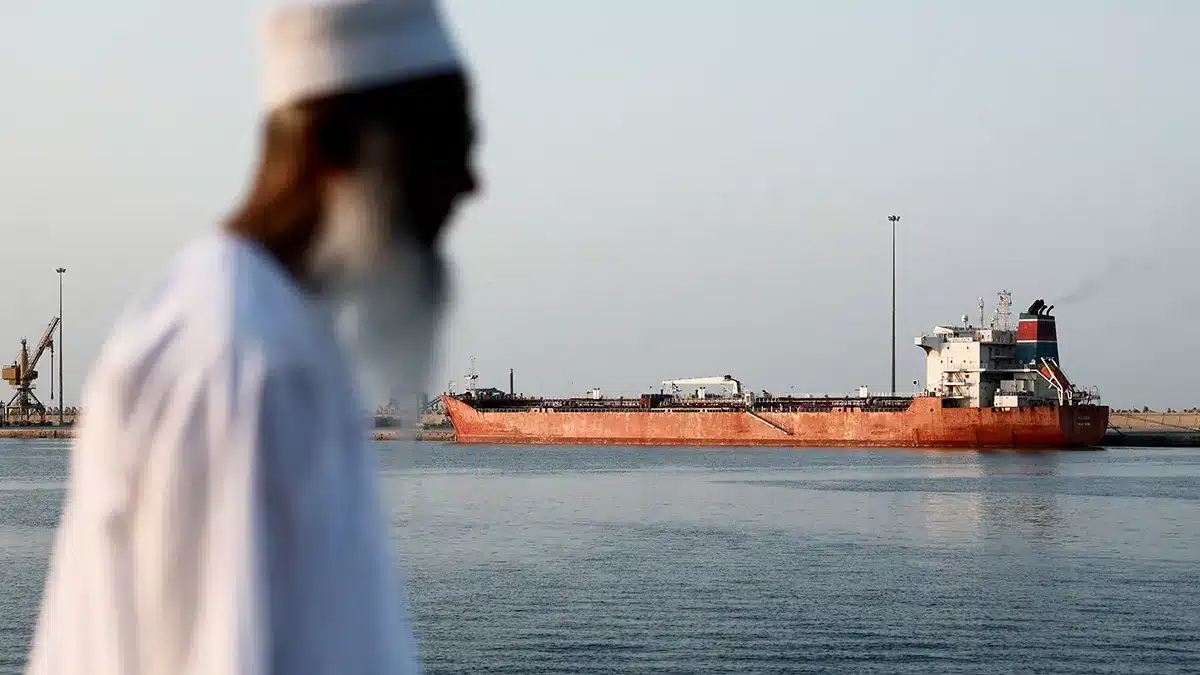
The Strait of Hormuz, a crucial maritime passage connecting the Persian Gulf to the Gulf of Oman, is currently under blockade by Iran. This narrow waterway, measuring just 34 kilometers in width, is vital for global oil transportation, with approximately 20% of the world’s oil passing through it daily. The ongoing conflict involving the United States and Israel against Iran has led to significant disruptions, preventing oil tankers, container ships, and bulk carriers from navigating through this essential route.
The Iranian regime has effectively closed the northern part of the Strait, halting the flow of oil from major producers such as Saudi Arabia, the United Arab Emirates, Iraq, and Qatar. Under normal circumstances, around 20 million barrels of oil transit through the Strait each day, but the blockade has drastically reduced this number. The situation has raised alarms, particularly in Europe, where reliance on oil and gas from this region has increased due to declining supplies from Russia amid the ongoing war in Ukraine.
Impact on Global Markets and Energy Security
The blockade has significant implications for global energy markets. European nations, which typically receive about 13% of their oil and 6% of their gas from the region, are now facing supply shortages. The inability to export liquefied natural gas from Qatar and the Emirates further exacerbates the crisis. As tensions escalate, the price of oil is expected to rise sharply if the situation remains unchanged.
Reports indicate that since the announcement of the blockade, fewer than 100 ships have successfully passed through the Strait, a stark contrast to the usual flow of over a thousand vessels. This decline in maritime traffic not only affects oil prices but also poses risks to global energy security. The United States has struggled to break the Iranian blockade, despite ongoing military actions against the Iranian Revolutionary Guard, which have reportedly resulted in significant casualties among its ranks.
Strait of Hormuz Sees Dramatic Decline in Shipping Traffic Amid Ongoing Conflict
As the conflict continues, the repercussions of the blockade could extend beyond energy markets, impacting economies worldwide. The situation remains fluid, and stakeholders are closely monitoring developments in the Strait of Hormuz, as any further escalation could lead to a more profound crisis in global oil supply and pricing.
Historical Context and Strategic Importance
The Strait of Hormuz has long been recognized as a strategic chokepoint in global trade and energy supply. Its geographical significance is underscored by its location at the eastern edge of the Arabian Peninsula, bordered by Iran to the north and Oman to the south. Historically, this region has been a focal point for geopolitical tensions, particularly concerning oil transportation.
The Strait’s importance is not only economic but also historical, as it has been referenced in various cultural narratives, including biblical accounts. The ongoing conflict in the area highlights the delicate balance of power and the potential for disruption in a region that plays a critical role in the global economy.
