
Streamlined Shipping: Your Guide to Panama
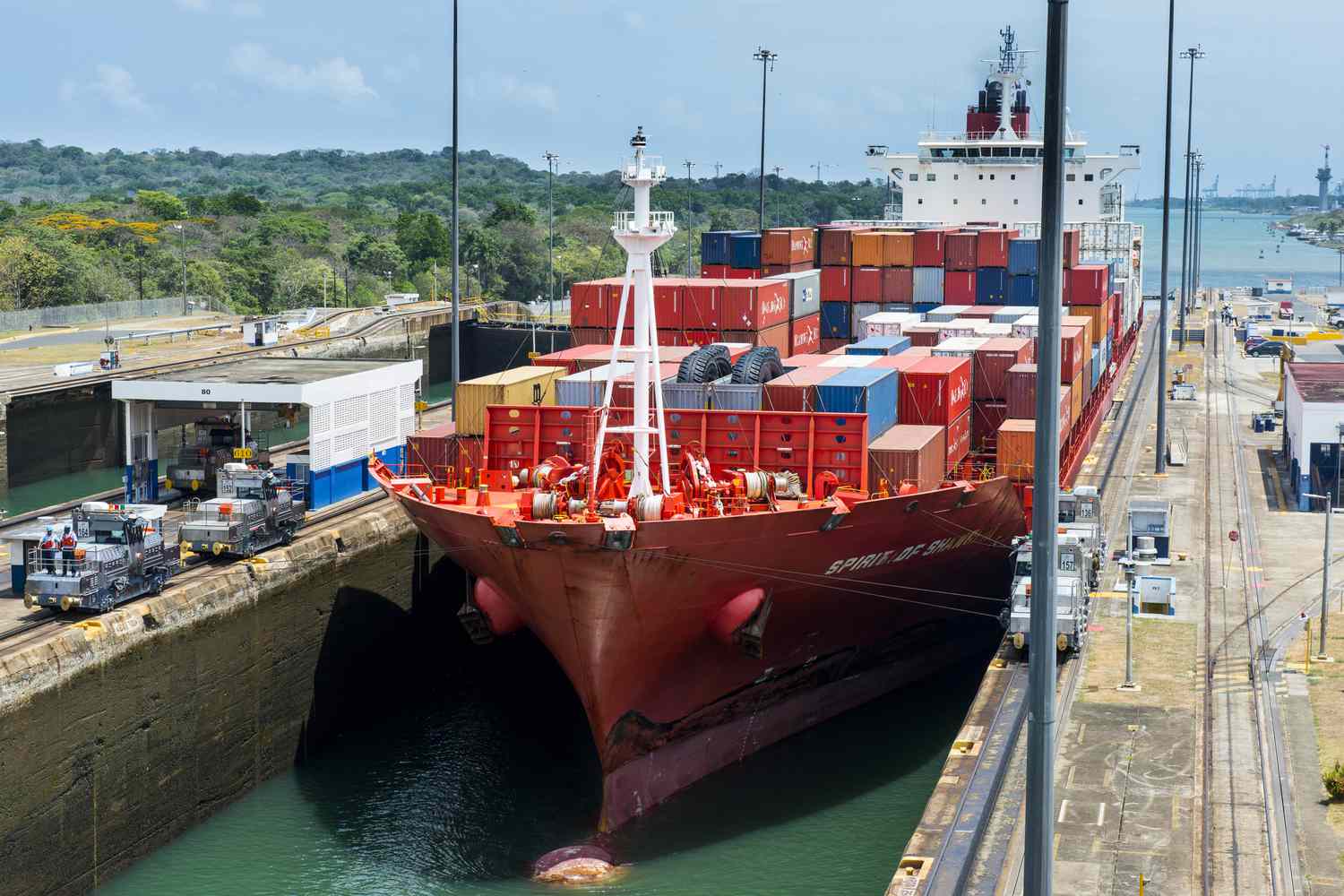
Exporting goods to and from Panama is becoming increasingly popular among businesses and individuals alike. Thanks to its strategic location and robust logistics infrastructure, Panama serves as a vital gateway connecting North America, South America, Europe, and Asia. Understanding the shipping process can save time, money, and stress for anyone looking to navigate this bustling trade hub. This guide provides essential information on shipping methods, costs, customs regulations, and expert tips to ensure a smooth transportation experience.
Common Types of Goods Shipped To and From Panama
Panama plays a crucial role in global trade, thanks to its unique position linking major oceans and continents. Recent investments in new ports, logistics parks, and transportation systems have enhanced the efficiency of goods movement in and out of the country. For exporters and importers, this translates to reduced transit times, lower shipping rates, and access to developed maritime and air cargo services.
Panama tightens shipping registry over “dark fleet” concerns
Some of the most commonly exported and imported goods in Panama include:
- Electronic products and appliances
- Automotive parts and equipment
- Food and agricultural products
- Textiles and apparel
- Construction materials
- Pharmaceuticals and medical suppliesIt’s important to note that certain goods may require special permits or inspections. Therefore, verifying regulations before shipping is essential to avoid complications.
Shipping Methods Available
Choosing the right shipping method is crucial and depends on factors such as budget, urgency, and the type of cargo. The most commonly used shipping methods include:
Ocean Freight
Ocean freight is the most economical option for heavy or large shipments. It is ideal for bulk goods, containers, and non-urgent cargo. While transit times are longer, this method is cost-effective and well-suited for businesses looking to save on shipping expenses.
Air Freight
For those needing speed, air freight is the fastest shipping option. It is particularly useful for high-value items or time-sensitive shipments. Although more expensive, air freight offers reliability and minimizes the risk of damage during transit.
Multimodal Shipping
Multimodal shipping combines ocean, air, and land transport to optimize costs and delivery times. This method is commonly used for complex supply chains, allowing for flexibility and efficiency in logistics.
Shipping Timelines and Transit Expectations
Transit times vary based on the origin and destination of the shipment, as well as the chosen shipping method.
- Ocean Freight: Typically takes several weeks. Shipping distances are measured in nautical miles, with one nautical mile equaling 1.15 statute miles. A sea freight vessel usually traverses the Panama Canal in about 10 hours, but total shipping time will depend on the departure and arrival ports.
- Air Freight: Generally takes only a few days, making it a faster option for urgent shipments.When planning shipping timelines, it’s essential to account for potential delays due to weather, inspections, or congestion at ports.
Understanding Shipping Costs
Shipping costs to and from Panama can vary significantly based on several factors. Understanding these factors can help in budgeting effectively. Key cost determinants include:
- Cargo weight and volume
- Shipping method
- Distance and route
- Fuel surcharges
- Customs duties and taxes
- Insurance coverageTo avoid unexpected fees, it is advisable to request detailed quotes from freight forwarders.
Essential Shipping Documents
Proper documentation is vital for smooth customs clearance. Missing or incorrect paperwork can lead to delays and fines. Commonly required documents include:
- Commercial invoice
- Packing list
- Import or export permits (if necessary)Ensuring accuracy and consistency in documentation is crucial for successful shipping.
Customs Regulations and Compliance
Panama enforces strict customs regulations that must be followed. Imported and exported products are assessed, taxed, and charged based on their classification. To maintain compliance, shippers should:
- Accurately classify goods using HS codes
- Declare correct values
- Check for any containment or prohibition regulations
- Work with licensed customs brokersAdhering to these regulations helps prevent delays and fosters trust with authorities, which is beneficial for repeat shipments.
Packaging and Labeling Best Practices
Effective packaging is essential for protecting goods during transit. Poor packaging is a leading cause of damage. Best practices include:
- Using durable, export-grade materials
- Clearly labeling packages with destination information
- Including handling instructions (e.g., fragile, keep dry)
- Securing products to prevent movementProper labeling also expedites customs checks and delivery.
Choosing the Right Freight Forwarder
Selecting a reliable freight forwarder can significantly impact the shipping experience. They handle transportation, documentation, and customs clearance. When choosing a forwarder, consider:
- Experience with Panama routes
- Transparent pricing
- Strong customer support
- Knowledge of customs regulationsA dependable partner can mitigate risks and simplify the shipping process.
Insurance: Protecting Your Shipment
Shipping insurance is often overlooked but is crucial for safeguarding goods. Despite careful planning, accidents and delays can occur. Cargo insurance provides:
- Financial protection against loss or damage
- Peace of mind during transit
- Coverage based on the value of the shipmentInvesting in insurance is a cost-effective way to protect against potential losses.
Tips for Smooth Shipping To and From Panama
To ensure a hassle-free shipping experience, consider the following tips:
- Arrange deliveries well in advance.
- Triple-check all paperwork.
- Stay updated on customs regulations.
- Maintain effective communication with your logistics service.
- Regularly track shipments.Successful international shipping relies on consistency and thorough planning.
Common Mistakes to Avoid
Even experienced shippers can make mistakes. To avoid common pitfalls, steer clear of:
- Underestimating shipping costs
- Submitting incorrect documentation
- Violating customs requirements
- Choosing the lowest price without verifying reliability
Exporting and importing goods in Panama can be a smooth and rewarding experience when approached correctly. With its strategic location and advanced logistics infrastructure, Panama offers excellent opportunities for global trade. By selecting the right shipping options, completing necessary paperwork, adhering to customs regulations, and collaborating with trusted logistics partners, shippers can ensure efficient and safe transportation. Adequate planning and informed decision-making are key to successful shipping to and from Panama.
