
Suezmax Tanker Transits Persian Gulf Amid Easing Shipping Restrictions
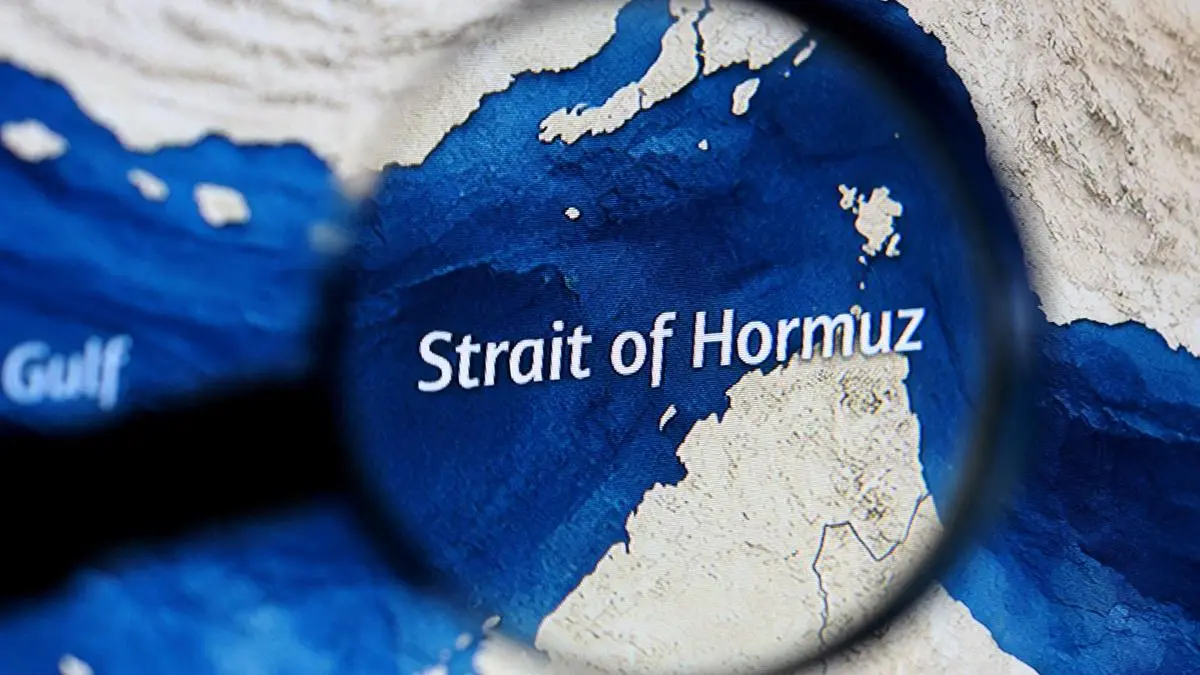
A Suezmax oil tanker, the Ocean Thunder, successfully navigated the Persian Gulf on Sunday morning, transporting approximately 1 million barrels of Iraqi crude oil. This significant movement follows Iran’s recent exemption of Iraq from shipping restrictions, which was announced just a day prior. The tanker crossed the Strait of Hormuz, a vital maritime passage for global oil trade, as vessel-tracking data from Bloomberg indicates a notable uptick in traffic through this critical waterway.
Despite the increase in transits, the volume remains significantly lower than pre-war levels. Over the past week, the region has seen the highest seven-day rolling average of crossings since the onset of conflict, yet the numbers are still a fraction of normal operations. It remains uncertain whether Iran’s exemption for Iraq will extend to all vessels calling at Iraqi ports or how it will be enforced. If broadly applied, this exemption could potentially facilitate the export of up to 3 million barrels of oil daily and enable the resumption of production from previously shuttered fields, contingent on shippers’ willingness to operate in the Gulf.
Recent Outbound and Inbound Transits
On Saturday, a total of eight vessels, including five bulk carriers and three oil-product tankers, exited the Persian Gulf. The following day, two additional oil tankers and a liquefied petroleum gas (LPG) carrier also made their way out of the Gulf. Notably, four of the bulk carriers originated from Iranian ports, with two reported to have delivered food supplies. The Ocean Thunder traversed Iran’s newly established toll route between the Qeshm and Larak islands, a path that has become increasingly common for vessels navigating the area.
In addition to the Ocean Thunder, the products carrier Ratta and the LPG carrier Green Asha were observed following the same outbound route, with Green Asha heading toward India. Two smaller Indian cargo ships were also noted departing the Gulf, although they lack International Maritime Organization (IMO) numbers and are not included in the official transit count. The presence of vessels “going dark” in high-risk waters may lead to initial underreporting of transit counts, which could be revised as more data becomes available.
Challenges in Vessel Tracking
Tracking maritime traffic in the region poses significant challenges due to electronic interference with ships’ signals. Many vessels disable their Automatic Identification System (AIS) transponders in high-risk areas, complicating the accuracy and timeliness of tracking data. To mitigate this, automated positioning signals are compiled over a broad area, including the Gulf of Oman, the Arabian Sea, and the Red Sea, to identify potential transits into or out of the Persian Gulf.
Once potential movements are detected, signal histories are scrutinized to ascertain the authenticity of the transits, as spoofing can distort a ship’s apparent location. Some vessels may not be detected if their transponders remain inactive. Notably, Iran-linked oil tankers often travel from the Persian Gulf without broadcasting their signals until they reach the Strait of Malacca, which can take about ten days after departing from Fujairah in the UAE. This tracker aims to capture traffic across all classes of commercial shipping during a period of heightened tensions involving Iran.
