
Thai Oil Tanker Navigates Strait of Hormuz Amid Ongoing Conflict
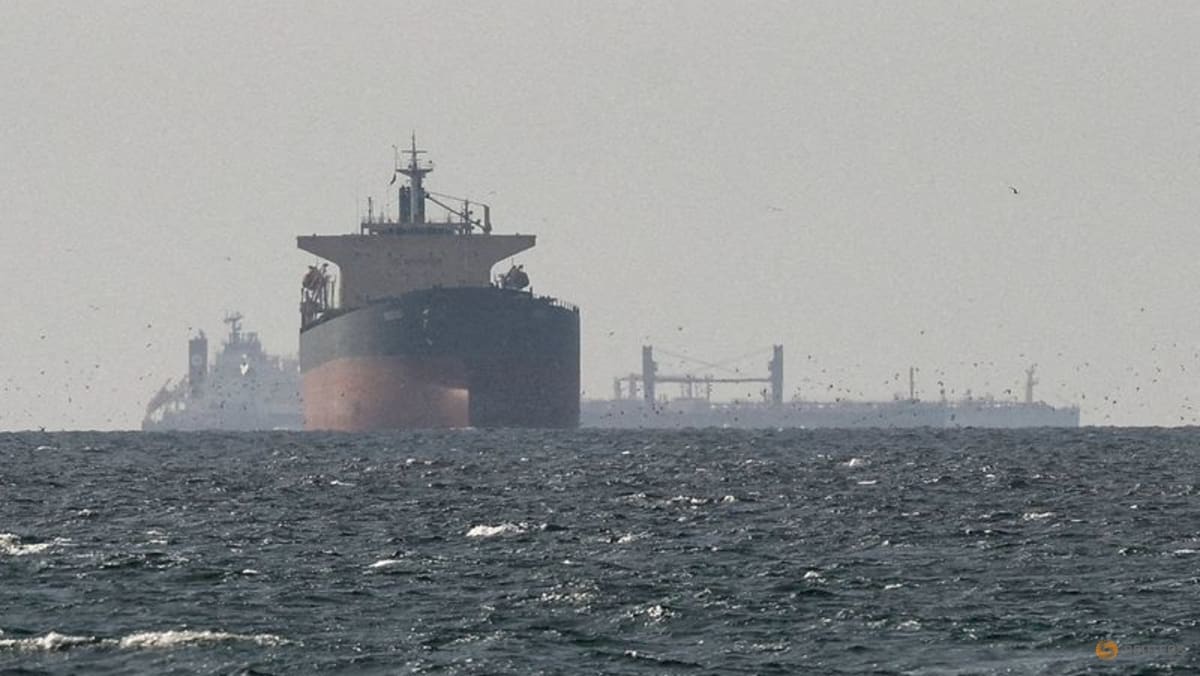
BANGKOK: A Thai oil tanker successfully traversed the Strait of Hormuz on Monday, March 25, following diplomatic negotiations between Thailand and Iran. This development comes as the region faces significant disruptions due to the ongoing US-Israeli conflict with Iran, which has impacted global oil and liquefied natural gas deliveries. The Bangchak Corporation, which owns the vessel, confirmed that no payment was required for the tanker’s safe passage.
Successful Diplomatic Coordination
The successful transit of the Bangchak-owned tanker was made possible through effective communication between Thai Foreign Minister Sihasak Phuangketkeow and Iran’s ambassador to Thailand. Sihasak had requested assistance to ensure the safe passage of Thai vessels through the strategically vital waterway. In response, Iranian officials assured him that they would facilitate the transit and requested the names of the vessels involved.
The Strait of Hormuz is a critical chokepoint for global oil shipments, with approximately one-fifth of the world’s oil and liquefied natural gas passing through it. Since the conflict escalated on February 28, Thailand has experienced rising transportation costs and longer queues at gas stations, despite government assurances of adequate supply. The recent safe passage of the Bangchak tanker is particularly noteworthy, coming just two weeks after the Thailand-flagged bulk carrier Mayuree Naree was struck by a projectile in the strait, resulting in a fire and the evacuation of its crew.
The Thai foreign ministry is currently awaiting updates on the status of three crew members who went missing following the Mayuree Naree incident. Additionally, another Thai vessel owned by SCG Chemicals is pending clearance to transit the strait, as confirmed by Sihasak.
Strengthening Ties Between Thailand and Iran
In a statement, Bangchak Corporation noted that its tanker had been anchored in the Persian Gulf since March 11 and is now en route back to Thailand. The company attributed the successful transit to the collaborative efforts of Thailand’s foreign ministry and Iranian authorities. Sources from both Bangchak and the Thai foreign ministry indicated that no financial transactions were involved in securing the tanker’s passage.
Iran has communicated to the United Nations Security Council and the International Maritime Organization that “non-hostile vessels” can transit the Strait of Hormuz if they coordinate with Iranian authorities. To facilitate the Bangchak tanker’s journey, the Thai embassy in Muscat also coordinated with Omani officials, working alongside Iranian representatives in Bangkok.
In a show of goodwill, Iran’s embassy in Thailand remarked on social media that the successful passage of the Thai vessel underscores the strong ties between the two nations, stating, “Friends have a special place.” This diplomatic success highlights the importance of international cooperation in ensuring maritime safety amid regional tensions.
