
The IMO sub-committee on navigation, communications, search and rescue (NCSR 13)
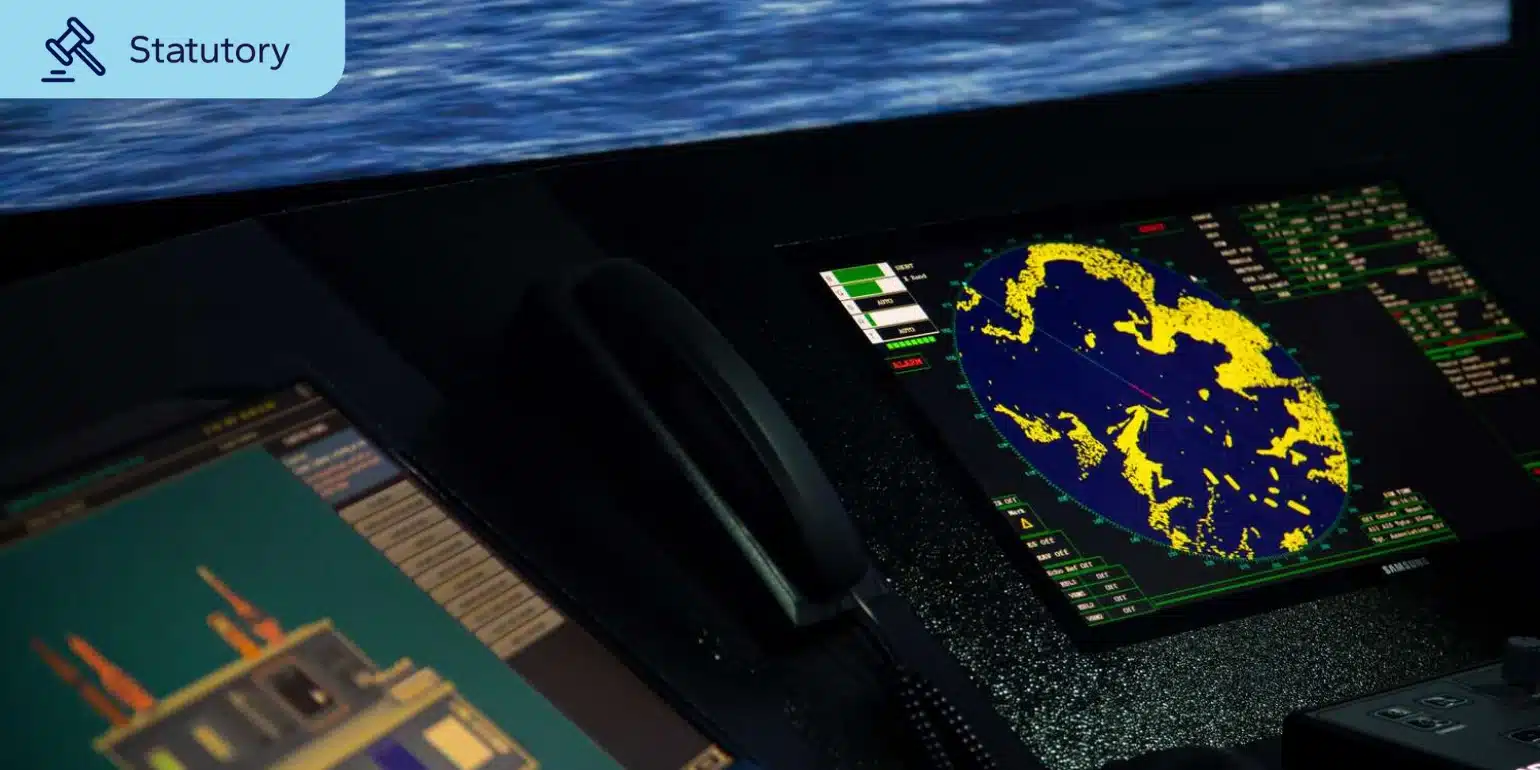
NCSR 13 Advances Maritime Digitalization and Safety Standards
The 13th session of the International Maritime Organization’s (IMO) Sub-Committee on Navigation, Communications, Search and Rescue (NCSR 13) took place from 22 to 26 June 2026. During this session, significant progress was made in advancing maritime digitalization and enhancing safety standards across the industry.
Finalized Guidance for Next-Generation ECDIS S-100 Implementation
One of the key outcomes of NCSR 13 was the finalization of draft guidance to support the introduction of next-generation Electronic Chart Display and Information Systems (ECDIS S-100). This guidance aims to enhance navigation safety by providing real-time electronic chart display combined with updated digital information from maritime services.
Transition Scheme for Digital VHF Voice Communication
Additionally, NCSR 13 agreed on a transition scheme for the gradual shift from analogue to digital VHF voice communications. This scheme includes the development of digital channels while maintaining existing analogue channels for safety purposes to ensure uninterrupted distress, urgency, and safety communications within the Global Maritime Distress and Safety System (GMDSS).
Road Map for Implementing NAVDAT
Furthermore, NCSR 13 updated the road map for the implementation of NAVDAT, a framework for digital broadcasting of navigational warnings, meteorological forecasts, safety messages, and search and rescue information from shore to ship. This step-by-step approach aims to ensure the seamless integration of NAVDAT alongside the current terrestrial NAVTEX system.
Future Developments and Recommendations
Looking ahead, NCSR 13 also discussed draft IMO positions for the upcoming World Radio Conference in 2027, focusing on maintaining regulatory standards that do not impede GMDSS and other maritime safety services. Additionally, guidelines were developed for Emergency Position-Indicating Radio Beacons (EPIRBs) utilizing two-way communication services.
As decisions made by NCSR 13 are subject to approval by the Maritime Safety Committee (MSC), industry stakeholders are advised to stay informed on the outcomes of MSC 112 in December 2026. DNV recommends that customers monitor upcoming statutory requirements through the Compliance Planner to ensure compliance with evolving safety standards.
In conclusion, NCSR 13’s advancements in maritime digitalization and safety standards are crucial steps towards enhancing navigation safety and communication within the maritime industry. By finalizing guidance for ECDIS S-100, establishing a transition scheme for digital VHF voice communications, and updating the road map for NAVDAT implementation, NCSR 13 sets the stage for a safer and more efficient maritime environment.
