
The SS United States: A Final Farewell to a Maritime Icon
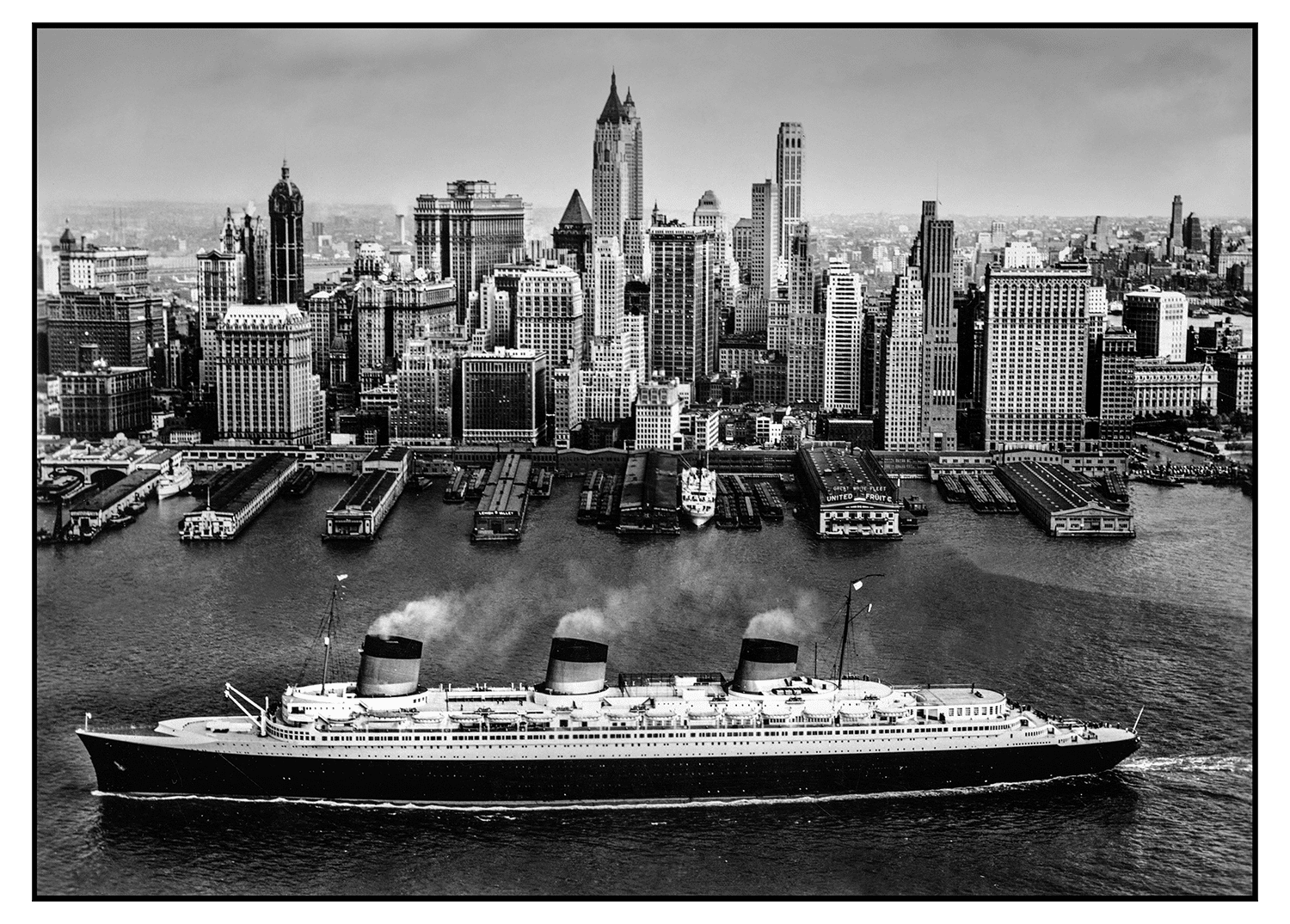
In the coming weeks, the SS *United States*, one of the most iconic ocean liners in history, will embark on its final journey. Launched in July 1952, the *United States* was celebrated for its sleek design and unmatched speed, holding the Blue Riband for the fastest transatlantic crossing by a passenger ship. After decades of deterioration and unsuccessful preservation efforts, this legendary vessel will be towed and sunk off the coast of Florida, transforming into an artificial reef. This decision, while heartbreaking for maritime enthusiasts, may be the most dignified conclusion for a ship that once symbolized the golden age of ocean travel.
The era of the ocean liner began to fade in the late 1960s as air travel became the preferred mode of long-distance transportation. Today’s cruise ships, often likened to floating resorts, differ significantly from the true ocean liners of the past. These vessels were engineered for efficiency and comfort, providing intercontinental service across all seasons and weather conditions. Most of the great ocean liners have already met their end, with notable examples like Cunard’s *Queen Elizabeth 2* now retired in Dubai, and the *Queen Mary* serving as a tourist attraction in Long Beach, California. The *United States* will avoid the fate of being dismantled for scrap, a common end for many of its contemporaries.
The Legacy of Ocean Liners in Modern Travel
Currently, only one authentic transatlantic liner remains in service: Cunard’s *Queen Mary 2*, which launched in 2003. This ship is a rare exception in a cruise industry dominated by leisure-focused vessels. Cunard has capitalized on its storied heritage, promoting its ships as successors to the classic liners of the mid-20th century. The company has even created *Letters Live*, a series of staged readings featuring historic letters written by passengers aboard their ships. This initiative has attracted notable performers, including Benedict Cumberbatch and Olivia Colman, showcasing the rich literary history associated with ocean travel.
The ocean liner experience was not just about transportation; it was a cultural phenomenon. Renowned figures like Rachmaninov and Gustav Mahler traveled aboard these ships, often using the time at sea for creative pursuits. The liners provided a unique environment for leisure and reflection, allowing passengers to escape the pressures of daily life. The luxurious interiors of ships like the *Queen Mary* and the *Normandie* reflected national tastes and artistic trends, making them floating showcases of culture and design.
Legendary abandoned cruise ship SS United States left to rot for 30yrs makes
As the *United States* prepares to sink, it symbolizes the end of an era. The ocean liner, once a vital part of transatlantic travel, has largely disappeared from modern life. While the convenience of air travel has rendered long sea voyages obsolete, the allure of ocean liners remains in the memories and stories they created. The legacy of these vessels lives on through art, literature, and the nostalgia of those who experienced their grandeur. As we bid farewell to the *United States*, we also acknowledge the profound impact these ships had on maritime history and culture.
