
Tragic Legacy of Tokaimura Nuclear Accident
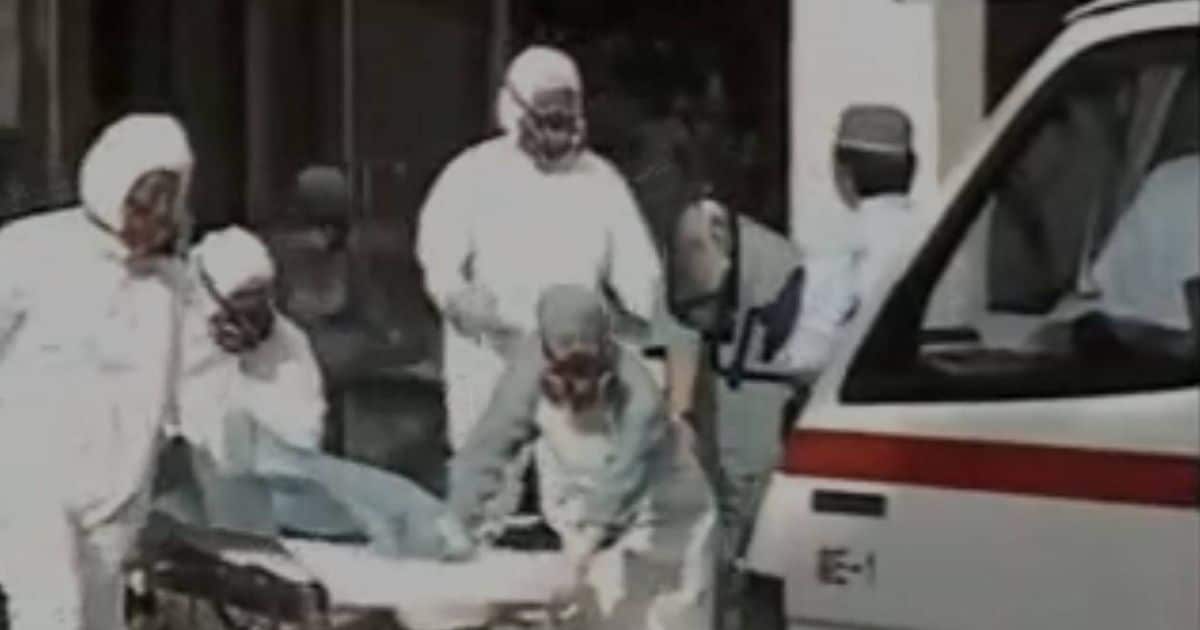
Hisashi Ouchi, a 35-year-old technician, endured the highest recorded radiation dose in history during a catastrophic accident at the Tokaimura uranium processing facility in Japan. The incident, which occurred on September 30, 1999, resulted in 83 days of unimaginable suffering for Ouchi, who ultimately succumbed to his injuries. This tragic event has since raised critical questions about nuclear safety and the ethical responsibilities of the industry.
Catastrophic Incident at Tokaimura
On a seemingly routine day at the Tokaimura facility, a criticality accident unfolded due to a single error made under pressure. Hisashi Ouchi, along with his colleagues Masato Shinohara and supervisor Yutaka Yokokawa, mistakenly poured 16 kilograms of uranium into a processing vessel, far exceeding the safe limit of 2.4 kilograms. This miscalculation triggered an uncontrolled nuclear reaction, releasing lethal radiation throughout the facility.
As emergency sirens sounded, the three workers were exposed to unprecedented levels of radiation. Ouchi faced a staggering dose of 17,000 millisieverts (mSv), the highest ever recorded. For context, most individuals exposed to such extreme radiation levels typically succumb within days. However, Ouchi’s survival against the odds led to his immediate transfer to the University of Tokyo Hospital, where he was placed in isolation due to a severe deficiency of white blood cells and a complete lack of immune response.
Despite the dire circumstances, medical professionals attempted various experimental treatments, including stem cell therapies and skin transplants. Unfortunately, Ouchi’s condition continued to deteriorate, leading to severe internal damage and organ failure. His suffering was compounded by excruciating pain, fluid accumulation in his lungs, and the need for multiple blood transfusions daily.
Shipping’s nuclear option in the move towards net zero: Is it viable?
Enduring Suffering and Lasting Impact
Over the course of 83 harrowing days, Ouchi’s body underwent horrific changes. His skin peeled away, and he experienced severe internal distress, including daily episodes of diarrhea. Reports indicate that he often expressed his anguish, pleading with doctors to end his suffering. His death on December 21, 1999, marked the end of a prolonged and painful ordeal, ultimately attributed to multiple organ failure.
The Tokaimura incident not only claimed Ouchi’s life but also highlighted significant flaws in nuclear safety protocols. The accident prompted a comprehensive review of Japan’s nuclear regulations and ignited global discussions about safety standards and ethical responsibilities in the nuclear industry. In the aftermath, approximately 310,000 residents living within six miles of the facility were advised to remain indoors for 24 hours, and over 10,000 individuals were screened for radiation exposure, revealing more than 600 cases of low-level exposure.
Ouchi’s tragic story remains a poignant reminder of the potential consequences of human error in high-stakes environments. His colleague Masato Shinohara also succumbed to organ failure in 2000, while Yutaka Yokokawa, the least exposed, survived but was left with lasting scars from the incident. The Tokaimura accident serves as a critical case study in the ongoing discourse surrounding nuclear safety and the ethical implications of such technologies.
