
Trump Administration Unveils New Cargo Tax Plan
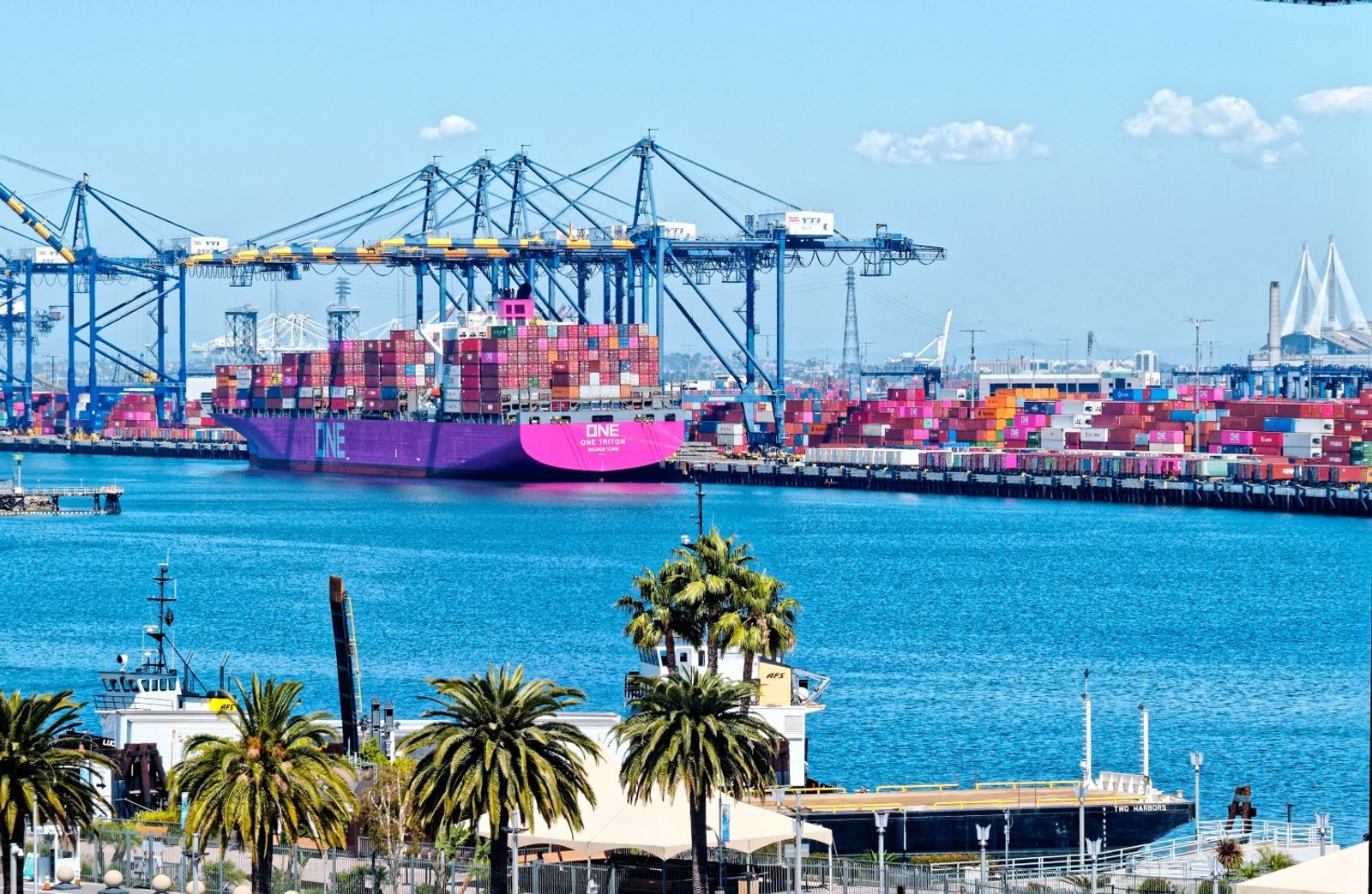
The Trump administration has introduced a bold proposal aimed at revitalizing the U.S. commercial shipbuilding industry and enhancing port infrastructure. Announced on Friday, the plan includes new cargo taxes on foreign-built vessels entering U.S. ports. This initiative is part of a broader strategy to bolster domestic maritime capabilities and ensure national security.
Details of the Proposed Cargo Taxes
Under the proposed “Maritime Action Plan,” the administration seeks to impose a fee on all foreign-built commercial vessels that transport goods into the United States. This tax will be calculated based on the weight of the imported cargo, although specific rates have yet to be determined. Estimates suggest a potential tax range from 1 cent per kilogram, which could generate approximately $66 billion over ten years, to a more substantial 25-cent tax that could raise up to $1.5 trillion.
The revenue generated from these taxes would be allocated to a newly established Maritime Security Trust Fund. This fund is intended to support shipbuilding investments, enhance the U.S. merchant marine, and promote workforce development in the maritime sector. Previously, the Office of the U.S. Trade Representative had imposed fees on Chinese vessels entering U.S. ports, but those fees were suspended following a trade agreement last October. The new universal service fee aims to be broader and is not directly linked to any specific trade remedy under current U.S. law.
Additionally, the proposal includes the introduction of a Land Port Maintenance Tax, which would mirror the existing Harbor Maintenance Tax. Currently, cargo ships entering U.S. seaports are subject to a 0.125 percent tax on the merchandise value, which funds harbor maintenance and dredging projects. The new tax would apply to cargo entering through land ports, addressing concerns about the diversion of cargo from U.S. ports and creating a more equitable environment for land and sea transportation.
Sweeping Legislative Approach Proposed to Revitalize U.S. Merchant Marine
Legislative Proposals and Future Plans
The report, released by Secretary of State Marco Rubio and Office of Management and Budget Director Russ Vought, outlines additional legislative proposals for Congress to consider. These include tax incentives aimed at reducing the after-tax costs associated with vessel construction and shipyard investments. The administration also proposes the establishment of “Maritime Prosperity Zones,” inspired by Opportunity Zones from the 2017 tax overhaul. These zones would facilitate reinvestment in waterfront communities and maritime industries.
Furthermore, the administration aims to expand the Maritime Administration’s Capital Construction Fund program, allowing U.S. vessel owners to defer taxes on earnings used for shipbuilding and infrastructure investments. Rubio and Vought highlighted previous bipartisan legislative efforts that align with these goals, including a package led by Senators Mark Kelly and Todd Young, as well as Representatives Trent Kelly and John Garamendi. This package proposes a similar Maritime Security Trust Fund funded by existing customs fees and penalties.
