
Trump’s Bold Plan to Revitalize U.S. Shipbuilding
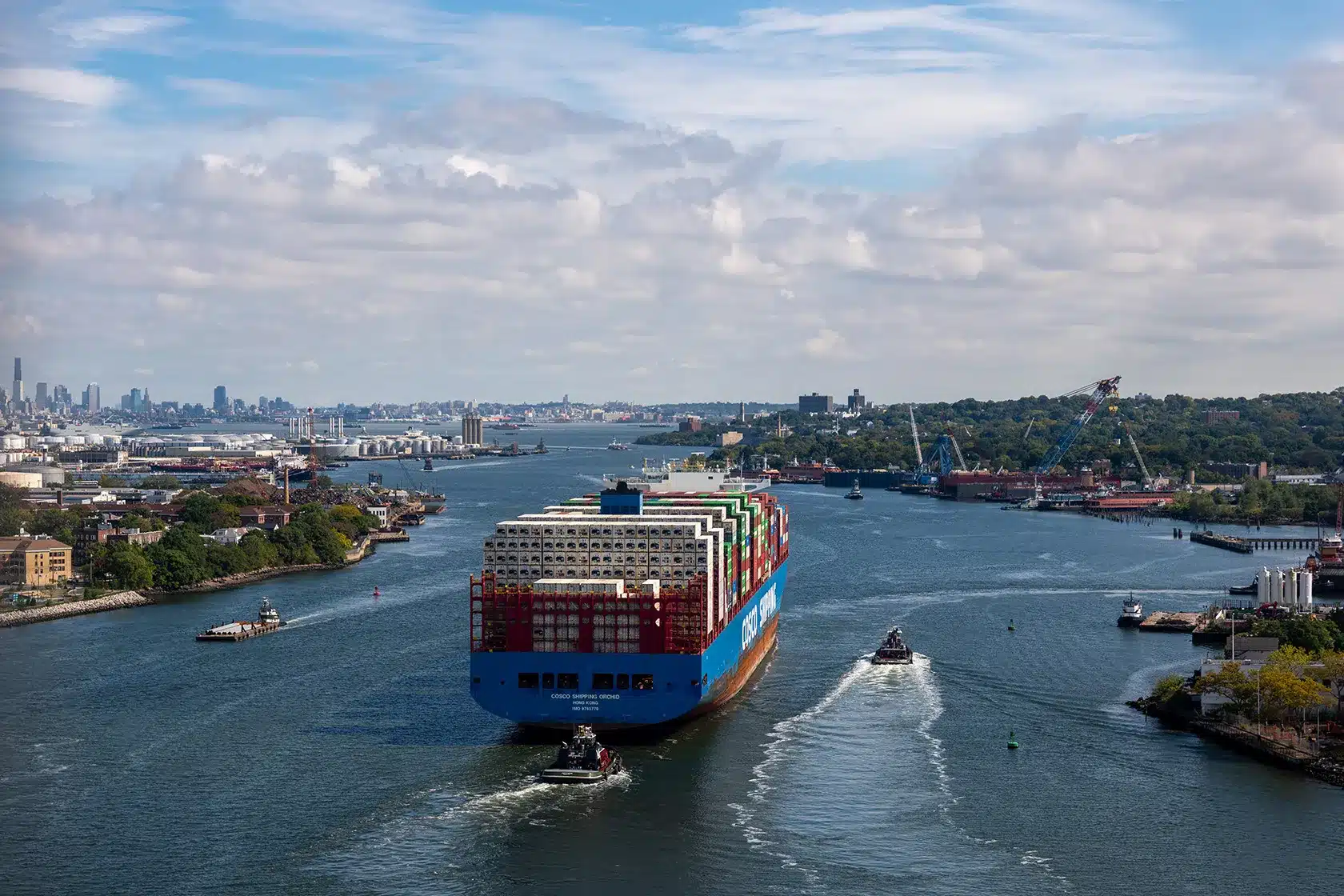
President Donald Trump is spearheading an ambitious initiative to rejuvenate the U.S. shipbuilding industry, a critical component of national security. This effort, part of his “Make America Great” agenda, aims to increase domestic ship production, but experts warn that collaboration with foreign entities will be essential for success. The administration’s strategy includes building liquefied natural gas (LNG) tankers, polar icebreakers, and naval vessels, but faces significant challenges due to the current state of the industry.
Challenges and Collaborations in Shipbuilding
The U.S. shipbuilding industry is at a crossroads, with only eight active shipyards compared to over 300 in China, which dominates global commercial shipbuilding. Trump’s administration has initiated the “Make American Shipyards Great Again” program, which seeks to address these disparities. However, industry analysts, like Peter Sand from Xeneta, emphasize that reviving American shipbuilding will require foreign expertise and investment. The U.S. Trade Representative’s investigation into China’s shipbuilding practices revealed that significant subsidies have bolstered China’s dominance, making it difficult for U.S. manufacturers to compete.
In response to these challenges, the Trump administration has forged partnerships with foreign shipbuilders. Notably, the South Korean Hanwha Group, the world’s third-largest shipbuilder, is playing a pivotal role in this revival. A recent $350 billion investment deal between the U.S. and South Korea allocates $150 billion for maritime investments, including shipbuilding. Hanwha’s acquisition of Philly Shipyard and its plans to expand production capacity from 1-1.5 vessels per year to 20 demonstrate a commitment to increasing U.S. shipbuilding capabilities.
Moreover, Hanwha has received orders for LNG carriers, marking a significant milestone for U.S. shipbuilding. The company is also addressing workforce challenges by training U.S. employees in South Korea, aiming to grow its workforce from 1,700 to over 10,000 to meet production goals. This collaborative approach is seen as essential for overcoming the current limitations of the U.S. shipbuilding industry.
Future Prospects and Strategic Initiatives
The U.S. shipbuilding landscape is evolving, with a focus on not only LNG vessels but also nuclear-powered submarines. During a recent Asia tour, President Trump announced plans for Hanwha to construct its first nuclear submarine at the Philly Shipyard. This initiative underscores the importance of domestic shipbuilding for national security, especially in light of geopolitical tensions. The U.S. Navy’s ongoing technological advancements, including new software for submarine maintenance, further highlight the commitment to enhancing naval capabilities.
In addition to South Korea, partnerships with Finnish and Italian companies are also being explored to bolster U.S. shipbuilding. The recent memorandum of understanding with Finland aims to construct 11 new icebreakers, addressing the U.S. Coast Guard’s need for modern polar vessels. This collaboration is part of a broader strategy to enhance Arctic defense capabilities, as the U.S. seeks to compete with Russia and China in the region.
As the U.S. navigates these challenges, the integration of foreign expertise and investment will be crucial for revitalizing its shipbuilding industry. The success of these initiatives will not only strengthen national security but also create jobs and stimulate economic growth in the maritime sector.
