
U.S. Revives Cold War Era Base to Build Massive Weapons and Shipbuilding Hub
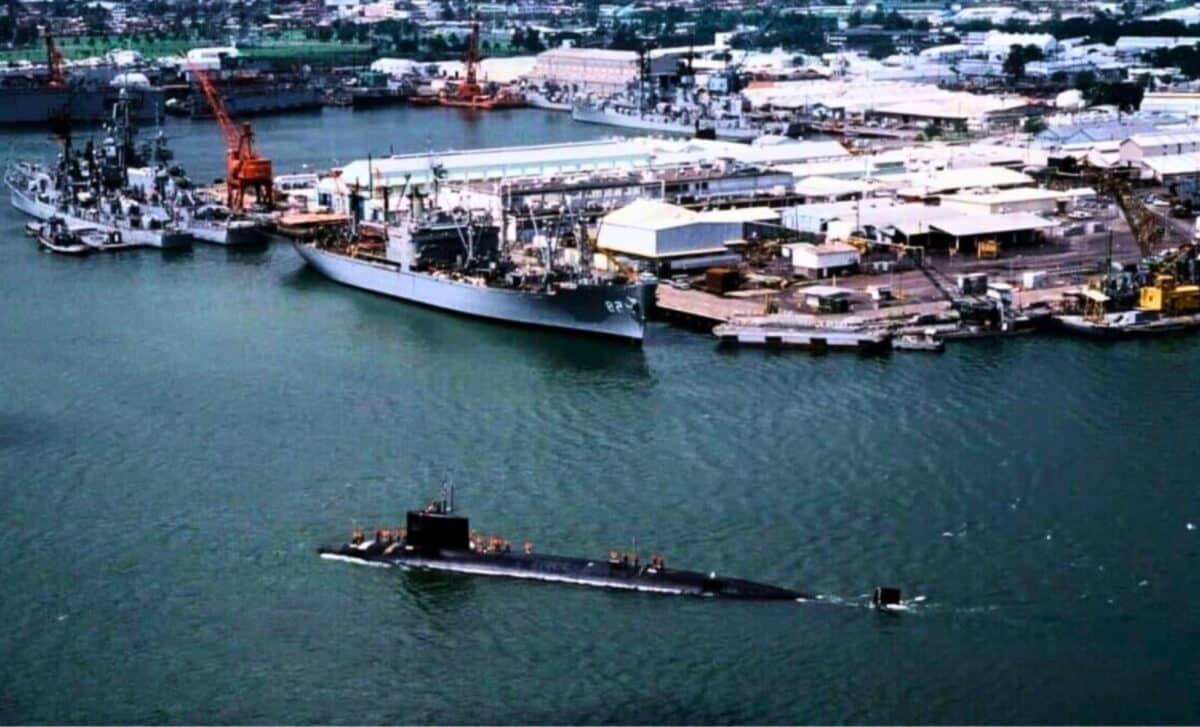
Subic Bay is undergoing a significant transformation, blending industrial revival with defense logistics. Once a bustling U.S. naval base, the area has shifted to commercial use and is now re-emerging as a strategic hub for shipbuilding and military operations. Following a corporate collapse that left the region dormant, international investments are breathing new life into one of Southeast Asia’s largest shipyards, while U.S. forces establish a logistics presence in the area.
Agila Subic Restarts Industrial Production
The revival of Subic Bay’s industrial complex began after the 2019 bankruptcy of Hanjin Heavy Industries Philippines, which halted operations at a shipyard capable of constructing some of the world’s largest vessels. The closure resulted in thousands of job losses and raised concerns about the future of this vital industrial asset. In September 2025, the facility reopened as Agila Subic, backed by South Korea’s HD Hyundai Heavy Industries and U.S. firm Cerberus Capital Management. This reopening is seen as a significant step towards economic recovery for the Philippines.
Agila Subic aims to rebuild its workforce and expand production capacity, with executives outlining plans to secure new commercial contracts. The shipyard, which features one of the region’s largest dry docks, is strategically located within the Subic Bay Freeport Zone, a special economic area focused on export-driven industries. The existing infrastructure, including fabrication halls and port access, remained intact during the shutdown, allowing for a quicker restart of operations.
The involvement of South Korean and American firms not only enhances technological and manufacturing capabilities but also emphasizes job creation and economic growth in the region. Philippine officials have highlighted the importance of this revival, which is expected to have significant implications for both the local economy and national security.
U.S. Marines Secure Logistics Hub
In addition to industrial activities, the U.S. Marine Corps has established a logistics hub within the former naval base. They have leased a 57,000 square foot warehouse that was previously used as a supply depot. This facility will store equipment and supplies to support rotational deployments across the western Pacific. The arrangement is part of the Enhanced Defense Cooperation Agreement, which allows U.S. forces to utilize designated Philippine sites for storage and training without establishing permanent bases.
As part of ongoing defense cooperation, the U.S. House of Representatives has commissioned a feasibility study to explore the potential for ammunition production in the Indo-Pacific, with Subic Bay being considered as a possible site. While no official plans for a munitions plant have been confirmed, the combination of industrial capacity and logistical support has led some to speculate about the area’s future as a potential weapons hub.
Subic Bay’s strategic location facing the South China Sea, a critical corridor for global maritime trade, enhances its importance in regional security planning. The deep natural harbor and established port infrastructure make it adaptable for both commercial and military purposes. Philippine President Ferdinand Marcos Jr. has expressed support for expanded defense cooperation while emphasizing national sovereignty over the facilities, framing these developments as part of a broader modernization and economic renewal strategy.
As of early 2026, the operational status of Agila Subic, the U.S. Marine Corps’ warehouse lease, and the congressional feasibility study on ammunition production highlight the evolving role of Subic Bay in both industrial and defense sectors. However, no official designation has been made to classify it as an active weapons manufacturing center, reflecting a complex interplay of economic and security interests in the region.
