
U.S. Shipbuilding Faces Urgent Challenges
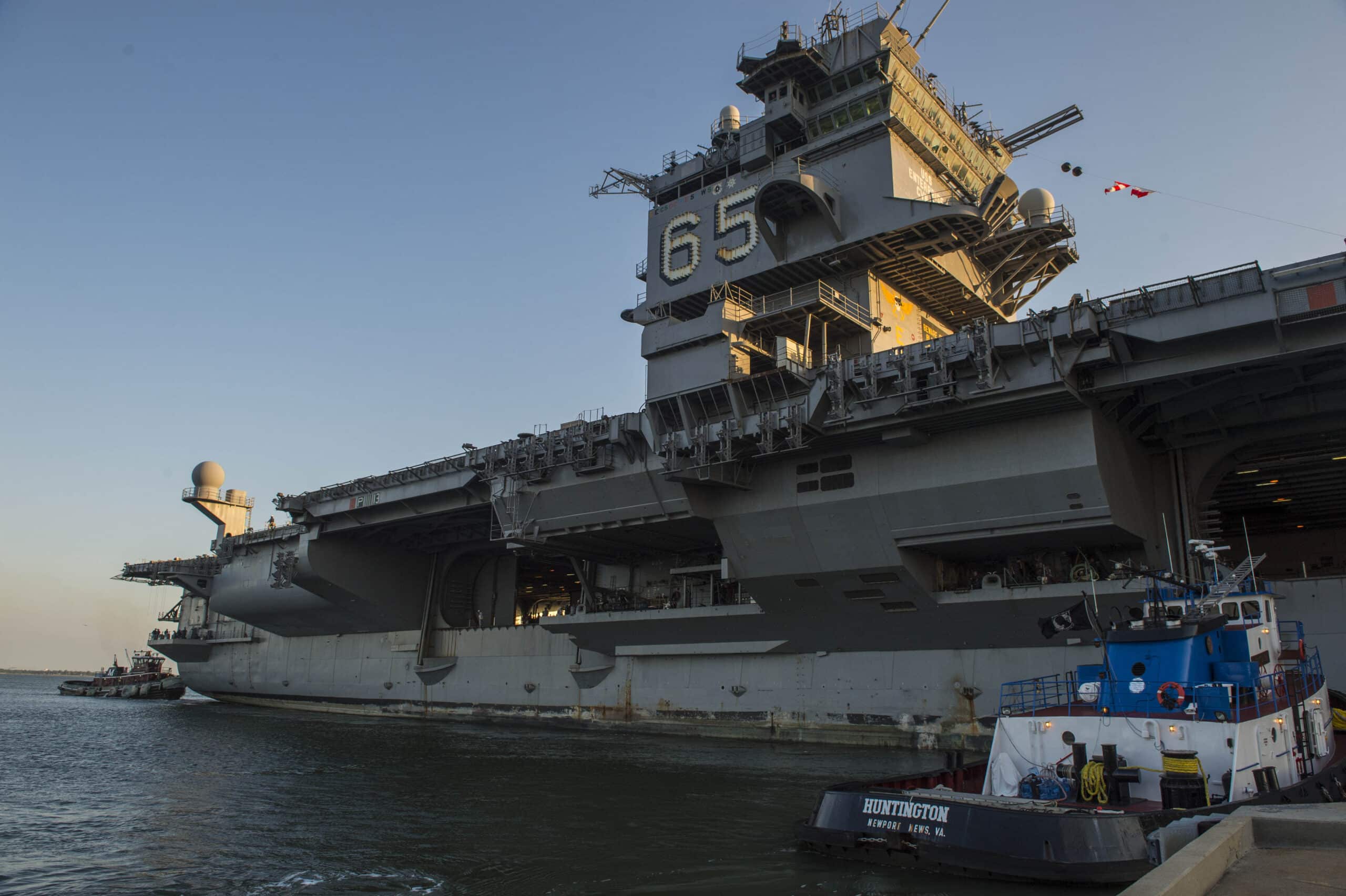
The U.S. shipbuilding industry is at a critical juncture, grappling with the dual pressures of increasing fleet size and operational demands. Despite the Trump administration’s push for a “Golden Fleet,” the current state of the Navy’s shipbuilding capabilities reveals significant obstacles. With the fleet at a historic low and facing competition from China, experts emphasize the need for a strategic overhaul to meet both current and future maritime challenges.
Current State of U.S. Shipbuilding
The U.S. Navy’s fleet has dwindled to just over 290 ships, a stark contrast to its peak of 594 vessels in 1987. This reduction has forced the Navy to operate at an unprecedented tempo, taking on more missions with fewer resources. As the demand for naval presence grows, particularly in the Indo-Pacific region, the Navy is stretched thin. The challenge is compounded by the fact that China has surpassed the U.S. in the number of battle force ships, raising concerns about American maritime dominance.
Shipbuilding in the U.S. is struggling to keep pace with these demands. The industry faces rising costs and extended construction timelines, leading to significant delays in delivering new vessels. Cost overruns are common, and the consolidation of shipyards over the past decades has left the industry with fewer builders capable of meeting the Navy’s needs. Furthermore, the shipbuilding workforce is shrinking, with many skilled workers retiring and not enough new talent entering the field. This situation is exacerbated by an aging infrastructure and a fragile supply chain, which hampers the ability to produce ships efficiently.
Strategic Solutions and Workforce Challenges
Addressing the shipbuilding crisis requires a multifaceted approach. Experts suggest that the Navy and Congress must provide consistent demand signals to the shipbuilding industry. This could involve adopting multi-year procurement contracts, which would offer stability and predictability for shipbuilders. Additionally, the Navy needs to focus on reducing construction times and ensuring that ships are delivered on schedule.
Video captures moment multimillion-dollar yacht collides with Royal Caribbean
Workforce development is another critical area that needs attention. The Maritime Industrial Base Program has highlighted the necessity of increasing the maritime workforce by over 250,000 workers in the next decade. However, many of the current workforce members lack the experience needed for complex shipbuilding tasks. Investments in training and recruitment are essential to build a skilled labor force capable of meeting the demands of modern shipbuilding.
Moreover, the U.S. must learn from international practices, particularly from countries like South Korea and Japan, which have successfully integrated advanced technologies and efficient production methods into their shipbuilding processes. By embracing innovation and collaboration with allies, the U.S. can enhance its shipbuilding capabilities and ensure that the Navy is prepared to meet future challenges.
The U.S. shipbuilding industry stands at a crossroads. With strategic investments and a commitment to workforce development, the nation can revitalize its maritime capabilities and secure its position as a leader in naval power.
