
UBC prof. troubled by local shipyard supporting U.S. military
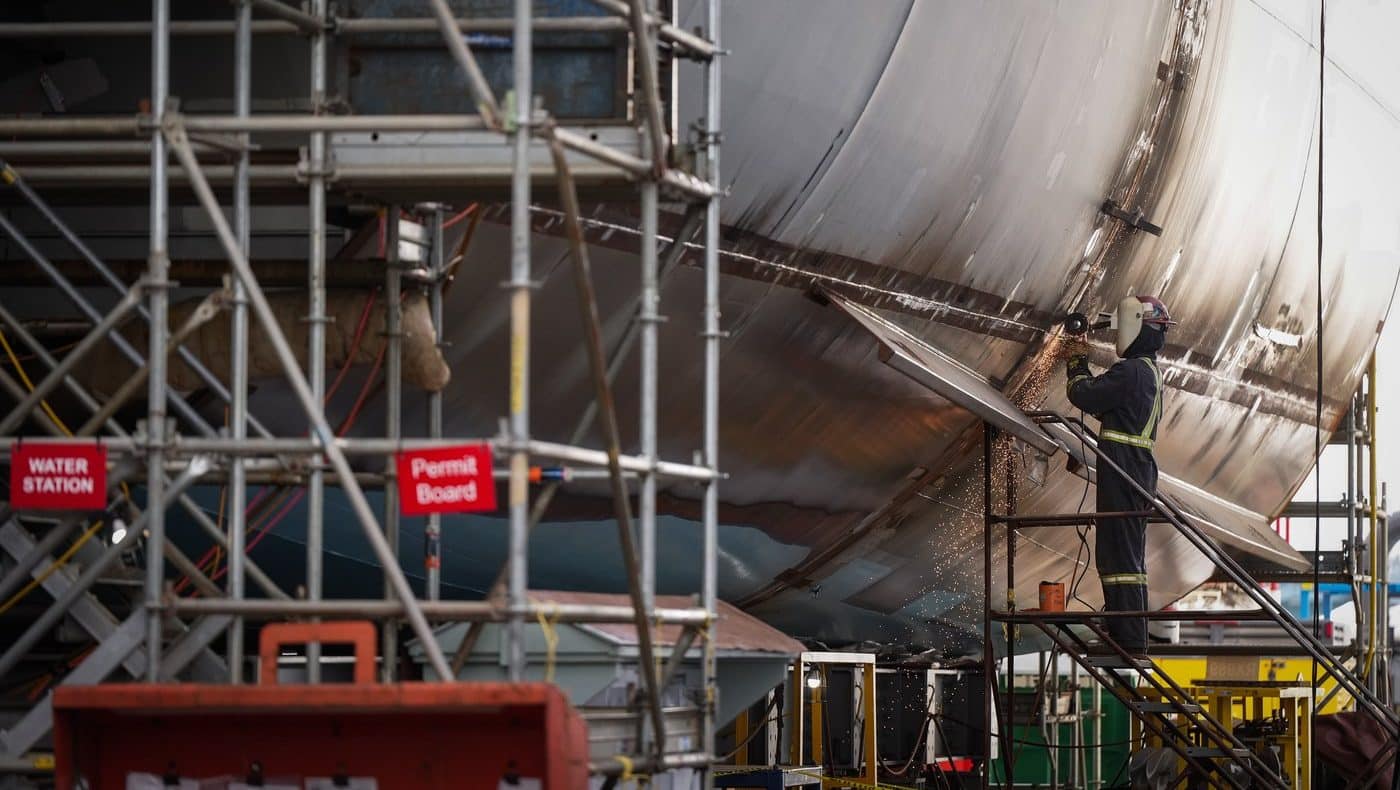
A Canadian shipbuilder, Seaspan, has entered a complex situation after selling blueprints for six multi-purpose ice-faring ships to the U.S. Department of Homeland Security. This deal comes at a time of heightened military activity in the Arctic Ocean, with the U.S. Coast Guard planning to integrate these vessels into its fleet over the next decade. The contract, signed on December 29, 2025, aligns with the White House’s objective to bolster American sovereignty and protect national interests in the region.
The decision to sell the designs, originally created for the Canadian Coast Guard, has raised eyebrows, especially following recent statements from former President Trump regarding increased U.S. presence in the Arctic. At the World Economic Forum on January 20, Canadian Prime Minister Mark Carney emphasized Canada’s commitment to NATO and the importance of securing its northern and western flanks, while also advocating for Greenland’s right to self-determination. Carney’s remarks suggest a shift away from reliance on larger powers for trade and security.
Seaspan’s spokesperson, David Hargreaves, maintains that Canada will still benefit from the deal. He asserts that the agreement contributes to Canadian security in the Arctic while also enhancing U.S. security. Hargreaves noted that the Canadian government is fully aware of the transaction, describing the situation as “super complicated.”
Economic Implications and Public Sentiment
While Seaspan promotes the economic potential of the contract, experts express skepticism about the benefits for Canada. Samuel Roscoe, an assistant professor at the UBC Sauder School of Business, argues that the primary beneficiary of the deal is the U.S. Coast Guard, which will receive the ships. He points out that the geopolitical climate, particularly threats to Canada’s sovereignty and the Arctic region, complicates the narrative surrounding the sale.
Hargreaves believes that the deal could lead to increased involvement of Canadian suppliers in the U.S. icebreaker program, potentially creating jobs and profits for Canadian firms. However, Roscoe questions the extent of these benefits, suggesting that the final assembly of the ships should ideally have taken place in Canada. He warns that public perception may turn negative, especially given the context of U.S. military claims regarding the ships’ role in defending American interests and securing critical shipping lanes.
Roscoe emphasizes that the Canadian public may not support sales to U.S. military operations, particularly in light of recent U.S. rhetoric surrounding Arctic defense. He urges the Canadian government to reconsider its decision-making process regarding such agreements, especially as Canada seeks to enhance its own military capabilities.
Future of Arctic Defense and Shipbuilding
The U.S. Coast Guard plans to launch its first home-built icebreaker in 2029, marking a significant step in its Arctic strategy. As the geopolitical landscape evolves, the implications of Seaspan’s contract will likely continue to be scrutinized. Public backlash could influence future decisions regarding military contracts and international cooperation in defense.
As Canada navigates its relationship with the U.S. and its own security needs, the Seaspan deal serves as a focal point for discussions about national sovereignty, economic independence, and the complexities of military partnerships. The outcome of this situation remains uncertain, but it underscores the intricate balance between collaboration and competition in the Arctic region.
