
UK Launches Maritime Nuclear Consortium to Decarbonise Shipping
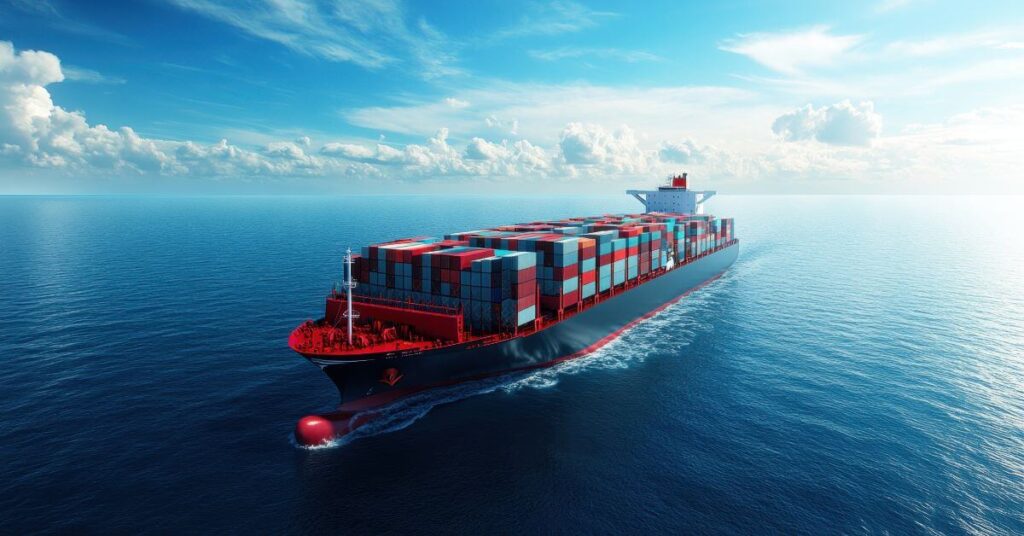
The United Kingdom is taking a significant step towards leading the global decarbonisation of shipping with the establishment of the Maritime Nuclear Consortium. Convened by Lloyd’s Register (LR), this consortium brings together experts from the nuclear, maritime, insurance, and regulatory sectors. Its primary goal is to set international standards for the safe, secure, and commercially viable operation of nuclear-powered ships.
Maritime nuclear power is recognized as a safe and advanced energy source capable of addressing one of the most pressing challenges in the energy transition. The next generation of advanced modular reactors (AMRs) will enable ships to operate for years without the need for refuelling, all while producing zero carbon emissions. This technology allows vessels to maintain full operational speed without compromising on emissions standards, a significant advantage over traditional fuel sources.
The consortium’s core members include prominent organizations such as Rolls-Royce, Babcock International Group, Global Nuclear Security Partners, Stephenson Harwood, and NorthStandard. Each member brings unique expertise, from reactor design to legal and regulatory frameworks, ensuring a comprehensive approach to the development of nuclear shipping.
Strategic Importance of Maritime Nuclear Power
The UK has a rich history of maritime innovation and is well-positioned to support the safe integration of nuclear power into shipping. With a robust regulatory framework, world-class engineering capabilities, and extensive naval nuclear experience, the UK has the credibility to shape international standards from the outset. The country offers a complete ecosystem for nuclear shipping, encompassing design, regulation, finance, and insurance.
However, the opportunity for the UK to lead in this field is time-sensitive. Other nations are rapidly advancing their own standards and technologies. Without coordinated action, the UK risks losing its chance to define the rules, create high-skilled jobs, and establish a global supply chain in maritime nuclear power.
The consortium’s initial program aims to demonstrate a Statement of Design Acceptability (SODA) for a generic, site-licensed advanced modular reactor. It will also develop a class certification framework that integrates nuclear and maritime regulations, define security and safeguards architecture, and establish pathways for insurability of nuclear-powered vessels. Additionally, the consortium plans to publish guidance for industry and government to facilitate the safe adoption of this technology.
Nick Brown, CEO of Lloyd’s Register, emphasized the importance of decarbonisation, stating, “Nuclear is ready to meet that test.” He noted that the successful implementation of nuclear power in commercial shipping could lead to job creation in British shipyards and new business opportunities in the financial sector.
Collaborative Efforts to Shape the Future of Shipping
The Maritime Nuclear Consortium represents a multi-sector collaboration aimed at positioning the UK as a leader in the development of nuclear-powered vessels. Jake Thompson, Director of Rolls-Royce Advanced Modular Reactors, highlighted the importance of this collaboration in establishing a future international code for nuclear-powered vessels. He noted that Rolls-Royce possesses the necessary lifecycle experience to deliver advanced nuclear technologies.
Insurance also plays a crucial role in fostering confidence in new technologies. Mike Salthouse, Head of External Affairs at NorthStandard, stated that their expertise in risk assessment and regulatory compliance would help the industry explore innovative applications for civil nuclear marine technology.
The consortium is committed to ensuring that safety, security, and safeguards are prioritized from the beginning. Nick Tomkinson, Senior Partner at Global Nuclear Security Partners, emphasized the need for alignment between maritime and nuclear frameworks to build confidence among regulators and the public.
Trade deal could open U.S. market for Korean nuclear industry
With over 700 marine nuclear reactors currently in operation in naval fleets worldwide, the challenge lies in adapting this technology for commercial use. The UK aims to lead the way in developing maritime nuclear power, contributing to a net-zero ocean economy and securing its maritime leadership for the future.
