
UMaine Researchers Forge Aquaculture Ties in Mexico
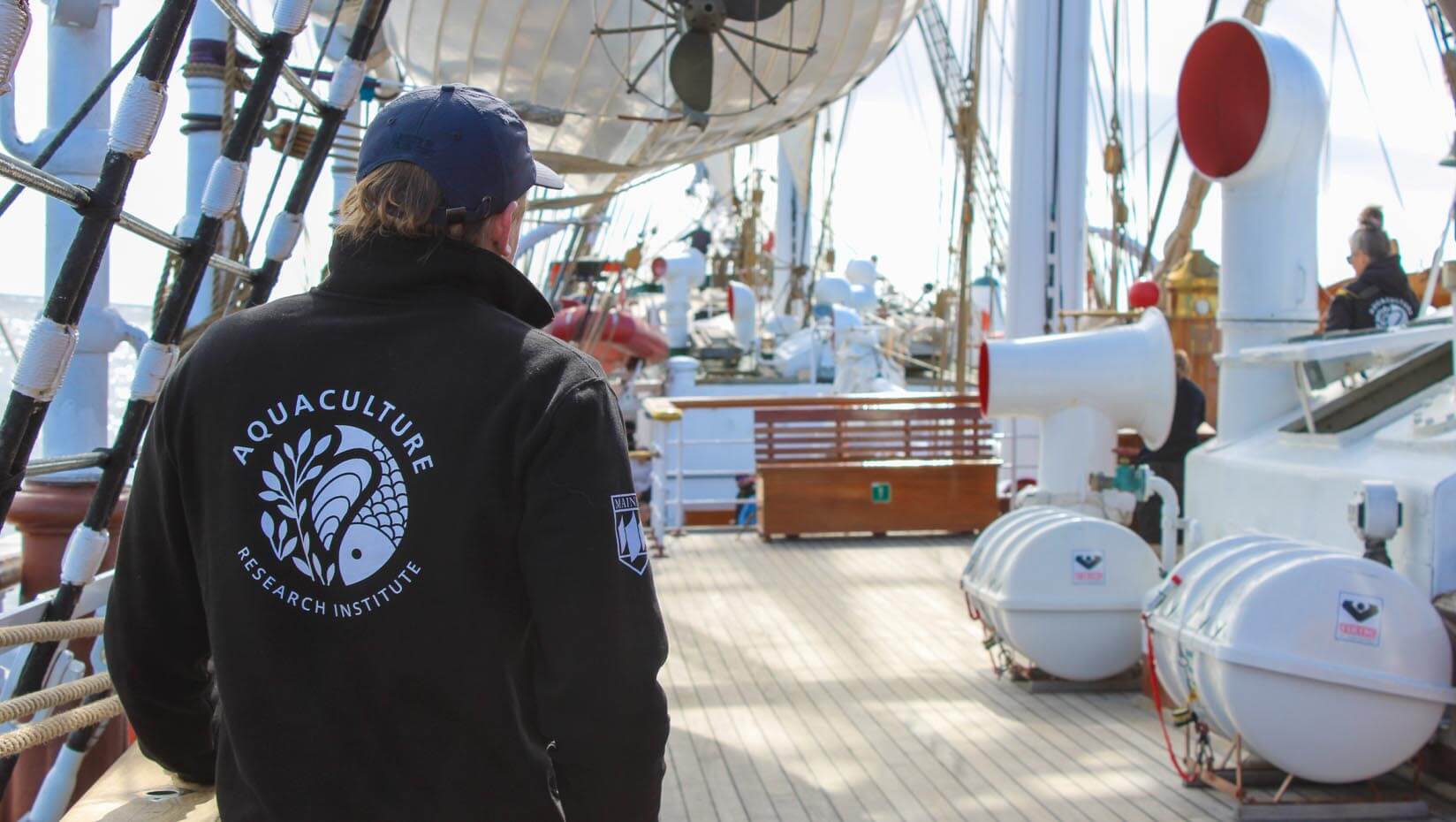
Two researchers from the University of Maine’s Aquaculture Research Institute (ARI) embarked on a significant journey aboard a Norwegian tall ship as part of the One Ocean Expedition. Their mission was to collaborate with Innovaciones Alumbra, a regenerative aquaculture innovation hub in La Paz, Mexico. Representing the Northeastern U.S., Damian Brady and Meggan Dwyer aim to merge Maine’s cold-water aquaculture expertise with innovative practices in warm-water systems.
Strengthening Aquaculture Collaboration
During their voyage, Brady, a professor of oceanography, and Dwyer, the associate director of ARI, engaged with Innovaciones Alumbra, which is focused on advancing sustainable aquaculture practices in Baja California Sur and beyond. Their discussions centered around the newly established Center for Applied Aquaculture Innovation (CAAI) in La Paz, which serves as a hub for community-centered aquaculture initiatives.
UMaine’s strengths in cold-water aquaculture, workforce development, and coastal resilience complement CAAI’s mission. The collaboration aims to share infrastructure, curriculum, and real-time data, enhancing both regions’ aquaculture capabilities. Brady expressed optimism about the partnership, stating, “We see tremendous potential in connecting Maine’s cold water systems with the warm water innovations happening in La Paz.” This synergy could lead to joint research projects, student exchanges, and decision-support tools that help aquaculture producers adapt to changing ocean conditions.
Furthermore, the collaboration will explore the integration of monitoring and decision-support systems across regions. By utilizing recirculating aquaculture technologies from Innovasea, based in Belfast, the two hubs can facilitate virtual courses, analyze farm conditions side-by-side, and coordinate research projects despite geographical distances. The researchers also discussed the use of satellite imagery and mapping tools to assist farmers in site selection and management, addressing shared challenges faced by coastal communities in both Maine and Mexico.
Building a Transnational Network
This emerging partnership is part of a broader initiative by UMaine ARI to establish a transnational network in regenerative aquaculture. The collaboration is expected to enhance opportunities for students, communities, and industry partners to engage in innovative aquaculture practices. A key component of this initiative is the Sustainable Aquaculture Workforce and Innovation Center (SAWIC), currently under construction in Orono, which will focus on training Maine’s aquaculture workforce and supporting blue economy innovations.
In addition to the SAWIC, the renovation of the Darling Marine Center shellfish hatchery and the AquEOUS program, which integrates marine and land-based aquaculture with cultural and ecological knowledge, are set to create new avenues for research and training. To further support these activities, UMaine has secured funding for a pilot program that will facilitate student exchanges between Maine and La Paz. This initiative aims to foster projects that link warm and cold-water aquaculture systems, promoting scientific training and cross-cultural learning.
As UMaine continues to shape global conversations around regenerative aquaculture, this collaboration not only enhances research opportunities but also strengthens international ties, paving the way for resilient aquaculture futures in both regions.
