
Understanding Bruises: Causes and Care
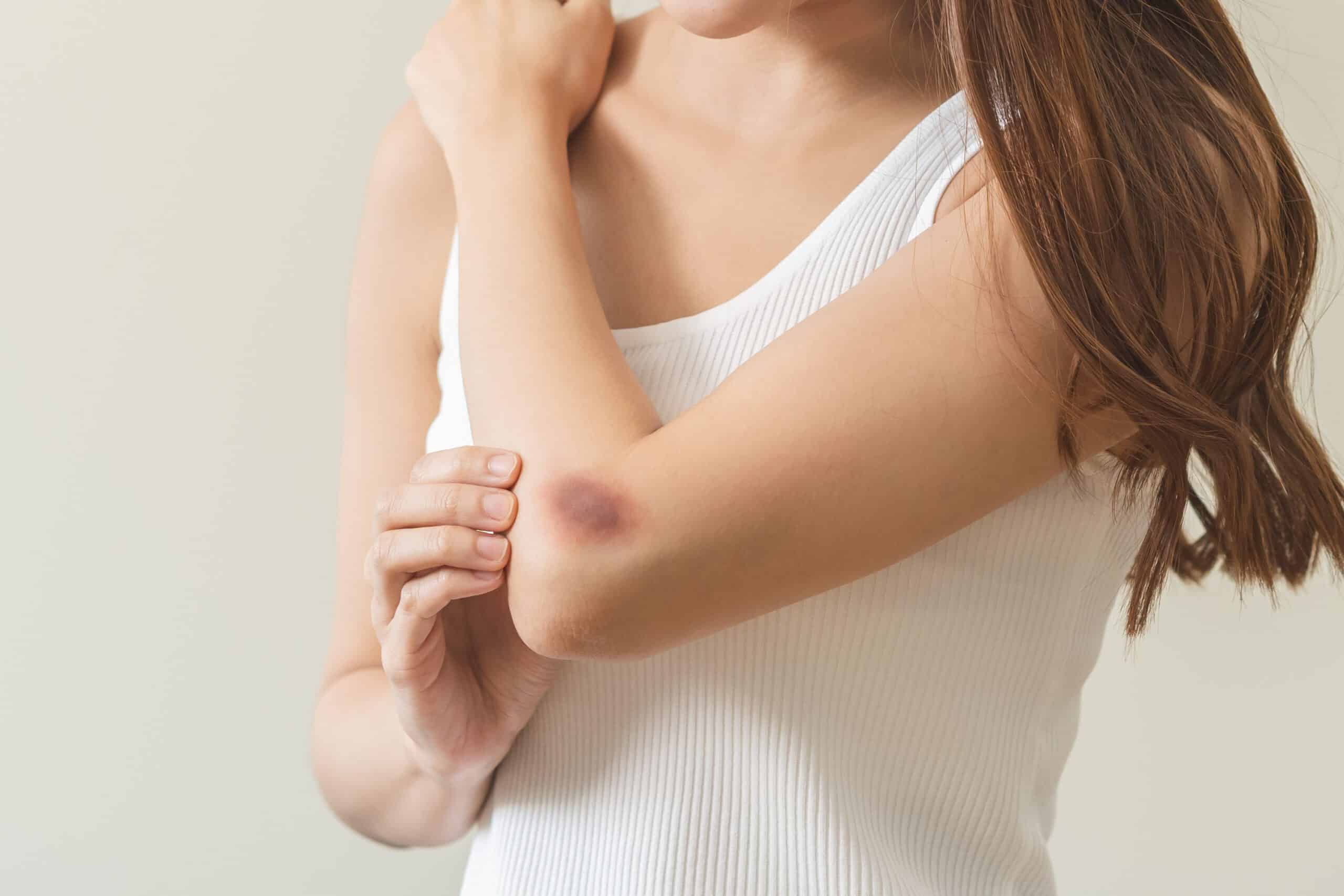
Bruises can be a painful reminder of an injury, often appearing without a clear memory of how they occurred. These unsightly marks prompt questions from friends and family, leaving many wondering about their origins and healing processes. This article delves into what bruises are, their stages of healing, and when to seek medical attention.
What Exactly Is a Bruise?
A bruise, medically known as ecchymosis, is a skin discoloration resulting from damaged blood vessels beneath the surface. According to the Cleveland Clinic, these vessels can rupture due to various forms of physical trauma, such as bumping into furniture, kneeling on hard surfaces, or even muscle tears. The severity of bruises can vary, influencing both pain levels and healing times.
Bruises are categorized similarly to burns, with three degrees of severity:
-
- First-degree: These minor bruises cause minimal swelling and pain. Often, individuals may not recall the incident that caused them, as they result from minor impacts, like lightly bumping an ankle against a wall.
-
- Second-degree: These bruises are more intense, leading to increased pain, swelling, and tenderness. They may occur from sports injuries or more significant impacts.
-
- Third-degree: This type results in severe pain, noticeable discoloration, and potential loss of movement.
Bruise Colors and Healing Stages
The color of a bruise can provide insight into its healing stage, helping individuals gauge recovery time and determine if medical attention is necessary. Medical News Today outlines the typical progression of bruise colors:
-
- Red: In the first 24 hours post-injury, damaged capillaries leak blood, causing inflammation and tenderness.
-
- Black, blue, or purple: Within the first two days, the bruise darkens as the blood loses oxygen. Swelling and tenderness may decrease by days three or four.
-
- Yellow or green: After five to 14 days, as the body breaks down hemoglobin, the bruise begins to fade, showing yellow or greenish hues.
Understanding these stages can help individuals monitor their bruises and decide when to consult a healthcare professional.
Ecospray: liquefy CO2 captured from the sea to heal the climate
Types of Bruises and When to Seek Help
While most bruises are harmless, there are different types that vary in severity and cause. The average person experiences around 4,000 bruises, cuts, and scrapes throughout their lifetime, according to a survey by Talker Research for Curad. Here are some notable types:
-
- Bone contusion: This occurs when the bone’s inner structure is damaged, often due to sports injuries or falls, leading to pain and swelling.
-
- Hematoma: A more severe condition where blood pools in an area, often resulting from significant trauma. Symptoms include warmth, intense swelling, and pain.
-
- Internal bruising: This type affects muscles or organs and can range from minor to serious injuries requiring medical attention.
While bruises are generally not a cause for concern, it is advisable to consult a doctor if you experience frequent unexplained bruising, persistent pain, or if a bruise does not improve within two weeks. These could be signs of underlying health issues, such as bleeding disorders or fractures. Always seek medical advice if you have questions about your bruising.
