
Unusual Maritime Activity Detected Near Iranian Coast
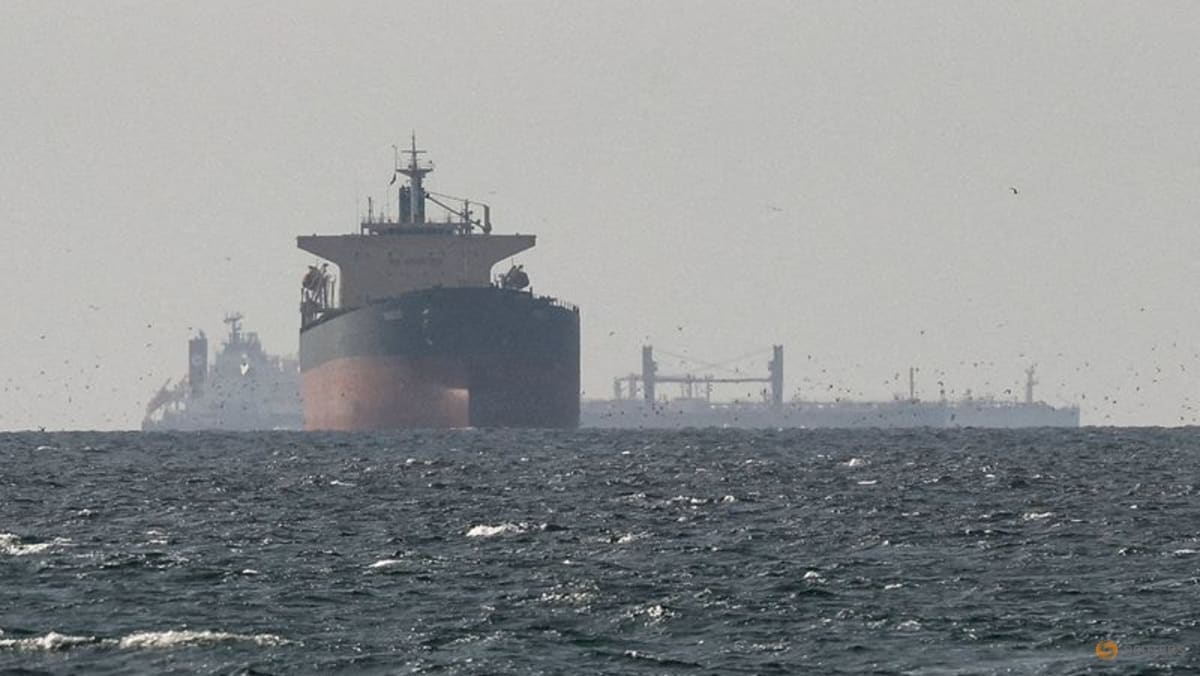
JPMorgan commodities analyst Natasha Kaneva reported on Monday that at least four ships have been observed leaving the Strait of Hormuz through the Larak-Qeshm Channel, located near the Iranian coast. This unusual maritime activity occurred over the past two days and raises questions about the vessels’ ownership and cargo. Kaneva noted that this route is not typically used by commercial vessels, suggesting a deliberate process to verify the ships’ identities and cargoes. This maneuver may facilitate the passage of vessels that do not have affiliations with the United States or its allies.
Among the ships tracked was a bulk carrier and an oil tanker, specifically the Karachi, which flies the Pakistani flag. The Karachi’s transit through the strait was particularly noteworthy as it operated with its automatic transponder system activated. Most vessels in the region typically keep their transponders turned off to avoid detection and potential targeting. This decision by the Karachi could indicate a strategic choice to signal its presence or legitimacy in a sensitive maritime environment.
Implications of the Ships’ Movements
The movement of these vessels through the Larak-Qeshm Channel could have significant implications for maritime security and international trade. The Strait of Hormuz is a critical chokepoint for global oil shipments, with a substantial percentage of the world’s oil passing through this narrow waterway. The presence of ships using non-standard routes may indicate a shift in shipping patterns, possibly in response to geopolitical tensions in the region.
Singapore Tests Advanced Oil Spill Response Technologies To Improve Incident Management
Kaneva’s analysis suggests that the vessels’ movements might be part of a broader strategy to navigate around potential sanctions or restrictions imposed by the U.S. and its allies. By confirming vessel ownership and cargo, these ships could be attempting to establish legitimacy and ensure safe passage through a region fraught with risks. The activation of the Karachi’s transponder further complicates the situation, as it contrasts with the typical practice of vessels in the area, which often seek to minimize their visibility.
As the situation develops, maritime analysts and stakeholders in the shipping industry will be closely monitoring these movements. The implications for trade routes and regional security could be profound, especially if more vessels begin to adopt similar tactics in response to the evolving geopolitical landscape.
